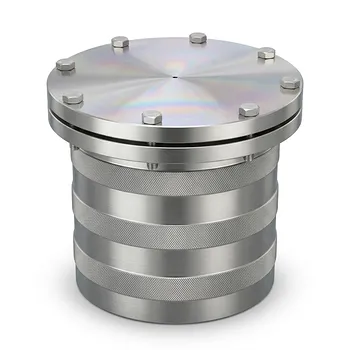
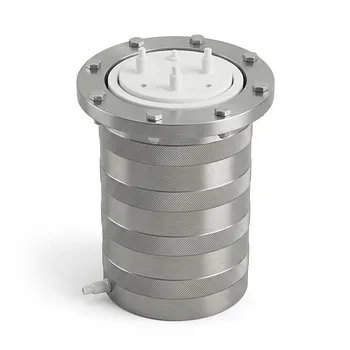
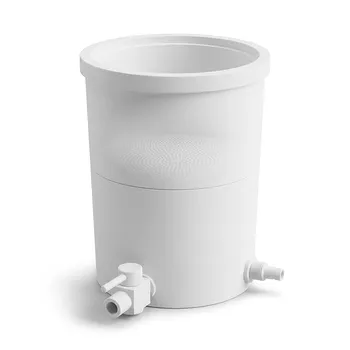
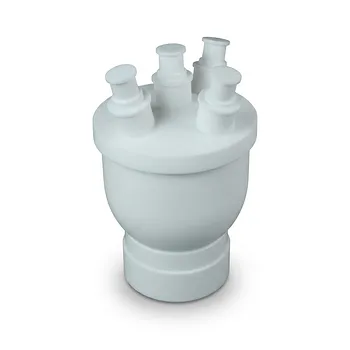
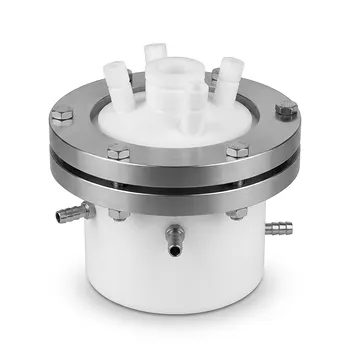
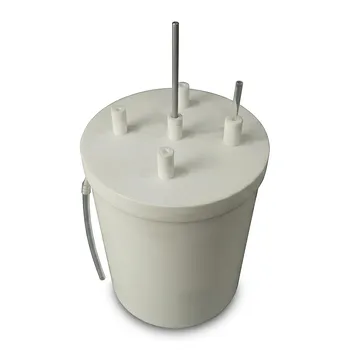
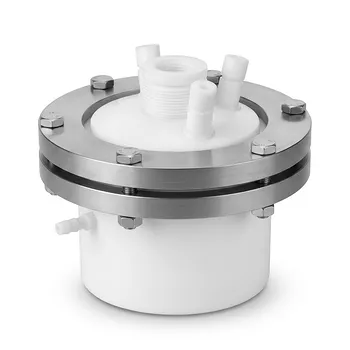
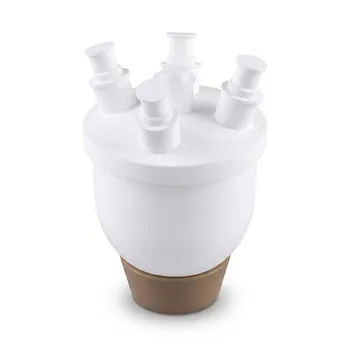
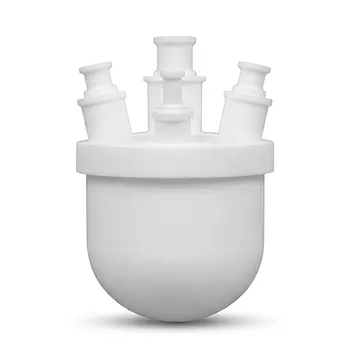
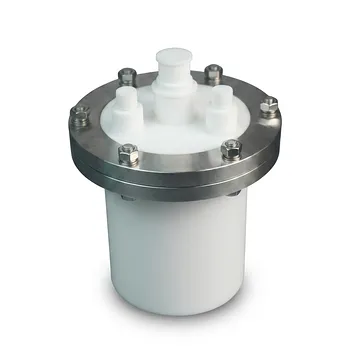
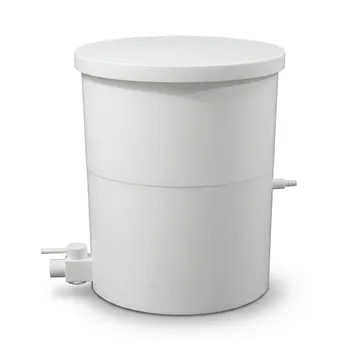
Stainless steel reactors lined with Polytetrafluoroethylene (PTFE) are used in sludge thermal hydrolysis because they provide a dual-layered defense against high-pressure mechanical stress and aggressive chemical corrosion. This specific configuration ensures that the complex organic acids found in sludge do not degrade the reactor walls, while simultaneously preventing metal ions from leaching into the sample. By maintaining a chemically inert environment, these reactors allow for the precise quantitative analysis of carbohydrates and proteins essential for process monitoring.
Core Takeaway: The combination of a stainless steel outer shell for structural integrity and a PTFE liner for chemical isolation is critical for conducting high-temperature sludge hydrolysis without compromising the purity of the sample or the lifespan of the equipment.
Ensuring Chemical Isolation and Structural Integrity
Protection Against Corrosive Sludge Components
Sludge contains a complex mixture of organic substances and acidic components that can be highly aggressive toward metal surfaces. The PTFE lining acts as a total barrier, preventing these substances from reacting with the underlying stainless steel.
Mechanical Strength for High-Pressure Environments
Thermal hydrolysis processes (THP) require significant internal pressure, often generated as autogenous pressure during heating. The stainless steel outer shell provides the necessary mechanical strength to contain these pressures, which a standalone plastic vessel could not withstand.
Synergy of the Two Materials
By nesting a PTFE liner within a steel autoclave, engineers utilize the chemical stability of fluoropolymers alongside the physical durability of metal. This hybrid approach allows for safe operation at temperatures like 121°C to 200°C over extended durations.
Preserving Analytical Accuracy
Prevention of Metal Ion Leaching
At high temperatures, untreated stainless steel can release trace metal ions into the sludge mixture. The PTFE liner eliminates this risk, ensuring a pure reaction environment where no external elements interfere with the sludge's chemical composition.
Accuracy in Carbohydrate and Protein Quantification
A primary goal of sludge THP is often the analysis of released nutrients; metal contamination can catalyze side reactions or interfere with reagents. Using a PTFE liner is essential for obtaining accurate quantitative data on proteins and carbohydrates after the hydrolysis process.
Non-Stick Surface for High Yield
The low surface energy of PTFE prevents organic matter and biomass from adhering to the reactor walls. This non-stick property ensures that the maximum amount of processed sludge is recovered for testing and reduces the risk of cross-contamination between batches.
Understanding the Trade-offs
Thermal Conductivity Limitations
PTFE is an effective thermal insulator, which means it slows the transfer of heat from the reactor's heating element to the sludge. This requires longer heating cycles or more precise temperature control compared to unlined metal reactors.
Temperature and Pressure Ceilings
While PTFE is robust, it has a functional temperature limit, typically around 250°C, after which it may begin to soften or release toxic fumes. Operators must carefully monitor the internal environment to ensure the liner does not exceed its structural limits under pressure.
Differential Expansion Risks
Stainless steel and PTFE expand at different rates when heated, which can lead to the liner warping or cracking over many cycles. Regular inspection of the liner's integrity is necessary to prevent "hidden" corrosion occurring between the liner and the steel wall.
How to Apply This to Your Project
Making the Right Choice for Your Goal
- If your primary focus is analytical precision: A PTFE liner is non-negotiable to prevent metal ion interference with carbohydrate and protein assays.
- If your primary focus is equipment longevity: The liner is essential for protecting the expensive stainless steel autoclave from the corrosive precursors and acidic fluids inherent in sludge processing.
- If your primary focus is high-temperature synthesis (above 250°C): You may need to investigate alternative liners, such as PFA or specialized alloys, as standard PTFE may reach its thermal limit.
The strategic use of PTFE-lined reactors transforms a standard pressure vessel into a high-precision instrument capable of surviving the harshest hydrothermal conditions.
Summary Table:
| Feature | Component | Benefit to Sludge THP |
|---|---|---|
| Structural Strength | Stainless Steel Shell | Withstands high autogenous pressures during heating |
| Chemical Resistance | PTFE Liner | Protects reactor from aggressive organic acids and corrosion |
| Sample Purity | PTFE Liner | Prevents metal ion leaching for accurate nutrient analysis |
| Ease of Recovery | Low Surface Energy | Non-stick surface ensures high yield and easy cleaning |
| Operating Range | Hybrid System | Safe operation for hydrothermal synthesis up to 250°C |
Elevate Your Sludge Research with KINTEK’s Fluoropolymer Expertise
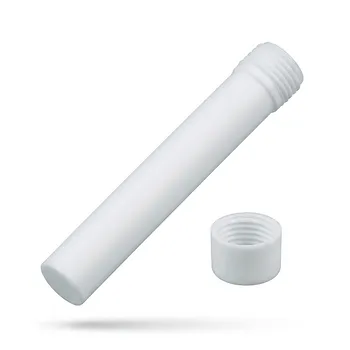
Don't let corrosion or contamination compromise your research results. KINTEK specializes in high-performance PTFE and PFA laboratory supplies designed for the harshest hydrothermal environments. From everyday basic labware like digestion tubes, beakers, and reagent bottles to complex PTFE-lined reactors and custom CNC-machined components, we provide the dual-layered defense your processes demand.
Our comprehensive range includes:
- Sample Prep & Filtration: Separatory funnels, filters, and high-purity trace analysis tools.
- Fluid Transfer: Specialized tubing, fittings, and valves for aggressive chemicals.
- Advanced Apparatus: Custom electrochemical cells, microwave digestion vessels, and microchannel reactors.
Whether you require high-volume consumables or a bespoke laboratory setup, KINTEK’s end-to-end fabrication ensures absolute precision. Contact us today to optimize your lab's performance!
References
- Hu B, Wong TP. Formation of Carbohydrates, Proteins and Melanoidins during LowTemperature Thermal Hydrolysis of Primary and Secondary Sewage Sludge. DOI: 10.16966/2381-5299.170
This article is also based on technical information from Kintek Knowledge Base .
Related Products
- Custom TFM Reaction Vessel with Stainless Steel Jacket and PTFE Inner Cup for High Corrosion Resistance
- High Pressure Custom TFM Reactor Stainless Steel Outer Vessel PTFE Inner Cup for Corrosive Synthesis
- Large Scale PTFE Double Layer Reaction Tank with Integrated Filter Plate for Chemical Processing
- Customizable Polytetrafluoroethylene PTFE Reactor and Corrosion Resistant Teflon Flask
- Custom PTFE Reaction System with Hose Barb Fittings Corrosion Resistant High Sealing 2L 4L Lab Reactor with Separatory Funnel
People Also Ask
- Why are high-performance pressure-resistant reaction vessels required for oxygen-assisted hydrothermal conversion at 150 °C?
- Why are high-quality fluoropolymer-lined reaction vessels required for alk-Ti3C2Tx MXene? Ensure Purity & HF Resistance
- How do magnetic stirring and reaction vessels impact MOF-derived carbon quality? Optimize Your Composite Performance
- Why are PTFE-lined reaction vessels necessary for forced degradation studies? Ensure high-purity results and accuracy.
- Why is a high-purity PTFE lined reaction vessel required for the acidic etching of MXenes? Ensure Material Purity.