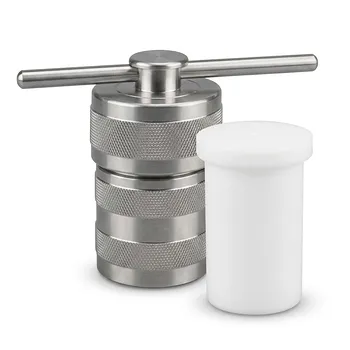
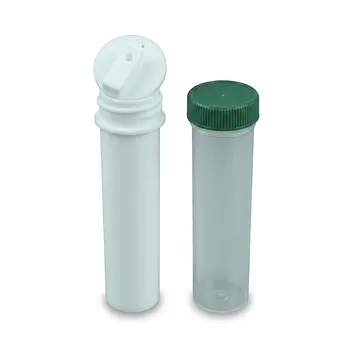
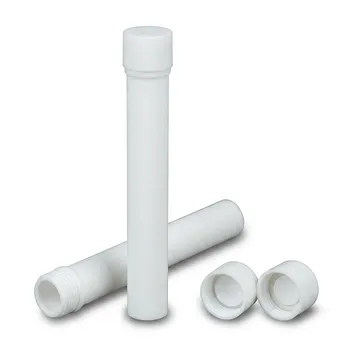
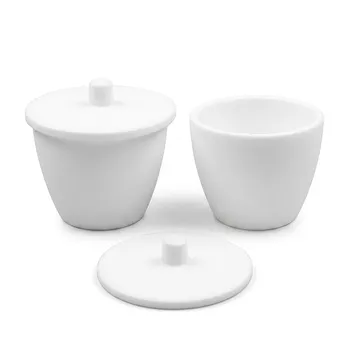
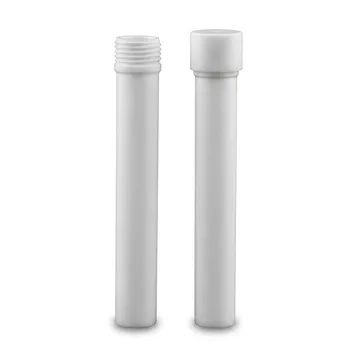
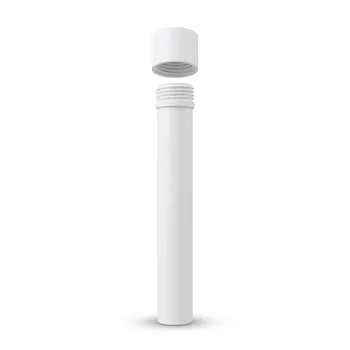
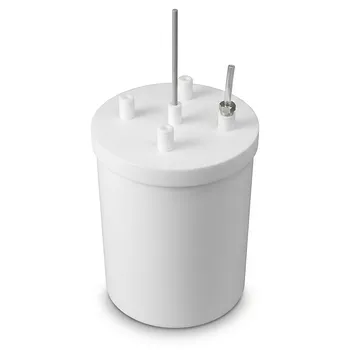
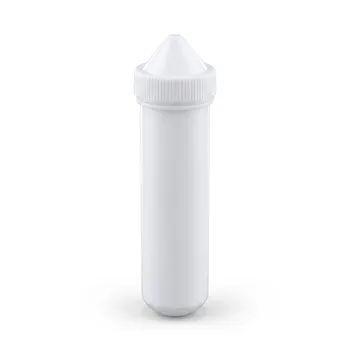
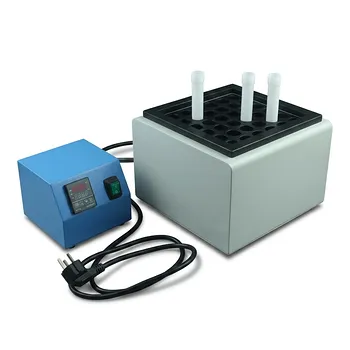
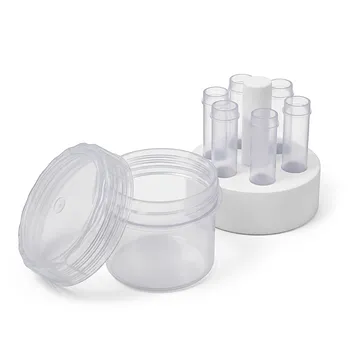
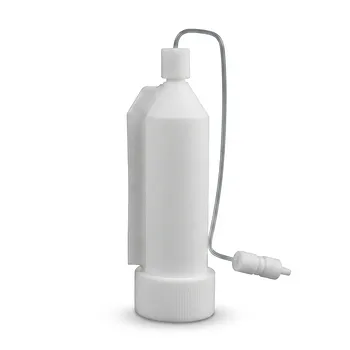
PTFE-lined high-pressure vessels are mandatory because the synthesis of La(OH)₂Cl requires a combination of high-concentration hydrochloric acid and sustained temperatures of 220 °C for 72 hours. This specific environment would rapidly corrode standard metallic containers and fail to maintain the necessary internal pressure for the reaction to occur safely and effectively.
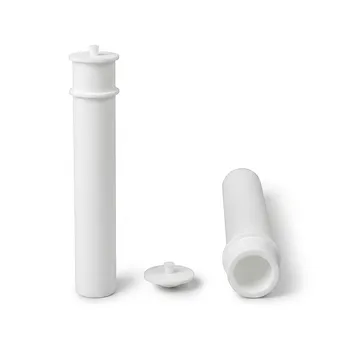
The use of Polytetrafluoroethylene (PTFE) liners provides a dual-layer defense: the chemically inert inner liner protects the sample from contamination and the vessel from corrosion, while the robust outer shell manages the intense physical stress of the hydrothermal process.
Chemical Resilience Against Mineral Acids
Protection Against Hydrochloric Acid Corrosion
The synthesis of La(OH)₂Cl relies on high concentrations of hydrochloric acid (HCl). At the required temperature of 220 °C, HCl becomes extremely aggressive and will quickly degrade stainless steel or other metallic alloys.
Prevention of Metallic Impurities
A primary concern in high-pressure synthesis is the leaching of metal ions from the vessel walls into the reaction mixture. The PTFE liner acts as an absolute barrier, ensuring that no iron, chromium, or nickel impurities interfere with the formation or purity of the La(OH)₂Cl crystals.
Maintenance of Reagent Concentrations
The sealed nature of the PTFE liner prevents the evaporation of the acid solution. By maintaining a constant concentration of hydroxide and chloride ions, the vessel ensures the chemical environment remains stable throughout the 72-hour duration.
Structural Integrity Under Thermal Stress
Managing High-Pressure Environments
Hydrothermal reactions generate significant internal pressure as solvents are heated far beyond their boiling points. The PTFE-lined vessel is designed to safely contain this pressure, which is essential for promoting the transformation of reagents into the desired crystalline structures.
Withstanding Sustained Heat
The synthesis requires a temperature of 220 °C for a period of three days. PTFE is one of the few polymers capable of maintaining its chemical stability and non-stick properties under such prolonged thermal stress without deforming or reacting with the sample.
Ensuring a Leak-Proof Seal
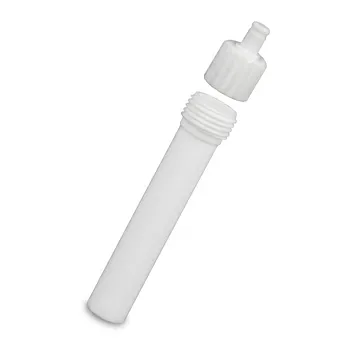
PTFE liners are often paired with specialized caps that provide a reliable seal. This prevents the leakage of hazardous acidic vapors into the laboratory environment and protects the integrity of the high-pressure micro-environment.
Understanding the Trade-offs
Temperature Limitations
While PTFE is highly resistant, it has a functional ceiling; it typically begins to soften or undergo "creep" if temperatures exceed 250 °C. For reactions requiring heat beyond this point, alternative liners like PFA or even gold/platinum may be required.
Pressure Risks and Safety
If the vessel is overfilled or the temperature rises too quickly, the internal pressure can exceed the bursting strength of the outer shell. Proper filling ratios (usually 60-80% of total volume) are critical to prevent catastrophic equipment failure.
Potential for Memory Effects
PTFE can be porous at a microscopic level, meaning trace amounts of reagents from previous experiments can sometimes be trapped in the liner. Rigorous cleaning protocols are necessary to prevent cross-contamination between different batches of La(OH)₂Cl.
Making the Right Choice for Your Goal
How to Apply This to Your Project
- If your primary focus is high-purity crystal growth: Use a new or specialized high-density PTFE liner to ensure zero metallic contamination from the vessel walls.
- If your primary focus is laboratory safety: Ensure the outer stainless steel shell is regularly inspected for stress fractures or "pitting" that may occur if the liner ever fails.
- If your primary focus is cost-efficiency: Invest in high-quality PTFE liners that can be reused across multiple 72-hour cycles, provided they are cleaned with concentrated acid between uses.
By utilizing the unique synergy between a PTFE liner and a pressure-bearing shell, researchers can safely navigate the extreme chemical and physical demands required to synthesize La(OH)₂Cl.
Summary Table:
| Feature | Specification for La(OH)₂Cl | PTFE Benefit |
|---|---|---|
| Temperature | 220 °C for 72 hours | Stable up to 250 °C without deformation |
| Chemical Environment | High-concentration HCl | Chemically inert; prevents vessel corrosion |
| Pressure Support | Sustained hydrothermal pressure | Reliable sealing to prevent hazardous leaks |
| Purity Control | Trace-level sensitivity | Absolute barrier against metallic leaching |
Elevate your hydrothermal synthesis with KINTEK’s high-performance fluoropolymer solutions. Whether you are growing high-purity La(OH)₂Cl crystals or performing trace analysis, our PTFE and PFA lined digestion vessels provide the ultimate defense against aggressive mineral acids and extreme thermal stress. From everyday labware and fluid transfer components (tubing, valves, fittings) to advanced reaction apparatus like hydrothermal liners and microwave digestion vessels, KINTEK manufactures virtually all imaginable laboratory supplies. Contact us today to discuss your bespoke laboratory setups or high-volume orders, backed by our expert end-to-end CNC fabrication and absolute focus on high-performance materials.
References
- Makayla R. Baxter, Kenneth R. Poeppelmeier. Updated Structure Determination of La(OH)<sub>2</sub>Cl. DOI: 10.1002/zaac.202500022
This article is also based on technical information from Kintek Knowledge Base .
Related Products
- 5ml High Pressure PTFE Digestion Vessel for Geological Mineral Analysis Corrosion Resistant Polytetrafluoroethylene TFM Digestion Inner Liner
- PTFE Lined High Pressure Digestion Vessel 50ml High Temperature Hydrothermal Synthesis Tank
- Custom 100ml PTFE Digestion Tube for Heavy Metal Trace Analysis and High Temperature Acid Digestion
- High Purity PTFE Microwave Digestion Vessel Replacement Liner for Acid Sample Preparation and Trace Analysis
- High Purity TFM Microwave Digestion Vessels PTFE Acid Evaporation Liners Domestic GT-400 Equivalent Laboratory Reaction Containers
People Also Ask
- What safety features are typically incorporated into high-pressure PTFE digestion vessel designs? Ensure Lab Safety
- Why is a PTFE liner utilized in V2O5 synthesis? Ensure Chemical Purity and Corrosion Resistance
- What is the primary function of a PTFE liner? Key Benefits for Purity and Safety in Hydrothermal Synthesis
- What is the role of a PTFE liner in Bi2O3–TiO2 synthesis? Ensure High Purity and Controlled Crystal Growth
- What are the benefits of using a PTFE-lined vessel for carbon-sulfur cathode treatment? Maximize Purity & Performance