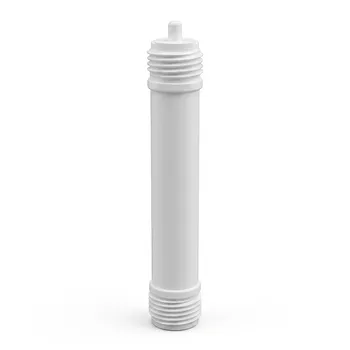
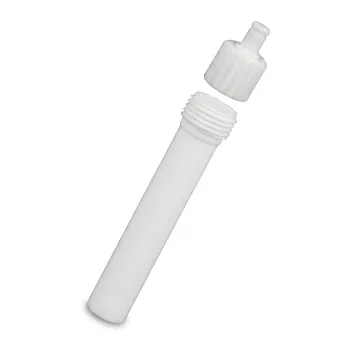
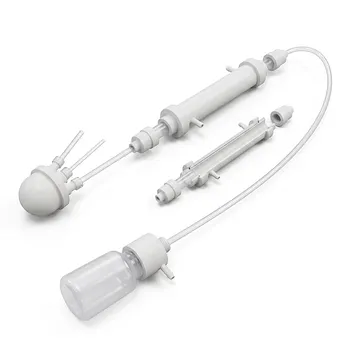
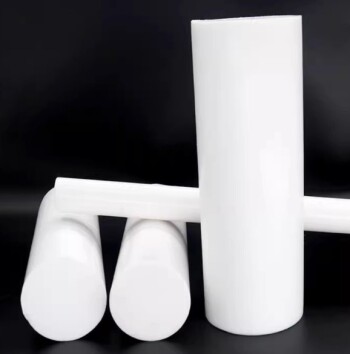
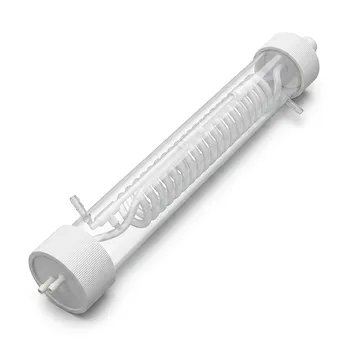
The necessity of high-purity PTFE or PFA liners is driven by the extreme chemical and thermal conditions of hydrothermal synthesis. These fluoropolymer liners provide a chemically inert barrier that prevents corrosive precursors and biomass degradation byproducts from leaching metal ions from the reactor’s steel walls into the sample. This isolation is critical for maintaining the specific fluorescence properties, preserving surface functional groups, and ensuring the batch-to-batch consistency required for high-performance nitrogen and sulfur-doped carbon dots (N,S-CDs).
Core Takeaway: High-purity PTFE or PFA liners are essential because they maintain a sterile, non-reactive environment that protects both the material's optical integrity and the physical reactor hardware from the corrosive nature of N,S-CD precursors.
Chemical Inertness and Corrosion Resistance
Protection Against Corrosive Precursors
Hydrothermal synthesis of N,S-CDs often involves aggressive reagents, including organic acids, strong mineral acids (like nitric or sulfuric), or strong bases. PTFE and PFA possess exceptional chemical stability, allowing them to resist degradation even when exposed to these corrosive environments at high temperatures.
Preventing Biomass Degradation Interference
When using biomass as a precursor, the degradation process creates a variety of reactive byproducts. These liners ensure that these intermediate chemicals do not react with the container itself, which would otherwise alter the intended chemical pathway of the carbon dot formation.
Safeguarding the External Hardware
The liner serves as a critical seal that isolates the reaction media from the outer stainless steel jacket. Without this barrier, the high-pressure acidic or alkaline vapors would rapidly erode the steel vessel, compromising the safety and longevity of the hydrothermal autoclave.
Prevention of Metal Ion Contamination
Maintaining Fluorescence Purity
The optical properties of carbon dots are highly sensitive to their chemical environment. Metal ion leaching from a reactor's inner walls can quench fluorescence or shift emission peaks, resulting in a product with inferior or unpredictable light-emitting qualities.
Ensuring Batch-to-Batch Consistency
By providing a consistently inert interface, high-purity liners eliminate a major variable in the synthesis process. This allows researchers to achieve high reproducibility, ensuring that every batch of N,S-CDs exhibits the same photoelectric performance and electrochemical reliability.
Eliminating Trace Impurities
Even minute amounts of iron, nickel, or chromium from a steel reactor can integrate into the carbon dot structure. Using high-purity fluoropolymers ensures that the only elements present in the final N,S-CDs are those intentionally introduced by the nitrogen and sulfur precursors.
Structural and Thermal Integrity
Withstanding High Temperature and Pressure
Hydrothermal reactions typically occur at temperatures up to 200°C and under significant autogenous pressure. PTFE and PFA are selected because they maintain their physical stability and sealing capabilities under these punishing conditions without softening or deforming.
Preservation of Surface Functional Groups
The utility of N,S-CDs often depends on surface groups like amines, carboxyls, and thiols. Because PTFE/PFA is non-reactive, it ensures these functional groups remain intact on the surface of the dots rather than reacting with the vessel walls.
Facilitating Organic Solvent Use
In some synthesis protocols, ethanol or other organic solvents are used alongside aqueous precursors. PTFE and PFA are uniquely resistant to these solvents under high pressure, preventing solvent-induced degradation of the liner that could contaminate the sample.
Understanding the Trade-offs
While PTFE and PFA are industry standards, they are not without limitations. Thermal ceiling is the primary concern; PTFE typically should not exceed 200°C–220°C, as it may begin to creep or release toxic vapors if overheated.
Additionally, these liners are susceptible to mechanical wear. Repeated heating and cooling cycles can cause the material to lose its shape over time, which may eventually compromise the seal and lead to "blow-by" where reactants escape the liner and attack the steel shell.
Applying This to Your Synthesis Project
When selecting or maintaining liners for the synthesis of doped carbon dots, consider your specific experimental parameters to ensure the best results.
- If your primary focus is Maximum Fluorescence Brightness: Prioritize ultra-high-purity PFA liners, as they typically offer lower trace-metal leaching profiles than standard PTFE.
- If your primary focus is High-Temperature Reactions (>200°C): Monitor your liners closely for signs of "pitting" or deformation, and consider replacing them more frequently to prevent reactor failure.
- If your primary focus is Cost-Effective Batch Production: Standard PTFE liners provide the best balance of chemical resistance and affordability for routine N,S-CD synthesis.
- If your primary focus is Surface Functionalization: Ensure the liner is thoroughly cleaned with an acid wash between runs to prevent "cross-batch" contamination of amine or thiol groups.
The success of N,S-CD synthesis depends on a controlled environment where the only reactions occurring are those between your precursors.
Summary Table:
| Key Feature | Benefit for N,S-CDs | Functional Result |
|---|---|---|
| Chemical Inertness | Resists aggressive organic/mineral acids | Maintains pure chemical pathways |
| Purity Standards | Eliminates metal ion leaching from steel | Prevents fluorescence quenching |
| Thermal Stability | Withstands temperatures up to 200°C | Safe high-pressure autogenous reactions |
| Surface Integrity | Non-reactive with amines and thiols | Preserves critical surface functional groups |
| Hardware Safety | Protects stainless steel jacket | Prevents reactor corrosion and failure |
Elevate Your Material Synthesis with KINTEK’s High-Performance Fluoropolymers
Achieving superior fluorescence and batch-to-batch consistency in N,S-doped carbon dots requires an uncompromisingly clean reaction environment. KINTEK specializes in manufacturing high-purity PTFE and PFA laboratory supplies specifically designed to withstand the extreme chemical and thermal demands of hydrothermal synthesis.
From hydrothermal synthesis liners and microwave digestion vessels to high-purity trace analysis instruments and custom CNC-machined components, we provide everything your lab needs to succeed. Our expertise spans from everyday basic labware (beakers, crucibles, digestion tubes) and fluid transfer components (tubing, valves) to advanced reaction apparatus like custom electrochemical cells and battery testing fixtures.
The KINTEK Advantage for Researchers:
- Absolute Purity: Eliminate trace metal impurities to maintain the optical and electrochemical integrity of your samples.
- End-to-End Customization: Our custom CNC fabrication delivers everything from complex non-standard parts to bespoke laboratory setups.
- Durable Performance: We focus exclusively on high-performance fluoropolymers to ensure your equipment survives the most corrosive environments.
Don't let reactor contamination or equipment failure compromise your research. Contact KINTEK today to discuss your specific synthesis needs and discover how our high-volume or bespoke fluoropolymer solutions can drive your innovation forward!
References
- S. Swain, Ashis Kumar Jena. Green Synthesis of N,S-Doped Carbon Dots from the Giloy Stem for Fluorimetry Detection of 4-Nitrophenol, Triple-Mode Detection of Congo Red, and Antioxidant Applications. DOI: 10.1021/acsomega.4c09748
This article is also based on technical information from Kintek Knowledge Base .
Related Products
- PTFE Lined High Pressure Digestion Vessel 50ml High Temperature Hydrothermal Synthesis Tank
- High Purity PTFE Microwave Digestion Vessel for Soil and Food Analysis Acid Resistant Fluoropolymer Sample Preparation Liners
- High Purity PTFE Microwave Digestion Vessel Replacement Liner for Acid Sample Preparation and Trace Analysis
- High Temperature Corrosion Resistant PTFE Hydrogen Fluoride Condensation Reflux System with Separatory Funnel and PFA Collection Bottle
- High Purity TFM Microwave Digestion Vessels PTFE Acid Evaporation Liners Domestic GT-400 Equivalent Laboratory Reaction Containers
People Also Ask
- What are the benefits of using a PTFE-lined vessel for carbon-sulfur cathode treatment? Maximize Purity & Performance
- Why are PTFE-lined pressure digestion vessels required for the preparation of Ag/CeO2 catalysts? Purity & Performance
- What is the function of high-pressure PTFE digestion vessels in mineral analysis? Optimize Sample Mineralization
- What safety features are typically incorporated into high-pressure PTFE digestion vessel designs? Ensure Lab Safety
- What is the function of PTFE lined high-pressure vessels in g-C3N4 synthesis? Achieve High-Purity Material Growth