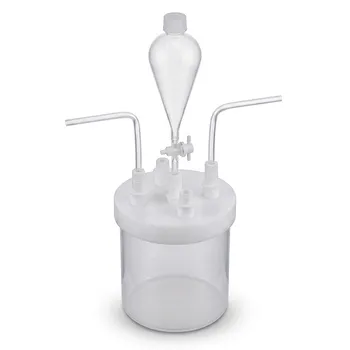
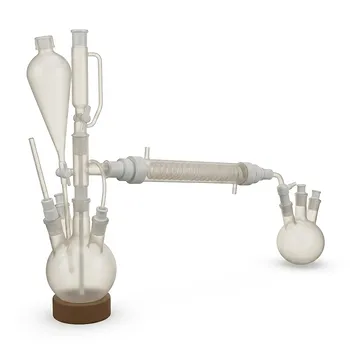
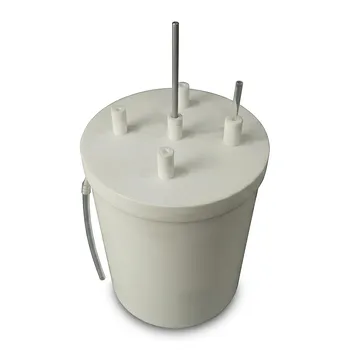
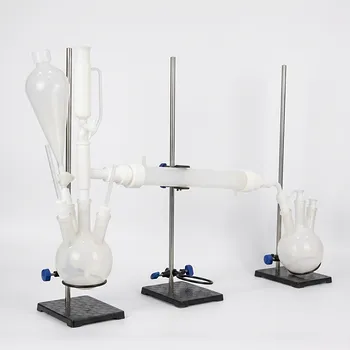
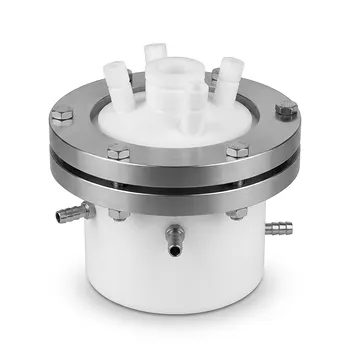
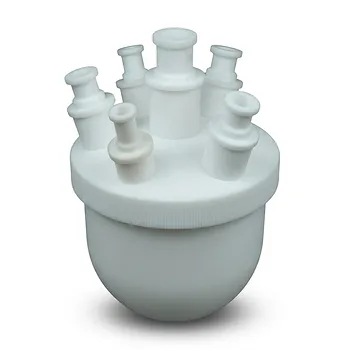
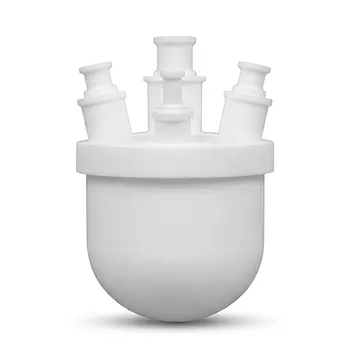
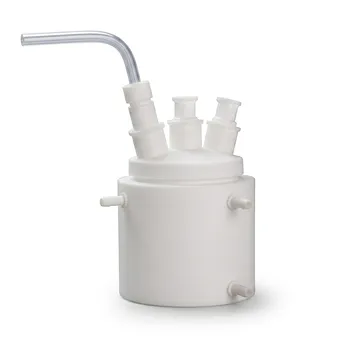
High-pressure hydrothermal synthesis reactors are the preferred choice for preparing nano-scale lithium manganese phosphate because they allow for precise control over morphology and particle size. This sealed environment facilitates the direct generation of specific nanostructures that shorten the diffusion distance for lithium ions, a critical factor in enhancing the electrochemical performance of battery materials.
High-pressure reactors create a subcritical fluid environment that overcomes activation energy barriers, enabling the synthesis of highly crystalline, phase-pure nanostructures. This method offers a level of structural engineering and chemical purity that conventional atmospheric synthesis cannot match.
Precision Engineering at the Nanoscale
Controlling Morphology and Particle Size
The primary advantage of these reactors is the ability to achieve precise control over the physical dimensions of the product. By adjusting the internal pressure and temperature, researchers can dictate the final shape and size of the lithium manganese phosphate crystals.
Enhancing Lithium-Ion Diffusion
The synthesis of specific nanostructures is not merely aesthetic; it is functional. Smaller, well-defined particles effectively reduce the path length that lithium ions must travel during charge and discharge cycles, improving the material's rate capability.
Direct High-Pressure Synthesis
Unlike multi-step processes, these reactors allow for the direct generation of the material within a single sealed environment. This streamlined approach ensures that the reaction conditions remain consistent throughout the nucleation and growth phases.
The Mechanics of the Hydrothermal Environment
Overcoming Activation Energy Barriers
In a closed system, as temperatures rise above the atmospheric boiling point, the chemical activity of the reactants increases significantly. This high-energy state allows the system to overcome activation energy barriers, facilitating the ordered self-assembly of complex crystal structures.
Facilitating Directional Crystal Growth
The stable pressure control within the vessel drives directional crystal growth along specific axes. This results in nanomaterials with high crystallinity and optimized pore structures, which are essential for maximizing the surface area available for electrochemical reactions.
Ensuring Chemical Purity and Integrity
High-pressure reactors often utilize polytetrafluoroethylene (PTFE) liners to provide a chemically inert environment. These liners prevent the highly reactive precursors from corroding the reactor walls and ensure the final product is free from metal ion impurities.
Understanding the Trade-offs
Scalability and Equipment Costs
While high-pressure reactors offer superior material quality, they are often limited to batch processing. Scaling these reactions for mass production requires significant capital investment in specialized, high-strength equipment to manage safety and pressure risks.
Complexity of Parameter Optimization
The sensitivity of the hydrothermal process means that even minor fluctuations in temperature or pressure can drastically alter the product's morphology. Achieving reproducibility across different reactor sizes requires rigorous control systems and deep expertise in fluid dynamics.
Making the Right Choice for Your Goal
How to Apply This to Your Project
Depending on your specific requirements for lithium manganese phosphate, the use of high-pressure hydrothermal synthesis should be tailored accordingly.
- If your primary focus is high-rate performance: Utilize the reactor to minimize particle size and maximize the specific surface area to shorten ion diffusion paths.
- If your primary focus is phase purity: Leverage the high-pressure environment and PTFE liners to ensure complete crystallization and avoid contamination from the reactor body.
- If your primary focus is morphological uniformity: Closely monitor and stabilize the thermal field to ensure consistent nucleation and directional growth across the entire batch.
By mastering the high-pressure hydrothermal environment, you can engineer lithium manganese phosphate with the exact structural characteristics required for next-generation energy storage.
Summary Table:
| Feature | Impact on LiMnPO4 Synthesis |
|---|---|
| High-Pressure Environment | Overcomes activation energy for high crystallinity and phase purity. |
| Morphology Control | Tailors particle size to shorten lithium-ion diffusion paths. |
| PTFE/PFA Liners | Ensures a chemically inert environment, preventing metallic contamination. |
| Directional Growth | Drives crystal formation along specific axes for optimized surface area. |
Elevate Your Material Synthesis with KINTEK
Precision in hydrothermal synthesis demands high-performance materials that withstand extreme conditions without compromising purity. KINTEK specializes in high-performance fluoropolymer solutions tailored for battery research and nano-engineering.
From hydrothermal synthesis liners and microwave digestion vessels to high-purity trace analysis instruments and electrochemical cells, we provide the absolute essentials for your lab. Our expertise extends from everyday consumables like PTFE beakers and PFA bottles to bespoke, custom CNC-machined components designed for your unique reaction apparatus.
Ensure the integrity of your lithium manganese phosphate production with our chemically inert, high-durability laboratory supplies.
Optimize your lab’s performance—Contact KINTEK today!
References
- Jianyi Lin. Progress in the Application of Nanotechnology in Lithium-ion Batteries. DOI: 10.54097/mhqd6509
This article is also based on technical information from Kintek Knowledge Base .
Related Products
- High Temperature Corrosion Resistant Hydrothermal Synthesis Reactor with TFM Inner Liner and Straight Cylinder Design
- PTFE Lined High Pressure Digestion Vessel 50ml High Temperature Hydrothermal Synthesis Tank
- High Pressure Custom TFM Reactor Stainless Steel Outer Vessel PTFE Inner Cup for Corrosive Synthesis
- Custom TFM Reaction Vessel with Stainless Steel Jacket and PTFE Inner Cup for High Corrosion Resistance
- High Purity PFA Reaction Vessel for Biopharmaceutical Synthesis and Corrosive Chemical Fluid Handling with Customizable Tube Fittings
People Also Ask
- What is the role of a corrosion-resistant reactor in the synthesis of lignin-based carbon dots? Ensure Maximum Purity
- What are the technical advantages of using hydrothermal synthesis reactors for advanced electronic & optical nanomaterials?
- How does a hydrothermal synthesis reactor facilitate the production of crystalline materials with tailored morphologies? Precision Crystal Growth
- Why is the sealing reliability of a hydrothermal synthesis reactor critical for 24-hour cycles? Ensure Nano-Precision
- What role do hydrothermal synthesis reactors play in CQD preparation? Achieve High-Purity Nanomaterial Synthesis