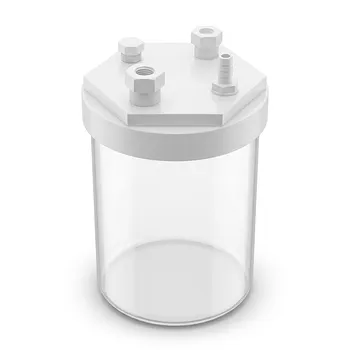
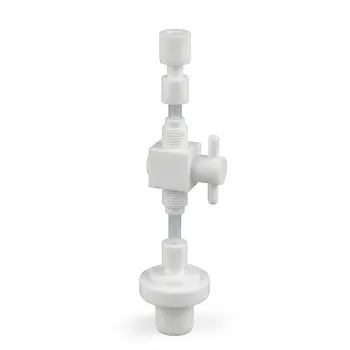
Fluoropolymers are critical because they protect process-fluid purity while surviving chemicals that rapidly degrade conventional materials. In semiconductor processing, tubing, fittings, valves, tanks, and vessels may contact concentrated acids, bases, oxidizers, solvents, etchants, and ultrapure water. High-purity PTFE and PFA resist chemical attack and contribute very low levels of ionic and organic extractables, helping prevent contamination that could reduce wafer yield.
Semiconductor fluid-handling systems must preserve both chemical integrity and mechanical reliability. PTFE and PFA provide broad chemical resistance, thermal stability, low extractables, and low-surface-energy surfaces, while PFA adds melt-weldability and excellent suitability for fabricated high-purity flow paths.
Why Semiconductor Fluid Handling Is So Demanding
Trace contamination can become a manufacturing defect
Wafer fabrication is highly sensitive to particles, metal ions, and organic residues. Even small amounts of contamination introduced during wet etching, cleaning, chemical dilution, or bulk chemical delivery can alter process results and reduce production yield.
The fluid-contact material is therefore part of the contamination-control strategy. It must not corrode, shed particles, or release substances into the reagent stream.
Process chemicals challenge ordinary materials
Semiconductor equipment handles aggressive acids, bases, oxidizers, solvents, and etchants. Many metals can corrode or release ions, while conventional plastics may swell, embrittle, degrade, or leach additives.
PTFE and PFA have highly stable, fluorinated polymer structures. Their strong carbon-fluorine bonds give them broad resistance to chemical attack, including exposure to many severe process chemistries.
How PTFE and PFA Protect Process Purity
Very low extractables and leachables
High-purity fluoropolymers are selected for their low levels of extractable ionic and organic species. This reduces the risk that tubing, fittings, valve bodies, or storage vessels will introduce contaminants into high-purity reagents.
The benefit is especially important where metal-ion contamination or trace organics can affect surface chemistry, etch behavior, cleaning effectiveness, or device performance.
Smooth, non-porous internal surfaces
PFA and PTFE provide low-surface-energy, non-porous contact surfaces that resist chemical absorption and make it more difficult for residues to remain attached. Smooth tubing and component surfaces also help reduce particle retention.
In properly designed flow paths, this supports more effective flushing and improves consistency during chemical changes, cleaning cycles, and ultrapure-water rinsing.
Reduced risk of corrosion-related particles
Because fluoropolymers do not corrode like many metals, they reduce the risk of corrosion products entering the process stream. This supports cleaner delivery through tubing, valves, fittings, pump heads, and chemical storage components.
The result is not absolute immunity from contamination. Clean manufacturing, appropriate joining methods, correct installation, and validated cleaning procedures remain essential.
Why PFA Is Often Preferred for Fabricated Flow Paths
PFA can be melt-welded
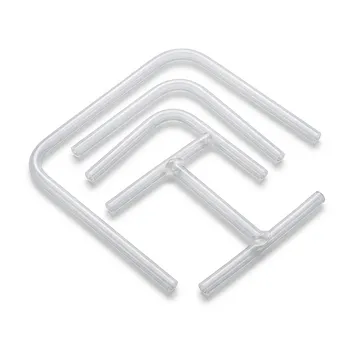
PFA is a melt-processable fluoropolymer, which allows manufacturers to produce tubing and fabricate components using thermal welding techniques. Welded construction can reduce the number of mechanical joints, crevices, and potential leak paths in a high-purity system.
This characteristic makes PFA particularly useful for semiconductor fluid transfer lines, valve bodies, vessels, and other components requiring integrated or custom geometries.
PFA supports clean, inspectable assemblies
PFA components can be formed and joined into smooth flow paths with fewer interfaces where particles or chemical residues might accumulate. This is valuable in systems that require repeatable flushing, low dead volume, and reliable chemical delivery.
PFA is not automatically superior in every application. Material grade, fabrication quality, weld qualification, dimensional control, and operating conditions determine whether a PFA assembly will meet the required performance.
Where PTFE Provides Value
Heavy-duty linings and storage equipment
PTFE offers excellent resistance to aggressive chemicals and elevated temperatures. It is widely suited to heavy-duty linings, chemical storage vessels, and equipment exposed to demanding process environments.
Its low friction and non-stick behavior can also help with residue management, although system designers must still account for flow behavior and cleaning requirements.
Machined and custom components
PTFE can be CNC-machined into specialized parts such as seals, insulators, valve components, pump elements, and custom fittings. This makes it useful when a component requires a geometry that is difficult to produce through conventional molding or melt fabrication.
PTFE’s processing characteristics differ from PFA’s. PTFE is generally not melt-welded in the same way as PFA, so mechanical designs and joining methods must be selected accordingly.
Thermal and Mechanical Reliability Matter Too
Resistance across severe temperature conditions
Semiconductor processes can combine aggressive chemicals with heating, thermal cycling, or elevated-temperature cleaning. PTFE and PFA provide broad thermal stability, allowing components to maintain chemical resistance and functional integrity across demanding operating conditions.
The allowable temperature is application-specific. Pressure, chemical concentration, mechanical stress, cycling frequency, and component geometry can substantially affect performance.
Reliable sealing and leak prevention
Fluid-transfer components must remain sealed despite chemical exposure and repeated operation. Fluoropolymers resist chemical fatigue and corrosion-related degradation, which supports long service life for tubing, valves, fittings, and pump components.
Leak prevention is both a process and safety requirement. A leak can interrupt production, damage equipment, expose personnel, and compromise the purity of adjacent systems.
Electrical insulation can be useful
Fluoropolymers also provide strong electrical insulation. This can be valuable in equipment where fluid-contact materials must remain electrically isolated from sensors, electrodes, heaters, or other process hardware.
Understanding the Trade-offs
Chemical resistance is not the same as universal compatibility
PTFE and PFA have exceptionally broad chemical resistance, but no material should be treated as universally compatible without qualification. Temperature, pressure, concentration, exposure duration, permeation, mechanical stress, and chemical mixtures all matter.
Compatibility data and supplier guidance should be checked for the exact process conditions.
Permeation can still affect system design
Low surface energy and chemical inertness do not eliminate gas or vapor permeation. Aggressive or volatile chemicals may permeate fluoropolymer walls, particularly through thin tubing or under sustained exposure.
Designers may need to consider wall thickness, ventilation, secondary containment, material selection, and the consequences of cross-contamination.
Mechanical properties require attention
PTFE has useful chemical and thermal properties, but it can deform under sustained load, a behavior commonly associated with creep. Pressure, unsupported spans, compression, bending, and sealing forces must therefore be evaluated during design.
PFA can offer advantages for fabricated and pressure-handling components, but it also requires appropriate engineering for temperature and mechanical loading.
Purity depends on the entire supply chain
A high-purity resin alone does not guarantee a high-purity fluid path. Machining residue, weld debris, packaging particles, poor handling, unsuitable elastomers, and inadequate cleaning can all compromise the system.
Purity specifications should cover the complete component and manufacturing process, including fabrication, cleaning, packaging, installation, and qualification.
Making the Right Choice for Your Goal
The correct choice depends on the chemistry, temperature, pressure, fabrication method, purity target, and maintenance requirements of the system.
- If your primary focus is maximum chemical resistance: Use qualified high-purity PTFE or PFA after verifying compatibility with the specific chemicals, concentrations, temperatures, and exposure duration.
- If your primary focus is welded, low-crevice fluid paths: Favor PFA where melt-weldability, smooth fabricated assemblies, and reduced mechanical joints are important.
- If your primary focus is heavy-duty linings or machined parts: Consider PTFE for chemically resistant liners, vessels, seals, and custom CNC-machined components.
- If your primary focus is contamination control: Specify semiconductor-grade materials and control fabrication, cleaning, packaging, installation, and validation across the complete fluid path.
- If your primary focus is long-term reliability: Evaluate chemical exposure together with pressure, thermal cycling, creep, permeation, sealing behavior, and leak-detection requirements.
Choosing PTFE and PFA as part of a properly qualified system helps preserve reagent purity, protect equipment, and maintain the process consistency on which semiconductor yield depends.
Summary Table:
| Material | Key Properties | Common Applications |
|---|---|---|
| PTFE | Chemical resistance, thermal stability, low friction | Linings, storage vessels, machined parts |
| PFA | Melt-processable, low extractables, weldable | Tubing, fittings, valves, fabricated flow paths |
Ensure your semiconductor processes maintain the highest purity and reliability. At KINTEK, we specialize in high-performance PTFE and PFA solutions, from custom machined components to complete fluid handling systems. Our products are designed to minimize contamination and withstand aggressive chemicals. Contact us today to discuss your specific requirements and benefit from our expertise in fluoropolymer technology.
Related Products
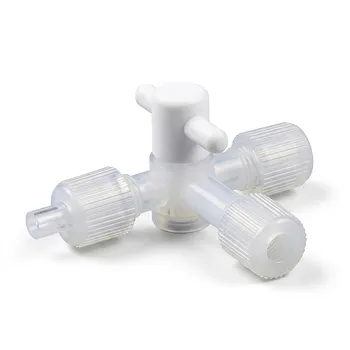
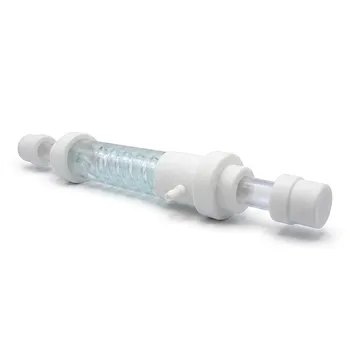
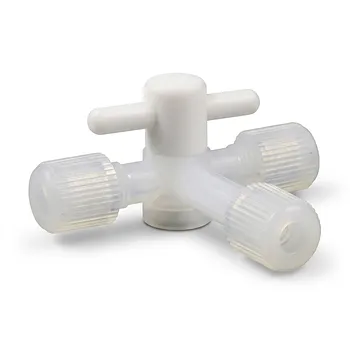
- Corrosion Resistant High Purity PFA Valve and Weldable Transparent Tubing for Semiconductor Fluid Transfer
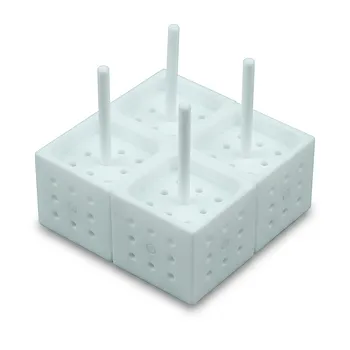
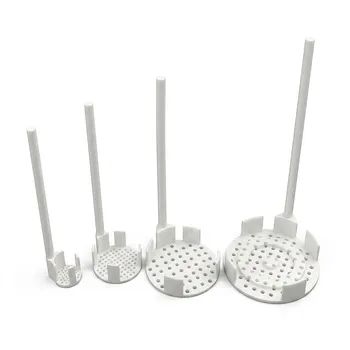
- Custom PTFE Wafer Cleaning Flower Basket Chemical Resistant Fluoropolymer Carrier for Semiconductor Etching and New Energy Processing
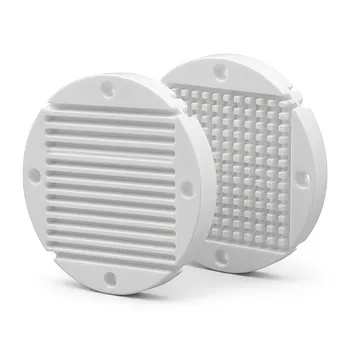
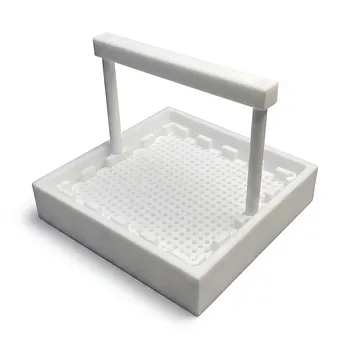
- Corrosion Resistant PTFE Reaction Trays and Custom Teflon Cassettes for Semiconductor Processing and High Purity Chemical Handling
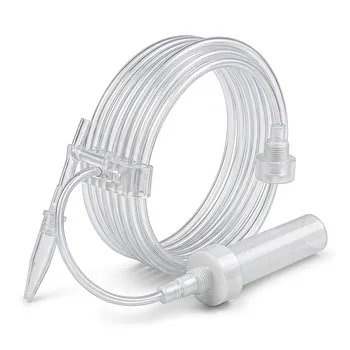
- Custom PFA Tubing 1/4 Inch High Purity Corrosion Resistant Fluoropolymer Tube with Welding and Machining Services
- High Purity Custom PTFE Square Tank Semiconductor Soaking Cleaning Acid Cylinder Corrosion Resistant Fluoropolymer Filtration Tank
People Also Ask
- Why are high-purity PFA fluid transfer components preferred for battery electrolytes? Ensure Purity & Data Accuracy
- How do high-precision PFA fluid transfer components, such as tubing and fittings, affect the results of continuous-flow synthesis?
- How do PFA fluid transfer components contribute to chemical research precision? Achieve high-purity results today.
- What role do PFA tubing and valves play in high-precision laboratory fluid transfer systems? Ensure Ultra-Pure Results
- Which material characteristics of fluoropolymers are most critical for high-purity fluid transfer and labware? Key factors: chemical inertness, low extractables, thermal stability.