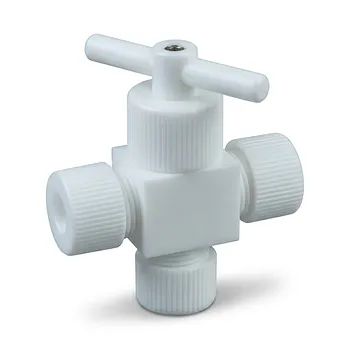
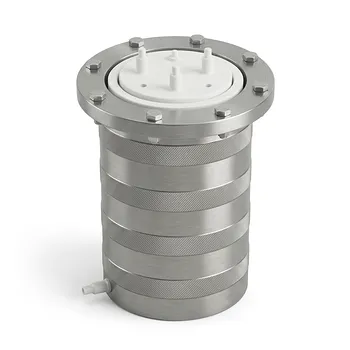
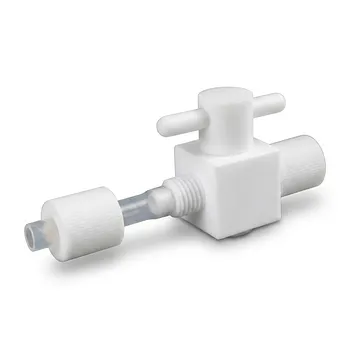
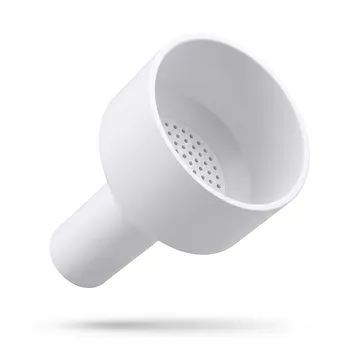
Fluoropolymer linings are preferred because they combine alloy-level corrosion protection with a lower total equipment cost and a cleaner process path. Instead of fabricating an entire pipe, fitting, or vessel from an expensive exotic alloy, manufacturers can use a fluoropolymer such as PTFE or PFA as the wetted surface over a structurally strong, lower-cost casing. This approach resists aggressive chemicals, reduces metallic contamination, and often extends service life while avoiding the capital cost of solid alloy construction.
The central advantage is selective protection: the fluoropolymer provides the chemical resistance where it is needed, while the outer metal supplies mechanical strength at a much lower cost. PTFE and PFA also prevent corrosion products and metal ions from entering high-purity process streams.
Why Solid Metal Alloys Become Expensive
Corrosion resistance often requires costly materials
Highly aggressive acids, solvents, and chemical vapors can rapidly attack standard carbon steel and many common stainless steels. Upgrading every wetted component to a specialized alloy may be technically effective, but the material, fabrication, welding, machining, and inspection costs can become prohibitive.
A lined component limits the expensive material to the surface that actually contacts the process fluid.
Equipment still needs structural strength
A fluoropolymer lining is not usually intended to replace the structural casing. The outer steel or alloy body provides pressure containment, dimensional stability, and mechanical support, while the lining acts as a chemically inert barrier.
This division of responsibilities makes it possible to optimize each material for its actual job.
Complex components amplify alloy costs
Pipes are only one part of a process system. Valves, elbows, tees, reducers, nozzles, pumps, vessel internals, and custom fittings can be difficult and expensive to manufacture from exotic alloys.
Fluoropolymer-lined versions provide a consistent corrosion-resistant wetted surface across these difficult geometries without requiring the entire component to be made from premium metal.
How Fluoropolymers Protect the Process
PTFE and PFA provide broad chemical resistance
Among commonly used fluoropolymers, PTFE and PFA offer exceptionally broad chemical inertness across aggressive acids, solvents, and other harsh process fluids. Their strong carbon-fluorine molecular structure contributes to resistance against chemical attack and dissolution.
This makes them suitable for demanding fluid transfer, reaction, analytical, and semiconductor-processing environments.
The lining blocks corrosion at the fluid interface
The fluid contacts the fluoropolymer rather than the structural metal. That barrier helps protect the casing from severe chemical attack, including exposure to highly aggressive acids such as hydrofluoric acid when the specific lining system is properly designed and rated.
The result is less corrosion-induced thinning, fewer leaks, and longer equipment service life.
Smooth surfaces reduce buildup and flow resistance
PTFE and PFA have very low coefficients of friction. Their smooth, non-porous surfaces reduce fluid drag and make it more difficult for process residues or chemical deposits to accumulate.
This can support more reliable flow, easier cleaning, and more predictable valve and piping performance.
Why Purity Can Matter More Than Corrosion Alone
Metal corrosion creates contamination
When process fluids contact reactive metals, corrosion can generate particles, oxides, salts, or dissolved metal ions. Even small amounts of this contamination can affect reaction yields, analytical results, or downstream product quality.
A fluoropolymer lining separates the process stream from the metal substrate and substantially reduces this contamination pathway.
High-purity processes have very low tolerance for ions
Semiconductor manufacturing, trace chemical analysis, and other high-purity applications may be compromised by minute quantities of metallic contamination. In these settings, eliminating metal from the fluid path can be more valuable than simply selecting a more corrosion-resistant metal.
Solid PTFE or PFA components can remove metal surfaces entirely, while lined components provide a comparable barrier where structural metal is still needed.
Low leaching supports cleaner operation
Properly selected and manufactured fluoropolymers do not contribute the same type of metallic ion leaching associated with corroding metal surfaces. High-quality, high-fluoropolymer formulations also help minimize surface degradation, micro-cracking, chalking, and unwanted extractables.
Material selection and manufacturing quality remain important; a generic polymer blend should not automatically be treated as equivalent to a qualified PTFE or PFA system.
Why PTFE and PFA Often Lead the Choice
PTFE offers maximum chemical inertness
PTFE is widely valued for its exceptional chemical resistance, low friction, and resistance to attack by many aggressive fluids. It is especially useful where chemical compatibility is the dominant design requirement.
Its processing characteristics can be challenging because of its high crystallinity and lack of conventional melt processability, so fabrication methods and component geometry must be considered.
PFA combines chemical resistance with melt processing
PFA provides chemical performance comparable to PTFE while being melt-processable. This allows more precise fabrication of complex linings, tubing, fittings, and vessel components.
That processing flexibility can improve dimensional consistency and support applications where the lining geometry is difficult to produce using conventional PTFE methods.
Both materials tolerate demanding conditions
PTFE and PFA offer higher thermal stability and broader chemical compatibility than many conventional plastics, including PVC and polypropylene. They also provide low surface friction and strong resistance to common organic solvents.
The exact temperature, pressure, permeation, and mechanical limits still depend on the grade, thickness, construction, and operating conditions.
Understanding the Trade-offs
Linings are not a universal substitute for solid alloys
A lining can fail if it is exposed to temperatures, pressures, vacuum conditions, mechanical loads, or permeating chemicals beyond its design limits. The structural casing and the lining must therefore be engineered as one system.
Solid alloy construction may remain preferable for severe mechanical service, high-temperature conditions, or applications where permeation and lining damage cannot be tolerated.
Installation quality determines reliability
A fluoropolymer lining must be continuous, properly bonded or mechanically retained where required, and free from defects. Damage during assembly, thermal cycling, abrasion, or improper cleaning can expose the underlying metal.
Inspection, correct flange design, suitable gaskets, and controlled installation are essential to preserve the corrosion barrier.
Fluoropolymers cost more than ordinary plastics
PTFE and PFA are not the cheapest plastics, and they can be more difficult to process than PVC, polypropylene, or other conventional polymers. Their value comes from performance over the equipment’s service life, particularly where premature chemical degradation would create downtime or contamination.
A lower-cost polymer is appropriate only when its chemical, temperature, purity, and fire-performance limits match the application.
Formulation quality affects longevity
High fluoropolymer concentration is important for maintaining surface integrity and resistance to long-term degradation. Lower-quality blends can lose surface retention properties more quickly and may be more vulnerable to cracking, chalking, or leaching.
Specifications should identify the fluoropolymer type, grade, formulation, manufacturing method, and applicable service ratings rather than relying on the general label “fluoropolymer.”
Making the Right Choice for Your Goal
Select the construction method according to the dominant risk in the process:
- If your primary focus is minimizing capital cost: Use a qualified PTFE- or PFA-lined pipe, fitting, or vessel component so the expensive corrosion-resistant material is concentrated at the wetted surface.
- If your primary focus is maximum fluid purity: Choose a design that removes exposed metal from the process path and specify high-quality, low-extractable PTFE or PFA materials.
- If your primary focus is broad chemical compatibility: Favor PTFE or PFA after confirming the exact fluid, concentration, temperature, pressure, and permeation requirements.
- If your primary focus is complex component fabrication: Consider PFA where melt processing can provide precise, continuous linings for intricate geometries.
- If your primary focus is mechanical severity: Evaluate a solid alloy or hybrid construction when pressure, abrasion, thermal cycling, or permeation could exceed the lining system’s limits.
The right fluoropolymer lining delivers corrosion protection, process purity, and long service life without requiring every structural component to be fabricated from an expensive exotic alloy.
Summary Table:
| Aspect | Fluoropolymer Linings | Expensive Metal Alloys |
|---|---|---|
| Cost | Lower overall cost; expensive material only on wetted surface | High material, fabrication, and maintenance costs |
| Corrosion Resistance | Excellent; broad chemical inertness (PTFE/PFA) | Good but varies by alloy |
| Purity | Minimal metallic contamination; low leaching | May release metal ions into process stream |
| Structural Strength | Outer metal provides strength | Strength inherent, but at high cost |
| Complex Geometries | Easier and more cost-effective to line | Difficult and costly to fabricate |
| Installation/Quality | Requires proper installation and quality control | Less sensitive to installation but costly |
Optimize your fluid handling with KINTEK's high-performance PTFE/PFA lined components. Enjoy alloy-level protection, enhanced purity, and cost savings. Contact our experts today to find the perfect solution for your process. Get in touch!
Related Products
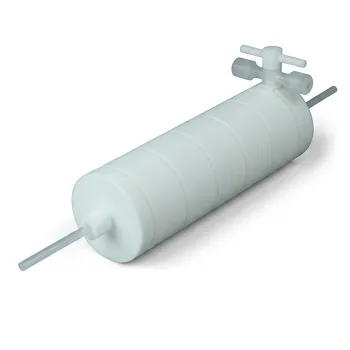
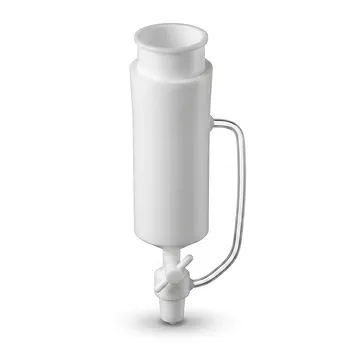
- High Purity PTFE Filter with PFA Valve Connections and Integrated Sieve Plate for Corrosive Fluid Processing
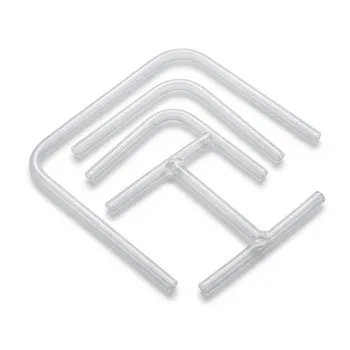
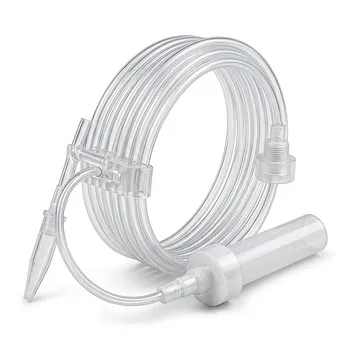
- High Purity PFA Coiled Tubing Custom PTFE Machining PFA Welding and Precision Bending Solutions
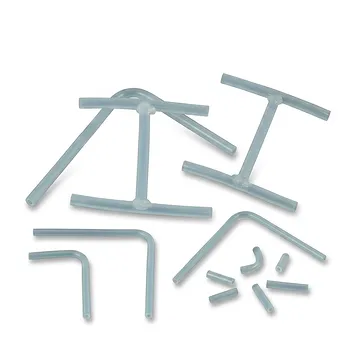
- High Performance PFA Coiled Spring Tubing and Custom PTFE Fabrication Services with Welded Fittings and Precision Bent Components
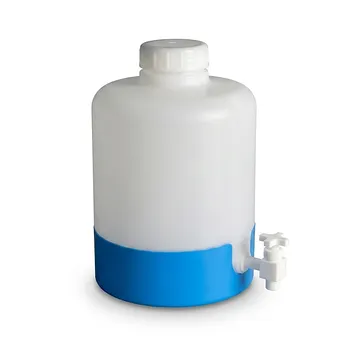
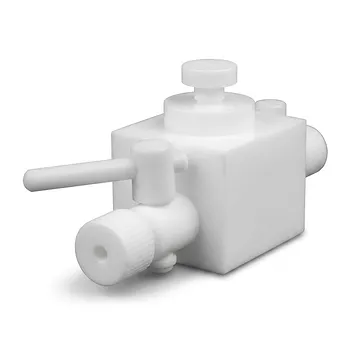
- High Corrosion Resistant PTFE Faucet Polytetrafluoroethylene Valve for Chemical Storage Drums and Fluid Transfer Systems Customizable Industrial Grade
- Corrosion Resistant PFA Tubing 1/4 Inch Custom Molded Welded Fluid Transfer Components
People Also Ask
- Which chemicals are fully compatible with PTFE filters? Discover Unmatched Chemical Resistance
- What sizes and pore options are available for PTFE filters? Choose the Right Filter for Your Application
- What steps are involved in selecting the proper PTFE filter? A 4-Step Guide to Optimal Filtration
- What temperature resistance do PTFE filters offer? Unmatched Thermal Stability from -200°C to +260°C
- How does the hydrophobicity of PTFE filters benefit their use? Ensure Uninterrupted Gas Flow and Solvent Filtration