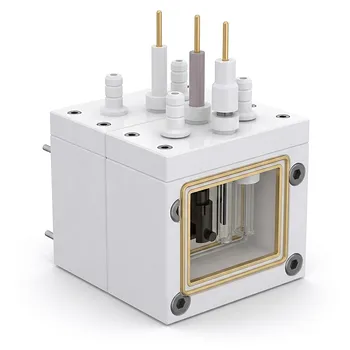
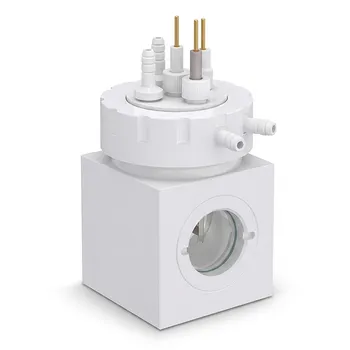
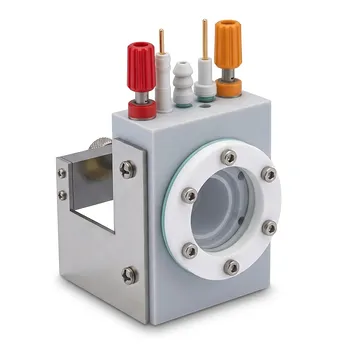
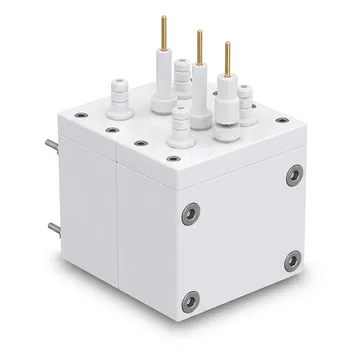
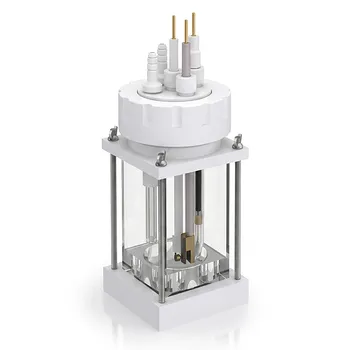
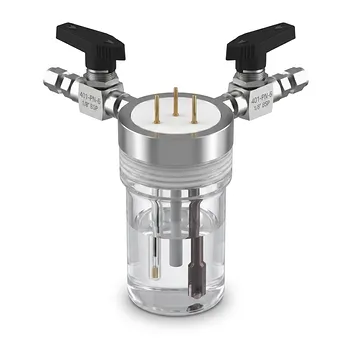
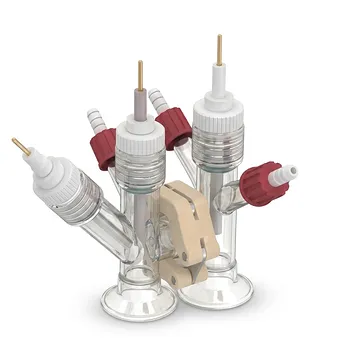
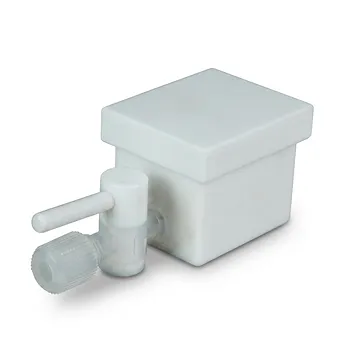
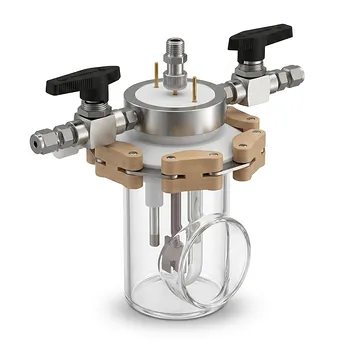
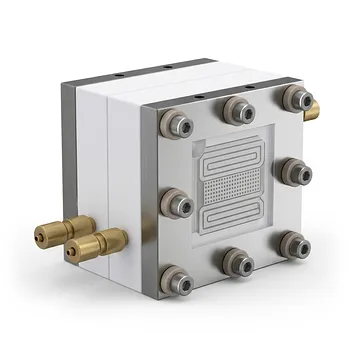
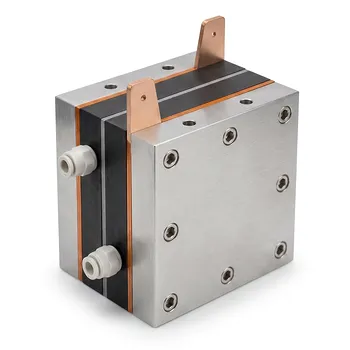
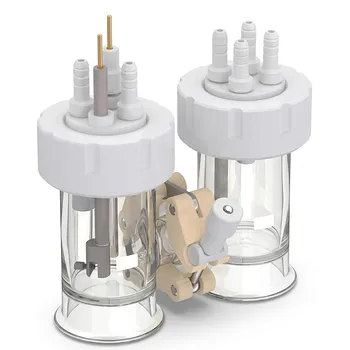
Custom fluoropolymer electrochemical cells are essential because they prevent the test fixture from altering the membrane’s proton-conductivity measurement. Nanophase-separated fluorinated block copolymers transport protons through interconnected hydrophilic nano-channels, but their performance is highly sensitive to hydration, temperature, contamination, and electrical interference. Machined PTFE or PFA cells provide an electrically insulating, chemically inert, thermally stable, and leak-resistant environment so the measured impedance reflects the membrane rather than the hardware.
The membrane’s nanoscale morphology can only be evaluated accurately when the cell introduces negligible ions, leakage, corrosion, stray current, and parasitic electrical effects. PTFE and PFA fixtures create the controlled boundary conditions required to measure intrinsic conductivity and water-uptake behavior reliably.
Why the Membrane Requires Controlled Testing
Proton transport depends on nanoscale morphology
Fluorinated block copolymers combine a hydrophobic fluorinated backbone with hydrophilic proton-conducting domains. These chemically distinct regions separate into nanoscale structures that can form continuous channels for proton transport.
The resulting conductivity is not determined only by the chemical composition of the membrane. It also depends on whether the hydrophilic domains remain connected, hydrated, and dimensionally stable during testing.
Hydration and temperature directly affect conductivity
In liquid water, proton transport occurs through both Grotthuss proton hopping and vehicular diffusion involving hydrated proton species. Water uptake therefore changes the number and continuity of available transport pathways.
Temperature further affects hydration, ion mobility, membrane swelling, and mechanical stability. A cell used for testing must maintain the intended thermal and fluid conditions without introducing additional variables.
Small measurement errors can obscure real material behavior
When conductivity is high, often reported above 100–300 mS/cm in liquid water for advanced fluorinated membranes, parasitic resistance and stray currents can become significant relative to the signal being measured. Leakage or uncontrolled compression can also change the membrane’s effective thickness and contact area.
The test apparatus must therefore behave as a stable measurement boundary, not as another electrochemically active component.
How PTFE and PFA Protect Measurement Integrity
Chemical inertness prevents ion contamination
Standard metals and non-inert materials may corrode or react when exposed to water, acids, sulfonated membranes, humidified gases, or elevated temperatures. Corrosion products and released ions can enter the test environment and change the measured electrolyte composition.
PTFE and PFA resist aggressive electrolytes and minimize unwanted chemical interactions. This helps ensure that the measured conductivity originates from the membrane’s proton-conducting domains rather than contaminants introduced by the cell.
Electrical insulation reduces stray-current errors
Electrochemical impedance measurements depend on accurately distinguishing the membrane’s ionic response from the electrical behavior of the test fixture. Conductive or poorly isolated components can create leakage paths, parasitic currents, and distorted impedance spectra.
PTFE and PFA are strong electrical insulators with favorable dielectric properties. Properly designed fluoropolymer bodies and accessories help confine the intended current path through the membrane.
Thermal stability supports demanding test conditions
Membrane conductivity is often evaluated across changing temperatures and hydration conditions. The cell must retain its geometry, insulation, and sealing performance while exposed to heated water or humidified gases.
Fluoropolymer components offer broad thermal stability and resist chemical degradation during elevated-temperature operation. This is particularly important when testing membranes intended to function under reduced humidity or at temperatures approaching 120 °C and beyond.
Sealing protects hydration and prevents leakage
A leak can alter the membrane’s water content, contaminate adjacent components, or make the nominal test conditions different from the actual conditions at the sample. It can also compromise pressure, compression, and electrode contact.
Custom-machined cells can incorporate the required channels, grooves, compression surfaces, and fluid connections for a specific membrane geometry. That precision supports repeatable sealing without relying on an ill-fitting standard fixture.
Why Customization Matters
Membranes do not have a universal test geometry
A membrane’s thickness, active area, electrode arrangement, and preferred hydration method vary between experiments. A generic cell may not provide the correct contact pressure, exposed area, fluid path, or electrode alignment.
Custom machining allows the cell to match the specimen and measurement method. This reduces ambiguity in calculating conductivity from resistance, thickness, and area.
Stable compression improves repeatability
Contact resistance and membrane thickness can change if compression is uneven or inconsistent. Excessive compression may restrict water movement or deform the nanophase-separated structure, while insufficient compression can produce unstable electrical contact.
A custom cell can control the mechanical interfaces around the membrane and maintain consistent positioning across repeated measurements.
Fluid paths can be designed around the experiment
Liquid-water tests require controlled filling, circulation, drainage, and sometimes temperature management. Humidified-gas tests require sealed flow paths and resistance to aggressive moisture and chemical exposure.
Custom PTFE or PFA components can integrate these requirements into the cell design, reducing dead volume, leakage points, and uncontrolled exposure conditions.
Precision machining supports non-standard research setups
Advanced membrane research often uses unusual sample sizes, multiple electrodes, reference configurations, or specialized impedance geometries. High-precision CNC machining makes it practical to create insulating parts that would be difficult to produce from standard laboratory hardware.
The result is a fixture designed around the measurement objective rather than a measurement forced into an unsuitable enclosure.
What the Cell Enables Researchers to Measure
Intrinsic ionic conductivity
The primary benefit is a cleaner estimate of the membrane’s ionic conductivity. With corrosion, contamination, leakage, and stray-current pathways minimized, the impedance response more closely represents proton transport through the hydrated polymer domains.
This distinction matters when comparing materials with similar conductivity but different morphology, hydration response, or temperature dependence.
Water uptake and swelling behavior
The same hydrophilic domains that enable proton transport also absorb water and can cause dimensional changes. Excessive swelling may increase conductivity temporarily while reducing mechanical stability or changing the effective geometry.
A controlled fluoropolymer cell helps maintain known fluid and thermal conditions while those changes are evaluated.
Performance across humidity and temperature
Fluorinated backbones can preserve dimensional and chemical stability while functional groups provide proton-conducting sites. Testing across relative humidity and temperature ranges reveals whether the nano-channels remain interconnected under practical operating conditions.
A chemically stable, well-sealed cell is necessary to separate membrane limitations from fixture limitations during these comparisons.
Long-duration stability
Short measurements may not reveal gradual corrosion, ion release, seal degradation, or material swelling in the apparatus. Fluoropolymer fixtures are suited to longer tests because they resist many of the chemical and thermal stresses present in electrochemical environments.
This supports more meaningful evaluations of conductivity retention and operational durability.
Understanding the Trade-offs
PTFE and PFA are not universally interchangeable
Both materials provide chemical resistance and electrical insulation, but their mechanical behavior, dimensional stability, fabrication characteristics, and temperature limits can differ by design and operating condition. The material choice should match the required compression, sealing method, temperature, and chemical exposure.
Material selection should therefore be based on the complete cell design rather than chemical inertness alone.
Inert hardware does not eliminate all measurement errors
Electrode polarization, contact resistance, membrane thickness uncertainty, temperature gradients, and incomplete hydration can still distort conductivity results. A fluoropolymer cell reduces fixture-related interference, but it does not replace proper impedance modeling and calibration.
The measurement protocol must independently control geometry, equilibration time, frequency range, and temperature.
Excessive customization can complicate reproducibility
A highly specialized cell may be difficult to compare with data collected using another geometry. Non-standard compression or electrode arrangements can introduce systematic differences between laboratories.
The cell should be customized where necessary while preserving documented, repeatable dimensions and a clearly defined measurement method.
Fluoropolymer components require careful mechanical design
PTFE and related materials can deform under sustained load or thermal cycling. Seals, fasteners, compression limits, and tolerances must be selected so that the fixture remains stable without damaging the membrane.
A chemically inert material is only effective when the complete assembly maintains its geometry and seal integrity.
Making the Right Choice for Your Goal
The cell should be designed around the membrane’s transport mechanism, operating environment, and measurement uncertainty.
- If your primary focus is intrinsic proton conductivity: Use an electrically insulating, chemically inert PTFE or PFA cell with controlled electrode geometry and known membrane compression.
- If your primary focus is water uptake and swelling: Prioritize leak-resistant fluid handling, stable dimensions, and a geometry that preserves accurate membrane thickness and exposed area.
- If your primary focus is elevated-temperature or humidity testing: Select fluoropolymer components, seals, and connections that maintain chemical resistance, insulation, and integrity across the full test range.
- If your primary focus is repeatable comparative research: Standardize the machined dimensions, compression conditions, hydration protocol, and impedance-analysis method across every sample.
- If your primary focus is long-duration durability: Use inert, low-contamination materials and verify seal stability, thermal cycling performance, and baseline impedance before and after testing.
A custom fluoropolymer cell turns a sensitive nanoscale membrane measurement into a controlled experiment whose results can be trusted.
Summary Table:
| Need | How Custom PTFE/PFA Cells Help |
|---|---|
| Chemical Inertness | Prevents ion contamination and corrosion, ensuring measured conductivity reflects the membrane. |
| Electrical Insulation | Reduces stray currents and parasitic resistance for accurate impedance measurements. |
| Thermal Stability | Maintains integrity at elevated temperatures, crucial for high-temp/humidity tests. |
| Reliable Sealing | Prevents leaks, preserving hydration and test conditions. |
| Customization | Matches membrane geometry, compression, and fluid paths to the experiment. |
Ensure your membrane conductivity measurements are accurate and reliable. At KINTEK, we specialize in custom PTFE and PFA electrochemical cells designed exclusively for high-performance fluoropolymer testing. Our precision-machined cells provide chemical inertness, electrical insulation, and thermal stability, so you can trust your results. Whether you need standard labware or bespoke setups, our end-to-end CNC machining capabilities deliver exactly what you need. Contact us today to discuss your requirements and get a quote: Contact KINTEK.
Related Products
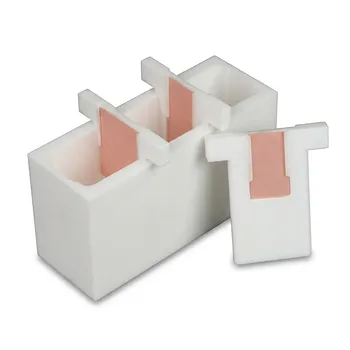
- Corrosion Resistant PTFE Electrochemical Cell for New Energy Research Inert Insulating Customizable Lab Reaction Vessel
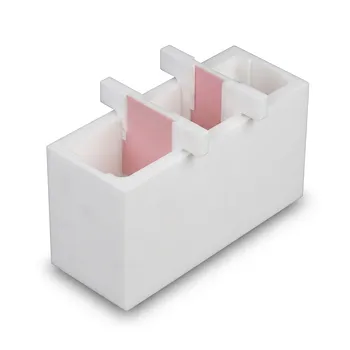
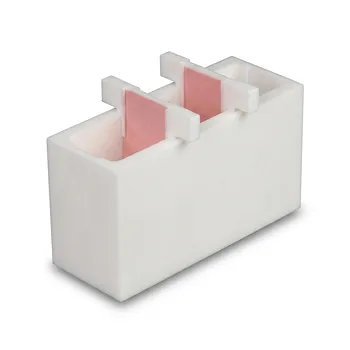
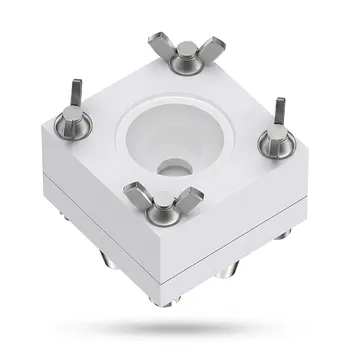
- Square PTFE Electrochemical Cell for Silicon Wafer Processing and Hydrofluoric Acid Resistance in Semiconductor and New Energy Research
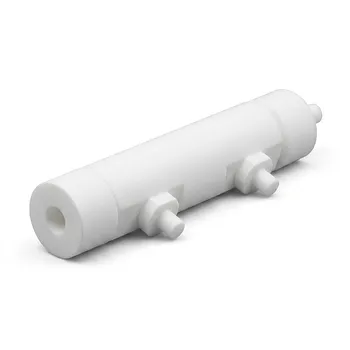
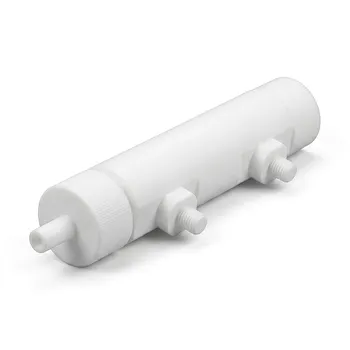
- Custom PTFE Electrolytic Cell Corrosion Resistant Low Background Reaction Vessel with Inlet Outlet Ports
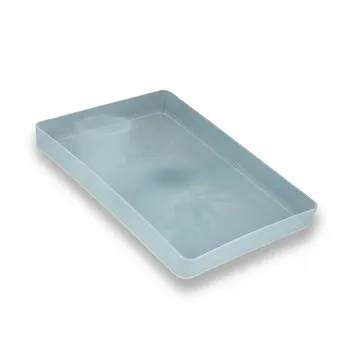
- Customizable PFA Square Tray Corrosion Resistant High Temperature Large Petri Dish Electrolytic Cell
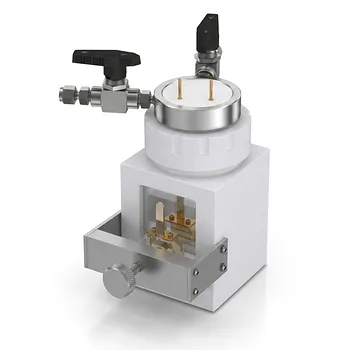
- White PTFE Electrolytic Cell with Movable Slider and Insulated Lid for Fluorine Corrosion Resistance
People Also Ask
- What parameters govern the electrochemical decomposition of perfluorooctanoic acid (PFOA) in aqueous solutions, and why are custom PTFE electrochemical cells preferred? Key factors include anode material, current density, electrolyte, and cell design.
- How do custom PTFE electrochemical cells improve the accuracy of stability testing for alkaline catalysts compared to glass cells?
- How does the hydrophobicity of PTFE benefit electrochemical measurements? Enhance Stability and Precision in Your Lab
- What makes PTFE an ideal construction material for custom electrochemical cells and electronic analytical instrumentation housings? Discover superior chemical resistance and electrical insulation
- Why must seawater electrolysis test cells have high corrosion resistance? Protect catalyst stability & data accuracy.