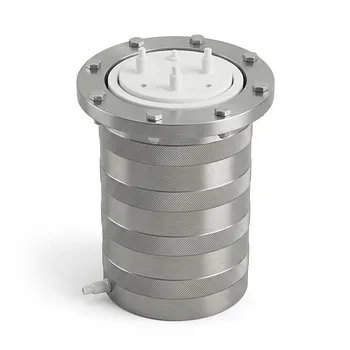
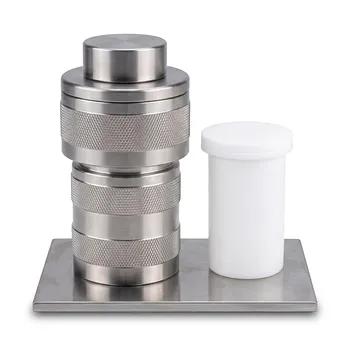
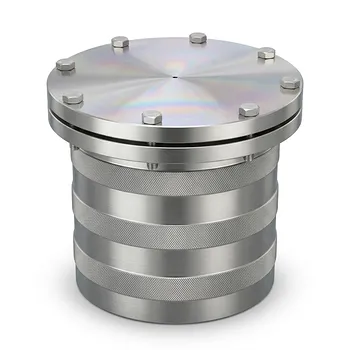
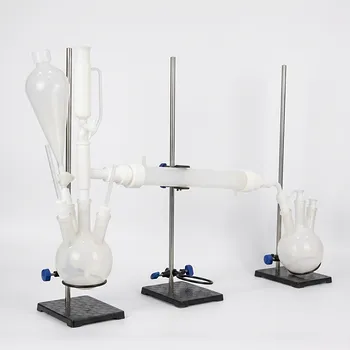
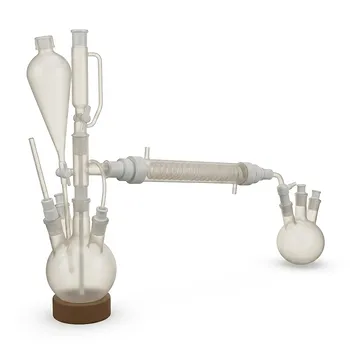
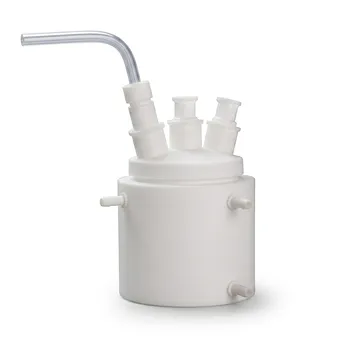
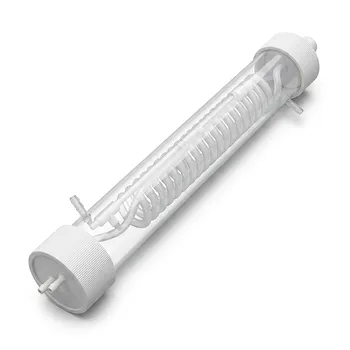
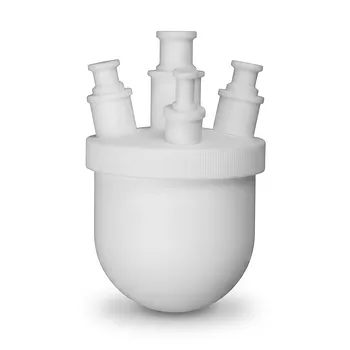
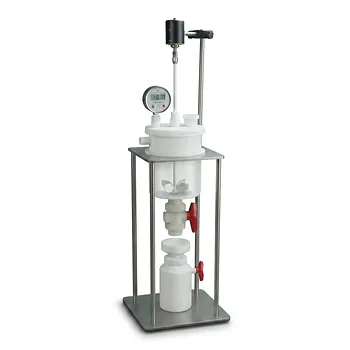
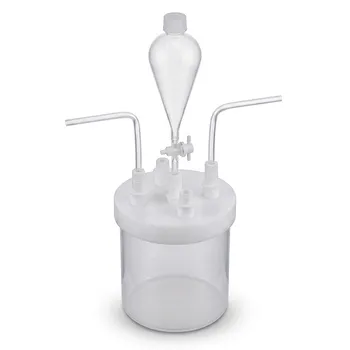
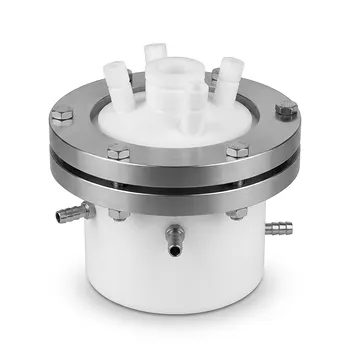
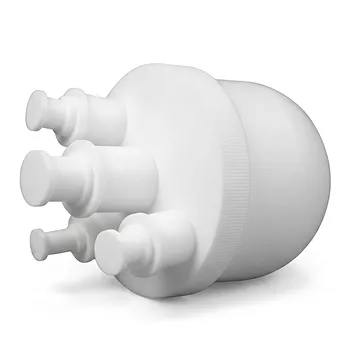
High-pressure hydrothermal reactors provide a precisely controlled physical environment that is characterized by three specific conditions: a hermetically sealed chamber, elevated temperatures, and internal high pressure. These factors work in tandem to facilitate the growth of a uniform nanosheet layer of Ni(OH)x directly onto the hematite surface, ensuring a level of structural consistency that standard atmospheric methods cannot achieve.
The hydrothermal reactor’s unique environment enables the synthesis of highly ordered co-catalysts with superior interface contact. This structural precision is the foundation for reducing energy barriers and maximizing the efficiency of photoelectrochemical reactions.
The Physical Dynamics of the Hydrothermal Environment
The Role of High Pressure and Temperature
The combination of high pressure and temperature increases the solubility and reactivity of the nickel precursors within the sealed vessel. This environment forces the deposition to occur under equilibrium-like conditions, allowing the Ni(OH)x to form a continuous, stable layer rather than sporadic clusters.
Achieving Geometric Uniformity
The "closed-system" nature of the reactor ensures that the chemical potential remains constant throughout the deposition process. This leads to the formation of a uniform nanosheet structure, which maximizes the available surface area for subsequent catalytic reactions.
Interface Engineering and Charge Dynamics
Minimizing Surface Recombination
The hydrothermal method creates an atomically tight interface between the hematite photoanode and the Ni(OH)x co-catalyst. This high-quality contact is essential for suppressing charge recombination, as it provides a seamless pathway for photogenerated holes to move toward the surface.
Lowering Reaction Energy Barriers
By optimizing the interface, the reactor conditions directly influence the electrochemical kinetics of the system. The resulting Ni(OH)x layer lowers the activation energy required for complex transformations, such as the selective oxidation of PET hydrolysis products.
Understanding the Trade-offs and Challenges
Risks of Over-Deposition
While a uniform layer is desirable, excessive time in the reactor can lead to an overly thick co-catalyst layer. If the Ni(OH)x becomes too dense, it may act as a light-blocking barrier, reducing the amount of solar energy reaching the underlying hematite.
Technical Complexity and Safety
Operating at high pressures and temperatures requires specialized equipment and rigorous safety protocols to prevent vessel failure. Additionally, the batch-nature of hydrothermal synthesis can make it more difficult to scale compared to continuous flow-based deposition methods.
Optimizing Deposition for Your Application
To achieve the best results with Ni(OH)x co-catalysts on hematite, your approach should be tailored to your specific performance requirements.
- If your primary focus is Maximum Catalytic Activity: Prioritize the hydrothermal method for its ability to create the high-surface-area nanosheet structures necessary for lowering reaction barriers.
- If your primary focus is Long-Term Stability: Ensure the reactor parameters are tuned to create the tightest possible interface contact, which prevents the co-catalyst from delaminating during extended PET hydrolysis.
- If your primary focus is Optical Efficiency: Carefully control the reaction time to maintain a thin, transparent nanosheet layer that facilitates charge transfer without sacrificing light absorption.
By leveraging the unique high-pressure environment of the hydrothermal reactor, researchers can transform hematite surfaces into highly efficient platforms for sustainable chemical synthesis.
Summary Table:
| Reactor Condition | Impact on Deposition Process | Resulting Photoanode Benefit |
|---|---|---|
| High Pressure & Temp | Increases solubility and precursor reactivity | Uniform, continuous nanosheet layer |
| Hermetically Sealed | Maintains constant chemical potential | Structural consistency and stability |
| Equilibrium Growth | Forces deposition under stable conditions | Atomically tight interface contact |
| Controlled Timing | Manages thickness of co-catalyst layer | Optimized light absorption and transfer |
Elevate Your Materials Synthesis with KINTEK
Precision in hydrothermal deposition requires equipment that can withstand extreme environments without compromising purity. KINTEK specializes in high-performance fluoropolymer laboratory supplies, offering everything from hydrothermal synthesis liners and microwave digestion vessels to high-purity PFA reagent bottles and PTFE electrochemical cells.
Whether you are performing trace analysis or complex interface engineering, our end-to-end custom CNC fabrication ensures you have the exact tools needed for your research. From everyday basic labware like beakers, centrifuge tubes, and tubing to bespoke, non-standard machined parts and advanced battery testing fixtures, we maintain an absolute focus on high-performance materials like PTFE and PFA to support your most demanding applications.
Ready to optimize your lab's efficiency and results? Contact KINTEK today for a custom quote!
References
- Yongpeng Liu, Erwin Reisner. Photoelectrochemical comproportionation of pre-treated PET plastics and CO<sub>2</sub> to formate. DOI: 10.1039/d5ee00689a
This article is also based on technical information from Kintek Knowledge Base .
Related Products
- High Temperature Corrosion Resistant Hydrothermal Synthesis Reactor with TFM Inner Liner and Straight Cylinder Design
- High Pressure Custom TFM Reactor Stainless Steel Outer Vessel PTFE Inner Cup for Corrosive Synthesis
- PTFE Lined High Pressure Digestion Vessel 50ml High Temperature Hydrothermal Synthesis Tank
- Custom TFM Reaction Vessel with Stainless Steel Jacket and PTFE Inner Cup for High Corrosion Resistance
- High Purity PFA Constant Pressure Condensation Reaction System Acid Resistant High Temperature Customizable Teflon Labware
People Also Ask
- What is the role of a corrosion-resistant reactor in the synthesis of lignin-based carbon dots? Ensure Maximum Purity
- What are the technical advantages of using hydrothermal synthesis reactors for advanced electronic & optical nanomaterials?
- How does a hydrothermal synthesis reactor facilitate the production of crystalline materials with tailored morphologies? Precision Crystal Growth
- Why is the sealing reliability of a hydrothermal synthesis reactor critical for 24-hour cycles? Ensure Nano-Precision
- What role do hydrothermal synthesis reactors play in CQD preparation? Achieve High-Purity Nanomaterial Synthesis