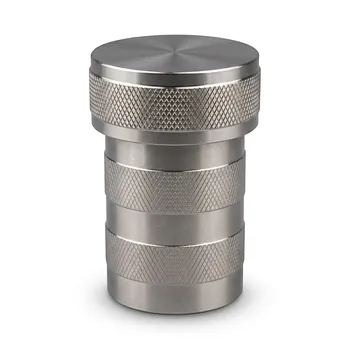
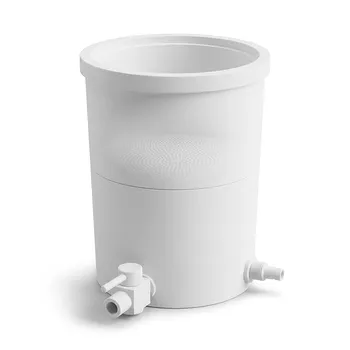
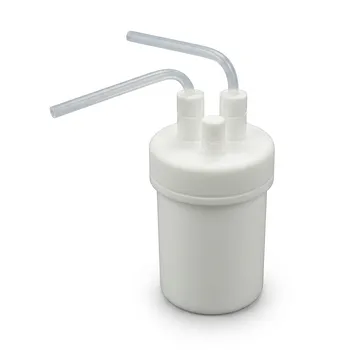
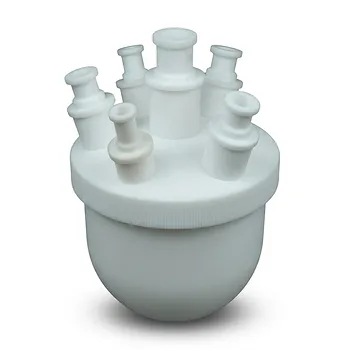
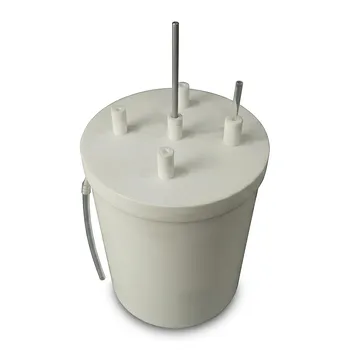
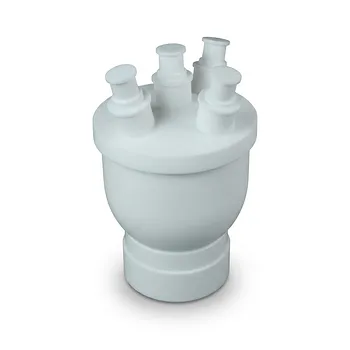
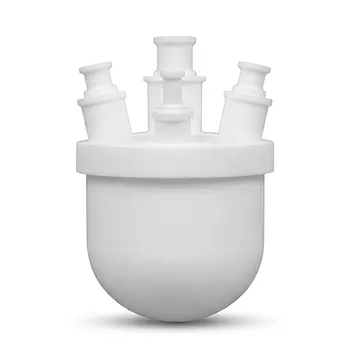
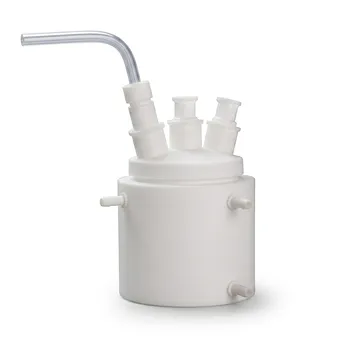
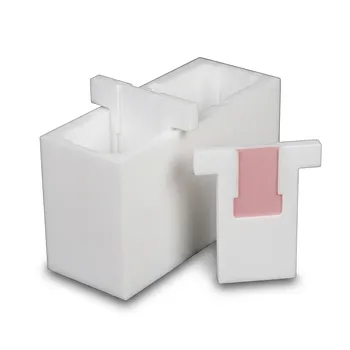
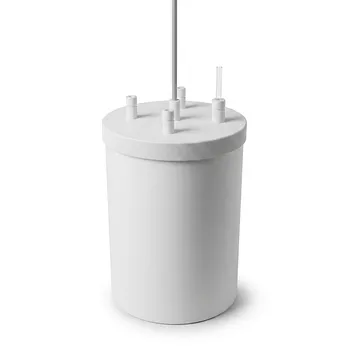
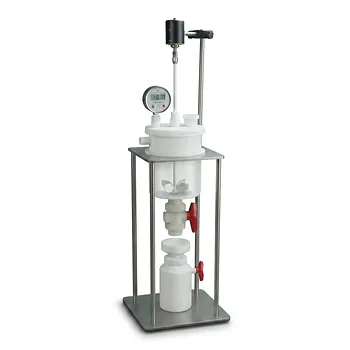
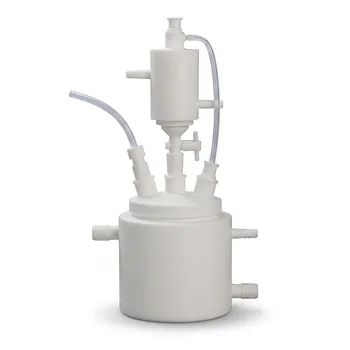
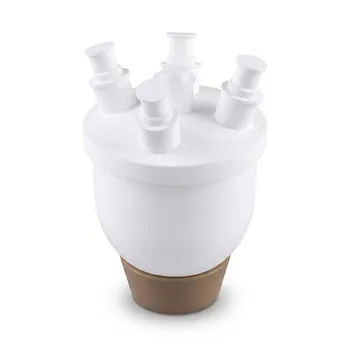
The PTFE-lined hydrothermal synthesis reactor serves as the critical reaction vessel for hierarchical zeolite preparation. It provides a chemically inert, high-pressure environment that allows silicon-aluminum precursors to crystallize into complex micro-mesoporous frameworks. By isolating aggressive mineralizing agents from the metal reactor body, it ensures the structural purity and precise chemical composition of the resulting zeolite.
Core Takeaway: The PTFE liner is indispensable because it creates a stable, non-reactive environment capable of withstanding the high temperatures and aggressive alkaline conditions required to form hierarchical frameworks without introducing metallic impurities.
Facilitating Hierarchical Framework Growth
Enabling High-Pressure Crystallization
Hierarchical zeolites require specific hydrothermal conditions, typically ranging from 130°C to 180°C, to transition from a precursor gel to a crystalline solid. The reactor creates a sealed environment where autogenous pressure develops, forcing the liquid phase into the pores of the structure-directing agents (SDAs).
Support for Structure-Directing Agents
The reactor’s stability allows Structure-Directing Agents (SDA) to successfully induce the formation of a combined micro-mesoporous structure. Without this controlled environment, the precise alignment of the silicon-aluminum framework around the SDAs would be disrupted by temperature or pressure fluctuations.
Ensuring Chemical Purity and Structural Integrity
Resistance to Aggressive Mineralizing Agents
The synthesis of zeolites often involves highly alkaline environments (such as sodium hydroxide) or fluorinated reagents that would rapidly corrode standard metals. PTFE (polytetrafluoroethylene) is used specifically for its exceptional chemical inertness, remaining stable even when exposed to these aggressive mineralizing agents.
Prevention of Metal Ion Contamination
If the reaction solution contacted the stainless steel outer shell, metal ions could leach into the precursor gel. This contamination would interfere with the preset silicon-to-aluminum ratio and degrade the catalytic properties of the hierarchical zeolite framework.
Optimizing Post-Synthesis Recovery
Non-Stick Surface and Product Yield
PTFE possesses a very low surface energy, which prevents the newly formed zeolite crystals from adhering to the container walls. This non-stick property facilitates the complete recovery of the product and ensures that the delicate hierarchical morphology is not damaged during extraction.
Protection of the Reactor Hardware
Beyond the chemistry of the zeolite, the liner serves a mechanical purpose by protecting the stainless steel autoclave shell from erosion. This sacrificial yet durable barrier extends the lifespan of the high-pressure hardware and maintains the safety of the laboratory environment.
Understanding the Trade-offs
Temperature and Pressure Limitations
While PTFE is highly versatile, it has a functional ceiling, typically around 220°C. Exceeding these temperatures can lead to the mechanical deformation of the liner (creep), which may compromise the seal and lead to reactor failure.
Thermal Lag and Heating Rates
PTFE is an effective thermal insulator, meaning there is a significant delay between the temperature of the oven and the temperature of the reaction gel inside. Researchers must account for this thermal lag to ensure the synthesis occurs at the precise temperature required for hierarchical pore development.
How to Apply This to Your Project
Making the Right Choice for Your Goal
To achieve the best results in hierarchical zeolite synthesis, align your reactor choice with your specific experimental parameters:
- If your primary focus is High-Purity Frameworks: Use high-purity PTFE or PFA liners to eliminate any risk of metal ion interference during the nucleation phase.
- If your primary focus is Scalable Yield: Leverage the non-stick properties of PTFE to ensure maximum recovery of the zeolite solids after the hydrothermal cycle.
- If your primary focus is Using Fluorinated Reagents: Ensure the PTFE liner is inspected for scratches or wear, as these reagents are particularly aggressive toward the outer stainless steel shell if a leak occurs.
The PTFE-lined reactor is the fundamental tool that bridges the gap between raw chemical precursors and the sophisticated, multi-scale porosity of modern hierarchical zeolites.
Summary Table:
| Feature | Role in Zeolite Synthesis | Key Benefit |
|---|---|---|
| Chemical Inertness | Resists aggressive alkaline & fluorinated agents | Ensures structural purity & zero metal contamination |
| Autogenous Pressure | Creates a sealed, high-pressure environment | Forces liquid phase into structure-directing agents |
| Low Surface Energy | Prevents crystal adhesion to vessel walls | Maximizes product yield and protects morphology |
| Thermal Stability | Maintains steady heat up to 220°C | Supports precise silicon-aluminum crystallization |
Elevate Your Research with KINTEK’s Precision Fluoropolymer Solutions
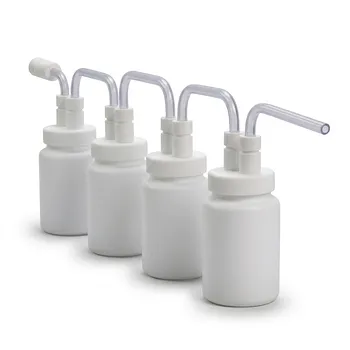
Maximize the purity and yield of your hierarchical zeolite synthesis with KINTEK’s high-performance laboratory supplies. We specialize exclusively in high-performance fluoropolymers, offering everything from everyday basic labware—including beakers, crucibles, and reagent bottles—to specialized PTFE and PFA-lined reactors and trace analysis instruments.
Whether you require standard consumables like stirring bars and filtration tools or complex, custom CNC-fabricated components and electrochemical cells, KINTEK provides end-to-end solutions tailored to your specific research needs. Our commitment to high-purity materials ensures your frameworks remain free from contamination.
Ready to upgrade your lab setup? Contact us today to discuss your custom requirements!
References
- Marisa Ketkaew, Chularat Wattanakit. Nanoceria-modified platinum supported on hierarchical zeolites for selective alcohol oxidation. DOI: 10.1039/c9ra07793f
This article is also based on technical information from Kintek Knowledge Base .
Related Products
- PTFE Lined High Pressure Digestion Vessel 50ml High Temperature Hydrothermal Synthesis Tank
- High Pressure Custom TFM Reactor Stainless Steel Outer Vessel PTFE Inner Cup for Corrosive Synthesis
- High Temperature Corrosion Resistant Hydrothermal Synthesis Reactor with TFM Inner Liner and Straight Cylinder Design
- Custom TFM Reaction Vessel with Stainless Steel Jacket and PTFE Inner Cup for High Corrosion Resistance
- Custom PTFE Reaction System with Hose Barb Fittings Corrosion Resistant High Sealing 2L 4L Lab Reactor with Separatory Funnel
People Also Ask
- What are the benefits of using a PTFE-lined vessel for carbon-sulfur cathode treatment? Maximize Purity & Performance
- Why are PTFE-lined pressure digestion vessels required for the preparation of Ag/CeO2 catalysts? Purity & Performance
- What safety features are typically incorporated into high-pressure PTFE digestion vessel designs? Ensure Lab Safety
- What is the function of high-pressure PTFE digestion vessels in mineral analysis? Optimize Sample Mineralization
- What is the function of PTFE lined high-pressure vessels in g-C3N4 synthesis? Achieve High-Purity Material Growth