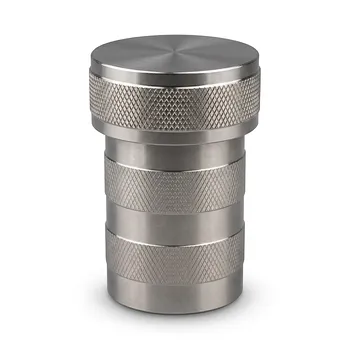
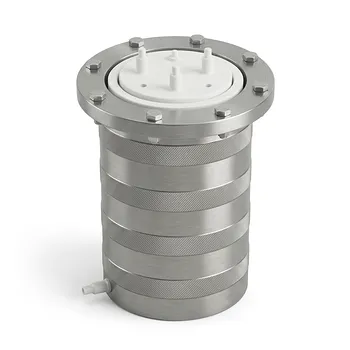
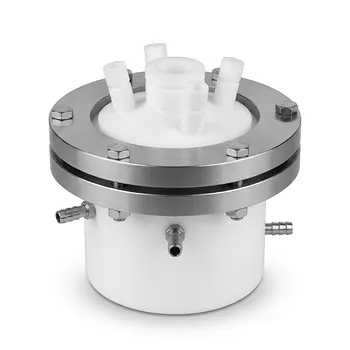
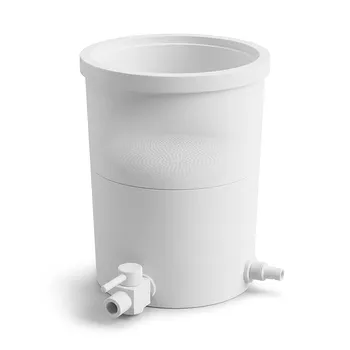
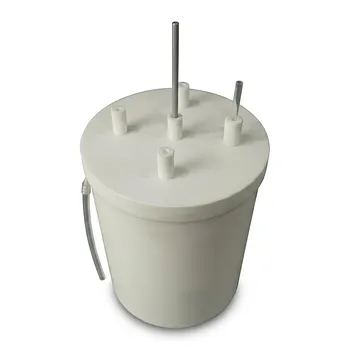
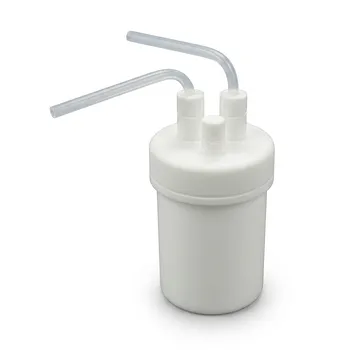
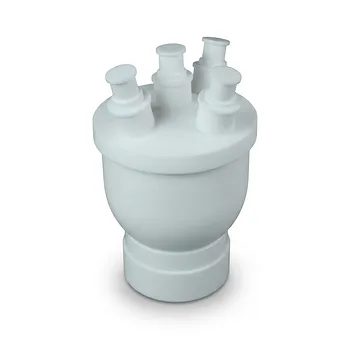
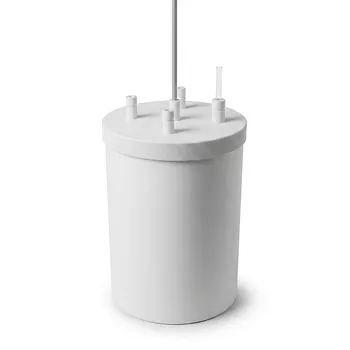
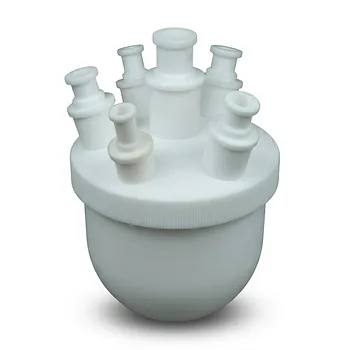
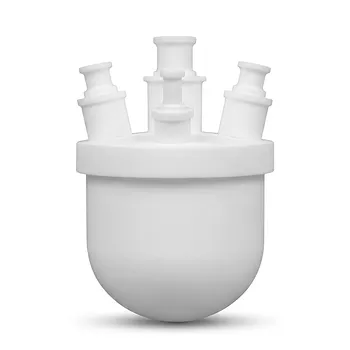
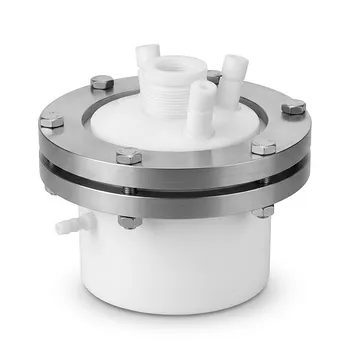
Hydrothermal synthesis reactors and PTFE liners work in tandem to create the extreme environments necessary for the chemical transformation of carbon gels. The reactor provides the critical high-temperature and high-pressure conditions that force activating agents, such as potassium hydroxide (KOH) or phosphoric acid ($H_3PO_4$), into the carbon's structural skeleton. Meanwhile, the Polytetrafluoroethylene (PTFE) liner acts as a chemically inert barrier, protecting the equipment from corrosion and ensuring the carbon material remains free from metallic impurities.
Core Takeaway: The reactor acts as the engine for pore development by enabling high-pressure chemical penetration, while the PTFE liner serves as a vital safeguard that maintains chemical purity and protects the hardware from aggressive activating agents.
The Role of the Reactor in Pore Engineering
Driving Chemical Penetration
The primary function of the hydrothermal reactor is to facilitate the deep penetration of activating agents into the dense carbon skeleton. At elevated temperatures and pressures, the viscosity of the liquid medium changes, allowing agents like KOH to infiltrate the internal structure more effectively.
Generating Microporous Structures
Under these high-pressure conditions, the reaction between the carbon gel and the activating agent is significantly intensified. This process carves out a large volume of micropores, which dramatically increases the specific surface area of the final carbon product.
Controlled Synthesis Environments
The reactor provides a sealed, stable environment that allows for precise control over the activation timeline. This stability is essential for achieving consistent results and specific pore size distributions required for high-performance applications.
The Critical Functions of the PTFE Liner
Extreme Corrosion Resistance
Chemical activation often involves strong bases or concentrated acids that would rapidly degrade a standard stainless steel reactor shell. The PTFE liner is uniquely resistant to nearly all corrosive media, ensuring the system can withstand the harsh chemistry of the activation process.
Preventing Metal Ion Contamination
In many high-tech applications, the purity of the carbon gel is paramount. The liner effectively isolates the reaction medium from the metal autoclave body, preventing the introduction of metal ion impurities that could interfere with the material's functional properties.
Enhancing Product Recovery
PTFE is known for its excellent non-stick properties, which are highly beneficial after the synthesis is complete. This allows for the total recovery of the synthesized carbon samples and simplifies the cleaning process for subsequent experiments.
Understanding the Trade-offs and Limitations
Thermal Boundaries
While PTFE is highly versatile, it has a definite thermal limit, typically around 220°C. Exceeding this temperature can cause the liner to deform or release toxic fumes, meaning researchers must carefully balance the need for heat with the material limits of the liner.
Pressure Sensitivity
The effectiveness of the seal depends on the integrity of the liner's fit within the autoclave. Over time, repeated thermal cycling can lead to liner "creep" or deformation, which may compromise the seal and lead to pressure leaks during sensitive activation phases.
Material Compatibility
While PTFE handles most acids and bases, certain specialized organic solvents or extreme oxidizing agents at high pressures may still affect the liner. It is critical to verify the chemical compatibility of the specific activating agent with PTFE before starting a long-duration synthesis.
How to Apply This to Your Project
Making the Right Choice for Your Goal
- If your primary focus is Maximum Surface Area: Utilize higher pressures within the reactor to ensure the activating agent reaches the innermost parts of the carbon gel.
- If your primary focus is Material Purity: Ensure your PTFE liner is high-purity grade and inspect it regularly for any signs of pitting or staining that could harbor contaminants.
- If your primary focus is High-Temperature Activation: Consider alternative liner materials like PPL (Para-polyphenylene) if your process requires exceeding the standard 220°C limit of PTFE.
By mastering the balance between the reactor's physical power and the liner's chemical protection, you can achieve unprecedented control over the nanostructure of your carbon gels.
Summary Table:
| Component | Primary Role in Activation | Key Performance Benefit |
|---|---|---|
| Hydrothermal Reactor | Provides high-pressure/temp environment | Facilitates deep chemical penetration and micropore generation |
| PTFE Liner | Acts as a chemically inert barrier | Prevents metal contamination and protects hardware from corrosion |
| Combined System | Controlled pore engineering | Ensures consistent surface area and high-purity carbon gel output |
Elevate Your Materials Research with KINTEK’s Fluoropolymer Excellence
Precise carbon gel activation demands equipment that can withstand the harshest chemical environments without compromising purity. At KINTEK, we specialize in high-performance fluoropolymer solutions tailored for advanced laboratory needs. From high-purity PTFE and PFA liners and hydrothermal synthesis vessels to custom-machined microchannel reactors and electrochemical cells, we provide the tools necessary for superior pore engineering.
Whether you need everyday essentials like beakers, crucibles, and tubing or complex, bespoke non-standard parts crafted via our end-to-end custom CNC fabrication, KINTEK delivers unmatched quality backed by an absolute focus on PTFE and PFA performance.
Ready to optimize your synthesis process? Contact us today to discuss your custom laboratory setup or high-volume orders with our engineering experts.
References
- Md Shariful Islam, Muhammad Sarwar Hossain. Carbon gel materials: synthesis, structural design, and emerging applications in energy and environmental technologies. DOI: 10.1039/d5ma00786k
This article is also based on technical information from Kintek Knowledge Base .
Related Products
- PTFE Lined High Pressure Digestion Vessel 50ml High Temperature Hydrothermal Synthesis Tank
- High Temperature Corrosion Resistant Hydrothermal Synthesis Reactor with TFM Inner Liner and Straight Cylinder Design
- High Pressure Custom TFM Reactor Stainless Steel Outer Vessel PTFE Inner Cup for Corrosive Synthesis
- Custom TFM Reaction Vessel with Stainless Steel Jacket and PTFE Inner Cup for High Corrosion Resistance
- Custom PTFE Reaction System with Hose Barb Fittings Corrosion Resistant High Sealing 2L 4L Lab Reactor with Separatory Funnel
People Also Ask
- What are the benefits of using a PTFE-lined vessel for carbon-sulfur cathode treatment? Maximize Purity & Performance
- Why are PTFE-lined pressure digestion vessels required for the preparation of Ag/CeO2 catalysts? Purity & Performance
- What is the function of high-pressure PTFE digestion vessels in mineral analysis? Optimize Sample Mineralization
- What safety features are typically incorporated into high-pressure PTFE digestion vessel designs? Ensure Lab Safety
- What is the function of PTFE lined high-pressure vessels in g-C3N4 synthesis? Achieve High-Purity Material Growth