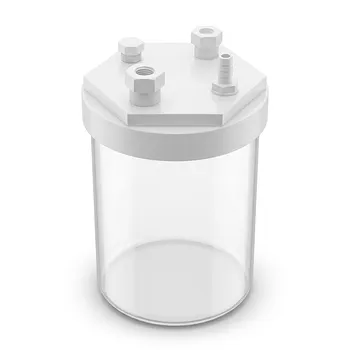
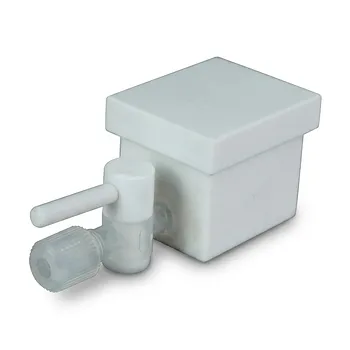
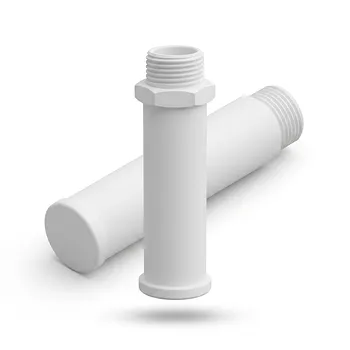
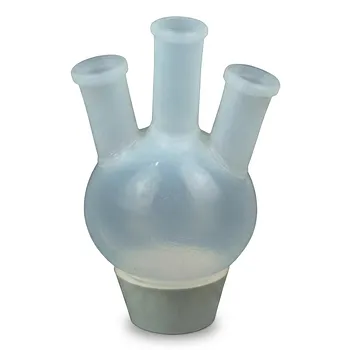
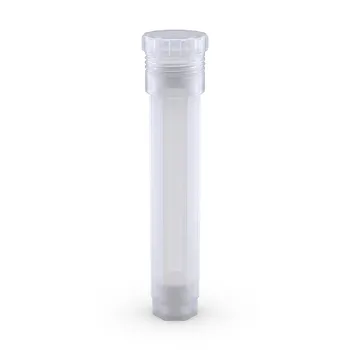
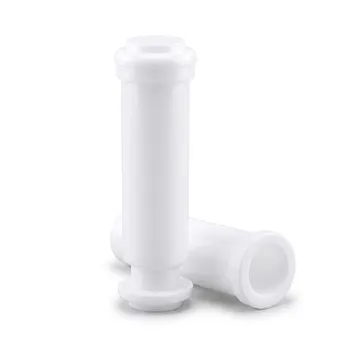
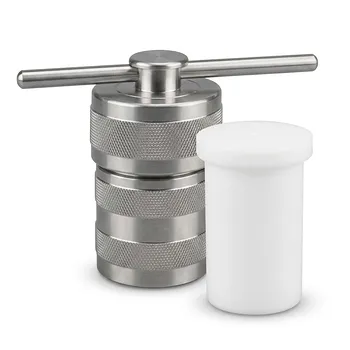
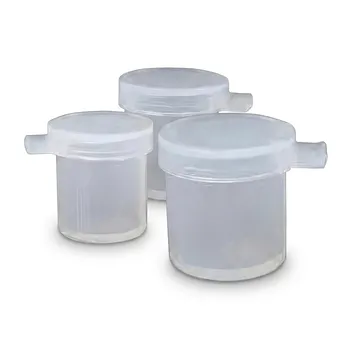
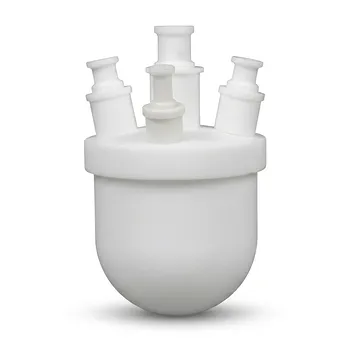
The selection of a reaction vessel is critical for the accuracy of monosaccharide composition analysis. For the acid hydrolysis of polysaccharides, a reaction vessel must be capable of withstanding extreme temperatures and pressures while remaining completely inert to strong acids. These vessels, typically featuring PTFE liners or high-pressure micro-reactor designs, provide the stable, sealed environment necessary to facilitate a complete chemical breakdown without introducing contaminants.
To achieve reliable results in carbohydrate analysis, reaction vessels must balance physical durability with total chemical neutrality. The primary requirement is a sealed, corrosion-resistant environment that prevents the introduction of external ions while maintaining the high-energy conditions required to cleave the polysaccharide backbone.
Ensuring Structural Integrity Under Extreme Conditions
Resistance to High Temperature and Pressure
The acid hydrolysis process requires significant energy to break the glycosidic bonds within a polysaccharide. Reaction vessels must be designed as high-pressure micro-reactors or hydrothermal synthesis reactors to prevent the escape of volatile components. These units must maintain their structural integrity even as internal pressures rise due to high heat and chemical reactions.
Durability Against Strong Acids
The use of concentrated acids creates a highly aggressive environment that would degrade standard laboratory glassware or low-grade metals. Effective vessels utilize materials that are specifically rated for strong corrosion resistance. This ensures the vessel does not pit or fail during the long incubation periods often required for complete hydrolysis.
Maintaining Sample Purity for Identification
The Role of Chemical Inertness
The internal surface of the reactor must be chemically inert to ensure that the vessel itself does not participate in the reaction. Using PTFE (Polytetrafluoroethylene) liners is a standard industry practice because they do not react with the sample or the acid catalyst. This inertness is the primary defense against side reactions that could alter the carbohydrate profile.
Prevention of Metal Ion Contamination
If a vessel is not properly lined, metal ions from the reactor walls can leach into the sample. These ions can interfere with subsequent monosaccharide identification techniques, such as chromatography or mass spectrometry. A high-quality reaction vessel acts as a total barrier, ensuring the integrity of the sample remains uncompromised.
Understanding the Trade-offs
Thermal Lag and Heating Efficiency
While PTFE liners provide excellent chemical resistance, they act as thermal insulators. This can cause a thermal lag, where the internal sample temperature is lower than the oven or heating block setting. Researchers must account for this delay to ensure the sample reaches the required temperature for the full duration of the protocol.
Seal Fatigue and Pressure Limits
Every sealed reactor has a finite number of cycles before the gaskets or seals begin to fail. Mechanical fatigue can lead to subtle pressure leaks, which result in the loss of acid volume or sample concentration changes. Regular inspection of the sealing surfaces is mandatory to prevent inconsistent hydrolysis results.
Selecting the Right Vessel for Your Analysis
When choosing hardware for polysaccharide hydrolysis, your decision should be guided by the specific requirements of your analytes and the scale of your study.
- If your primary focus is high-throughput screening: Utilize high-pressure micro-reactors that allow for multiple simultaneous samples while maintaining individual seal integrity.
- If your primary focus is total sample purity: Prioritize hydrothermal reactors with thick, high-quality PTFE liners to eliminate any risk of metal ion leaching.
- If your primary focus is complex polysaccharide breakdown: Opt for heavy-duty synthesis reactors capable of sustaining the highest temperature and pressure ratings for extended periods.
Choosing a vessel that provides both physical resilience and chemical neutrality is the only way to ensure the absolute accuracy of your monosaccharide composition data.
Summary Table:
| Key Performance Feature | Requirement in Acid Hydrolysis | Recommended Solution |
|---|---|---|
| Pressure Resistance | Prevents escape of volatiles and vessel failure | High-pressure micro-reactors |
| Chemical Inertness | Prevents sample contamination and side reactions | High-purity PTFE/PFA liners |
| Corrosion Resistance | Withstands concentrated acids (HCl, TFA, etc.) | Fluoropolymer-lined vessels |
| Thermal Stability | Maintains integrity during high-heat incubation | Hydrothermal synthesis reactors |
| Seal Integrity | Prevents acid loss and concentration shifts | Precision-machined gaskets and caps |
Elevate Your Analytical Precision with KINTEK’s Fluoropolymer Expertise
Achieving accurate monosaccharide composition analysis starts with the right hardware. At KINTEK, we specialize in high-performance laboratory supplies crafted exclusively from PTFE and PFA to ensure total chemical neutrality and resilience.
From everyday basic labware like beakers, reagent bottles, and digestion tubes to advanced hydrothermal synthesis liners, microwave digestion vessels, and custom-machined micro-reactors, our products are designed to withstand the most aggressive acid hydrolysis environments. Whether you need standard consumables or bespoke laboratory setups via our end-to-end custom CNC fabrication, we deliver the reliability your research demands.
Don't let vessel contamination compromise your data. Contact our experts today to find the perfect high-purity solution for your laboratory!
References
- Sheng-qi Jiang, Yong Lin. Ultrasound‐Assisted Ionic Liquid Extraction of Polysaccharides From <i>Crataegus songarica</i> K. Koch Fruits: Structural Characterization and Antioxidant Activity. DOI: 10.1002/cbdv.202402386
This article is also based on technical information from Kintek Knowledge Base .
Related Products
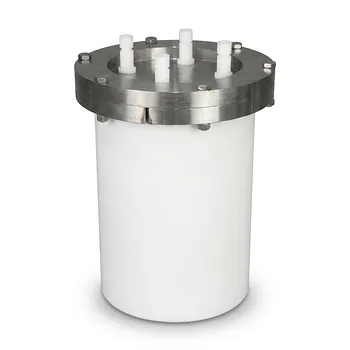
- PTFE Hydrofluoric Acid Dilutor and Corrosion Resistant Reaction Vessel with Flange Sealing White PTFE Raw Material Storage Barrel
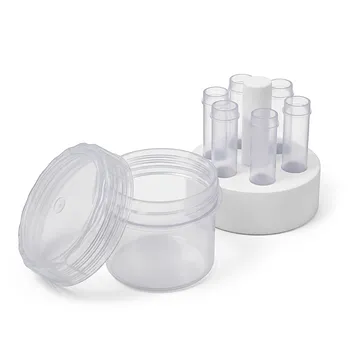
- High Purity Corrosion Resistant PFA Reaction Vessel with PTFE Holder and Integrated Sampling Tube for Trace Analysis
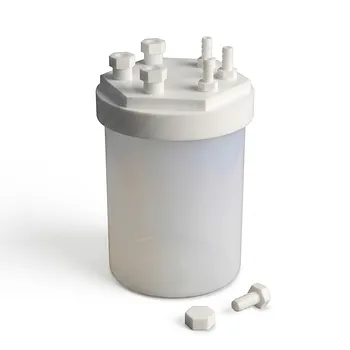
- PFA Chemical Reaction Tank with Customizable Fittings for Corrosive Solvent Synthesis and High Purity Lab Applications
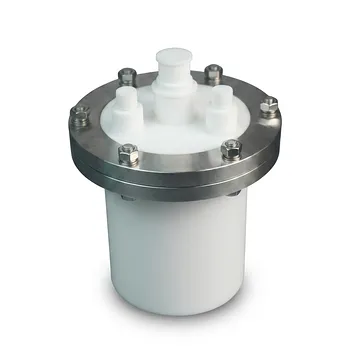
- Custom PTFE Reaction Kettle 2L Flanged Fluoropolymer Reactor Tank Acid and Alkali Resistant Polytetrafluoroethylene Vessel
- Custom 100ml PTFE Digestion Tube for Heavy Metal Trace Analysis and High Temperature Acid Digestion
People Also Ask
- What reaction vessel and fluid handling considerations are necessary for living cationic polymerization of fluorinated monomers involving Lewis acid catalysts? Key design and safety tips
- Why are PTFE-lined reaction vessels necessary for alkali stability tests? Ensure accurate ionomer degradation data.
- How do magnetic stirring and reaction vessels impact MOF-derived carbon quality? Optimize Your Composite Performance
- Why are PTFE-lined reaction vessels necessary for forced degradation studies? Ensure high-purity results and accuracy.
- What is the role of high chemical inertness reaction vessels in the organic synthesis of acylhydrazone ligands? | Guide