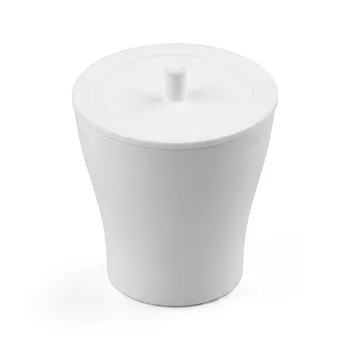
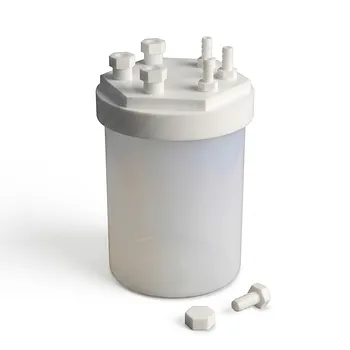
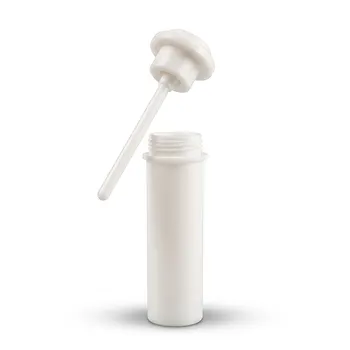
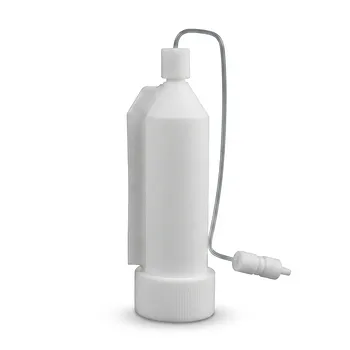
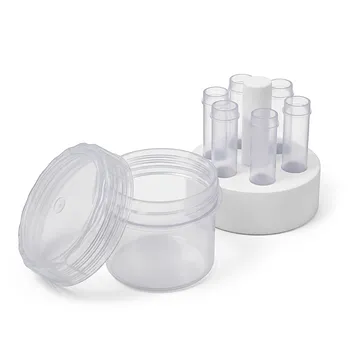
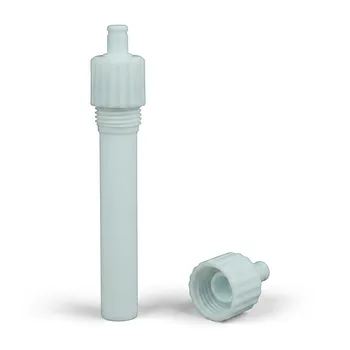
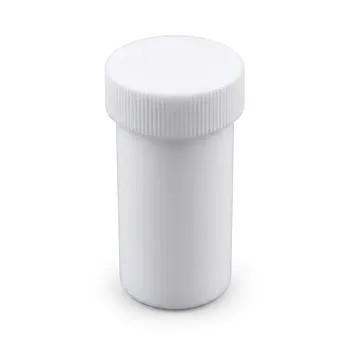
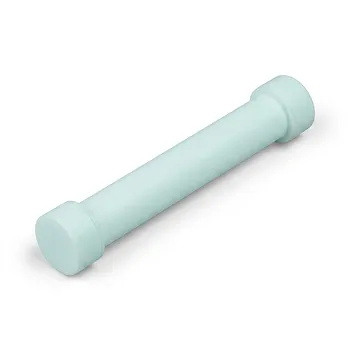
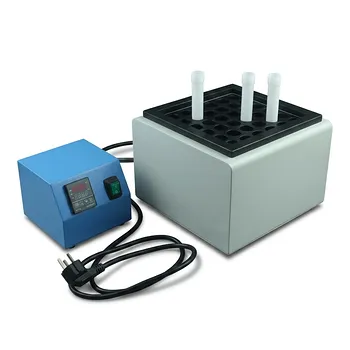
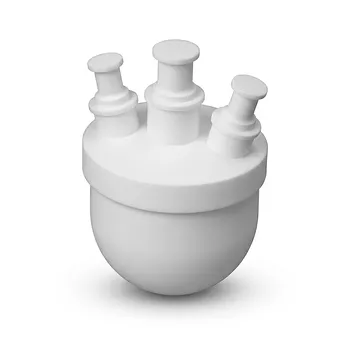
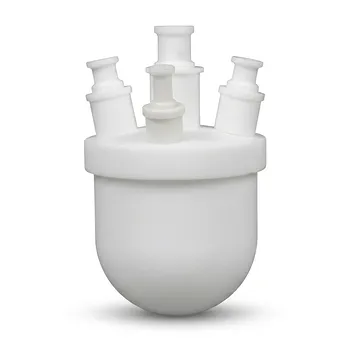
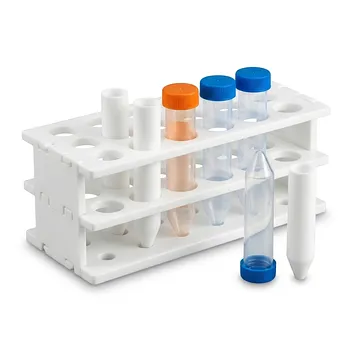
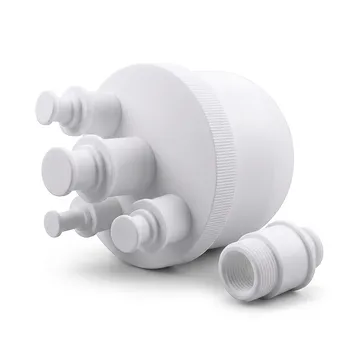
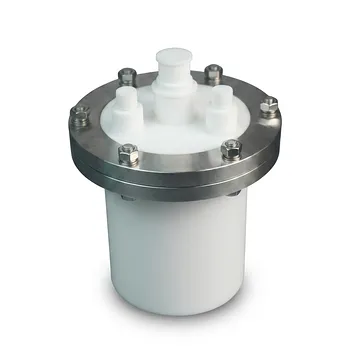
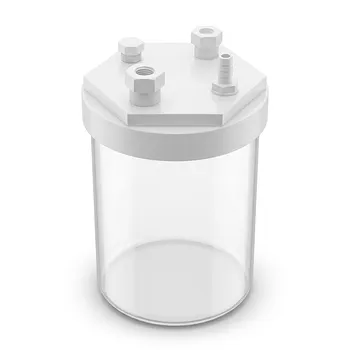
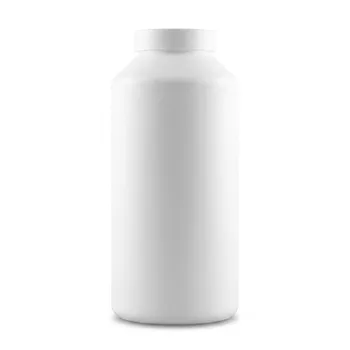
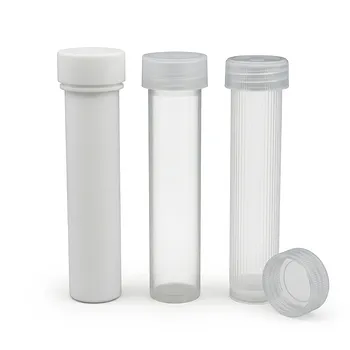
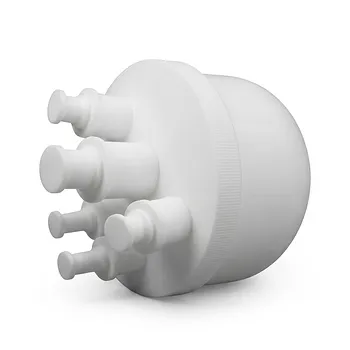
Increasing fluorine content generally improves the performance of chemical digestion vessels and high-purity laboratory labware by increasing chemical inertness, thermal stability, and resistance to permeation. Highly fluorinated materials such as PTFE, PFA, and FEP can withstand aggressive acids, solvents, elevated temperatures, and demanding digestion conditions while minimizing contamination, adsorption, and sample loss. They also provide low-friction, non-stick surfaces that support cleaner handling and more reproducible analysis.
The main advantage of higher fluorine content is control: the vessel is less likely to react with the sample, release impurities, absorb analytes, or allow volatile components to escape through its walls.
Why Fluorine Content Matters in Laboratory Materials
Fluorine strengthens chemical inertness
Fluorine forms highly stable bonds within fluoropolymer structures. As fluorine substitution increases, the material generally becomes less reactive toward concentrated mineral acids, aggressive solvents, oxidizing chemicals, and other demanding reagents.
This is especially important in microwave digestion, where chemicals are exposed to heat and pressure simultaneously. Fully fluorinated materials such as PTFE and PFA are therefore widely used for digestion vessels, liners, reagent bottles, and trace-analysis containers.
Fluorinated surfaces resist chemical attack
High fluorine content helps prevent erosion, swelling, embrittlement, and chemical degradation of the vessel wall. This preserves the vessel’s physical integrity and reduces the risk that the container itself will affect the digestion chemistry.
The benefit is not limited to vessel life. A chemically stable surface is less likely to contribute extractables or leachable contaminants to a high-purity sample.
Performance Advantages During Chemical Digestion
Greater resistance to heat, acids, and pressure
Increasing fluorine content generally improves thermal stability and, within related polymer families, can increase melting temperature and usable temperature capability. This allows highly fluorinated vessels and liners to tolerate concentrated acids under elevated-temperature digestion conditions.
The material must still be selected according to the manufacturer’s pressure, temperature, and chemical compatibility limits. Fluorination improves resistance, but it does not eliminate the need for safe operating limits.
Reduced permeation and volatile loss
Highly fluorinated polymers provide improved resistance to chemical permeation through the vessel wall. This helps retain volatile analytical components and reduces the likelihood that aggressive reagents or dissolved species will migrate into or through the material.
For closed-vessel digestion, this property supports more consistent sample composition and reduces losses that could otherwise affect quantitative results.
Better resistance to flame and environmental exposure
Higher fluorine content generally increases flame resistance and resistance to environmental weathering. These characteristics can improve durability in laboratories where materials encounter heat, chemical vapors, or repeated exposure to demanding operating conditions.
For digestion systems, chemical and thermal stability are usually the primary concerns, while flame and weathering resistance provide additional material robustness.
Why High-Purity Labware Produces Cleaner Results
Lower adsorption reduces analyte loss
Highly fluorinated materials have low surface energy and very low surface adsorption characteristics. Trace metals and other analytes are less likely to adhere to the vessel wall instead of remaining in the solution.
This matters when measuring micro- or trace-level concentrations. Even small losses to the container can create a significant bias when the analyte is present at very low levels.
Non-stick surfaces reduce cross-contamination
The low surface energy and low coefficient of friction of fluoropolymers create smooth, non-stick surfaces. Samples, residues, and organic matter are less likely to remain after use or transfer between handling steps.
This is valuable for trace-element digestion, reagent storage, pipette tips, tubing, valves, and other components where residual material could contaminate a subsequent sample.
Lower leaching protects sample purity
A chemically inert, high-purity fluoropolymer is less likely to release material into concentrated acids, solvents, or digested samples. This reduces background contamination and helps maintain the purity needed for sensitive analytical measurements.
The resin grade and manufacturing process remain important. A fluoropolymer component can still introduce contamination through additives, processing residues, surface treatment, or poor cleaning.
Electrical and Handling Benefits
Lower dielectric properties reduce electrical interference
As fluorine content increases, the dielectric constant and dissipation factor generally decrease, while surface and volume resistivity increase. These properties provide stronger electrical insulation and lower dielectric losses.
This can be useful in laboratory systems that combine high-purity fluid handling with sensors, microwave energy, electrochemical measurements, or other electrically sensitive equipment.
Lower friction supports smoother fluid handling
The reduced coefficient of friction enables smoother sliding and lower adhesion in valves, fittings, tubing, and moving interfaces. It can help reduce flow resistance and make components easier to operate or clean.
This benefit is particularly relevant when fluid-transfer components must handle corrosive reagents without introducing particles or residues.
Choosing Between Common Highly Fluorinated Materials
PTFE for maximum inertness
PTFE provides exceptional chemical resistance, low friction, and low surface energy. It is well suited to liners, digestion vessels, seals, tubing, and other applications where chemical inertness is the dominant requirement.
Its processing characteristics and mechanical behavior must be considered when designing complex shapes or components subject to sustained loads.
PFA for purity and fabricated vessels
PFA combines high chemical resistance with melt-processability, making it suitable for bottles, digestion vessels, liners, tubing, and other formed laboratory components. It is commonly selected when a high-purity fluoropolymer must be shaped into more complex or transparent parts.
PFA is particularly useful where low adsorption and low trace-element background are central requirements.
FEP for chemically resistant, processable components
FEP offers strong chemical resistance and non-stick behavior while being melt-processable. It can be appropriate for tubing, liners, films, and components requiring a balance of fluoropolymer performance and manufacturing flexibility.
The right choice depends on the exact temperature, pressure, chemical, and mechanical requirements rather than fluorine content alone.
Understanding the Trade-offs
Mechanical strength may be somewhat lower
Higher fluorination can reduce certain mechanical properties, including basic strength or cut-through resistance, depending on the polymer and formulation. This may matter in load-bearing, wear-intensive, or mechanically constrained apparatus.
A highly inert material may therefore need structural support, a suitable wall thickness, or a different polymer grade.
Temperature capability is not determined by fluorine alone
Greater fluorine content generally improves thermal stability, but the practical operating limit depends on polymer structure, crystallinity, component geometry, pressure, and exposure time. A material’s maximum melting temperature is not the same as its recommended continuous-use temperature.
Application-specific data from the material supplier should govern vessel selection.
Fluoropolymer purity varies by product
“PTFE,” “PFA,” or “FEP” identifies a polymer family, not necessarily a guaranteed trace-analysis grade. Reagent-contact components should be evaluated for resin purity, manufacturing controls, extractables, leachables, cleaning procedures, and lot-to-lot consistency.
Surface performance does not replace proper cleaning
Low adsorption reduces residue retention, but it does not make contamination impossible. Strongly retained residues, particulates, or poorly controlled handling can still affect results.
Validated cleaning and blank testing remain necessary for high-sensitivity work.
Making the Right Choice for Your Goal
The most effective selection matches fluoropolymer properties to the analytical risk being controlled.
- If your primary focus is chemical digestion: Choose a high-purity PTFE or PFA vessel designed for the required acid combination, temperature, pressure, and digestion method.
- If your primary focus is trace-element accuracy: Prioritize low-adsorption, low-leaching resin grades and validate the complete vessel system with reagent blanks.
- If your primary focus is volatile-component retention: Select a material and vessel design with strong permeation resistance, then verify closure performance under actual digestion conditions.
- If your primary focus is fluid transfer: Use highly fluorinated tubing, valves, or fittings where low friction, low adhesion, and chemical inertness reduce residue and handling problems.
- If your primary focus is mechanical durability: Balance fluorine-related chemical performance with strength, cut-through resistance, support structure, and expected wear.
Higher fluorine content is most valuable when it is paired with the right polymer grade, vessel design, purity standard, and operating controls for the analytical method.
Summary Table:
| Advantage | Description |
|---|---|
| Chemical Inertness | Resists aggressive acids, solvents, and oxidizers, preventing reactions and contamination. |
| Thermal Stability | Withstands elevated temperatures, maintaining integrity during digestion processes. |
| Permeation Resistance | Reduces volatile loss and prevents migration of reagents through vessel walls. |
| Low Adsorption | Minimizes analyte loss by preventing adhesion to surfaces, crucial for trace analysis. |
| Non-Stick Surface | Reduces cross-contamination and residue retention, simplifying cleaning. |
| Low Leaching | Prevents release of impurities, ensuring sample purity. |
| Electrical Insulation | High resistivity avoids interference in electrically sensitive applications. |
| Low Friction | Facilitates smoother fluid handling and easier component operation. |
Ready to enhance the purity and reliability of your lab analyses? At KINTEK, we specialize in high-performance fluoropolymers, offering a comprehensive range of PTFE and PFA labware, from digestion vessels and reagent bottles to custom machined parts and fluid handling components. Our products are designed to maximize chemical resistance, minimize contamination, and deliver consistent results. Contact us today to discuss your specific needs and experience the KINTEK advantage! Contact us now.
Related Products
- High Purity 30ml PTFE Corrosion Resistant Fluoropolymer Crucible with Graphite Heating Block Compatibility
- PFA Chemical Reaction Tank with Customizable Fittings for Corrosive Solvent Synthesis and High Purity Lab Applications
- Custom TFM Microwave Digestion Vessels for ICP-OES Analysis High Purity Fluoropolymer Sample Preparation Labware
- Corrosion Resistant PTFE Digestion Bottle Solid Liquid Reaction Vessel High Purity Trace Analysis Mineral Labware
- High Purity Corrosion Resistant PFA Reaction Vessel with PTFE Holder and Integrated Sampling Tube for Trace Analysis
People Also Ask
- Why Are High-Purity Fluoropolymer Vessels and Tubing Critical for Trace Analysis? Prevent Contamination Reliably
- Why is strict environmental sealing necessary for open-cage fluorinated silanols with dichlorosilanes? Discover custom PTFE/PFA vessel solutions
- What fundamental chemical properties make PTFE the material of choice for high-temperature chemical digestion vessels and aggressive reaction apparatus? Discover its chemical inertness and thermal stability.
- Why are PFA and PTFE fluoropolymer vessels preferred over glass for microwave digestion and high-purity sample preparation involving fluorinated reagents? Discover the key advantages for trace analysis.
- Why use a high-pressure digestion vessel for hematite transformation? Ensure High Purity and Acid Resistance.