Heat-activated persulfate degrades PFOA through oxidative chain shortening and defluorination. At elevated temperatures, persulfate generates reactive sulfate radicals that attack PFOA, promote decarboxylation, and sequentially cleave CF2 units from the perfluorinated chain. Under conditions such as approximately 85°C, this process can achieve more than 93% PFOA degradation, producing shorter-chain perfluorocarboxylic acids and releasing fluoride ions.
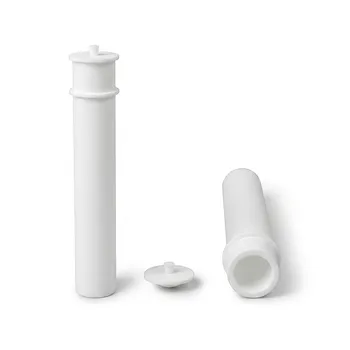
The degradation pathway is progressive rather than instantaneous: PFOA is converted into shorter-chain perfluorocarboxylic acids before further transformation and fluoride release. High-purity PFA and PTFE vessels protect this chemistry and the resulting measurements by resisting corrosive, high-temperature matrices while minimizing silica, container, and sample-loss effects.
How Heat-Activated Persulfate Attacks PFOA
Thermal activation generates reactive oxidants
Persulfate is relatively stable at moderate temperatures, but heating activates the persulfate ion and produces sulfate radicals. These radicals are strong oxidants capable of initiating reactions with highly stable fluorinated compounds.
The process depends on maintaining sufficient temperature, oxidant availability, reaction time, and contact between the aqueous PFOA and activated persulfate.
PFOA undergoes stepwise chain shortening
PFOA contains a perfluorinated carbon chain terminated by a carboxylic acid group. Persulfate-driven oxidation attacks the molecule in stages, with the carboxyl end serving as the starting point for decarboxylation and carbon-chain shortening.
Rather than removing all fluorine in one reaction, the system sequentially cleaves CF2 units. This produces a series of shorter-chain perfluorocarboxylic acids.
Shorter-chain intermediates are formed
The reported products include perfluoroheptanoic acid, perfluorohexanoic acid, perfluoropentanoic acid, and perfluorobutanoic acid. Their presence indicates that PFOA degradation proceeds through identifiable intermediate stages.
These intermediates matter analytically because measuring only the disappearance of PFOA can overstate treatment effectiveness. A complete assessment should also examine shorter-chain products and fluoride formation.
Defluorination releases fluoride ions
As the carbon-fluorine structure is progressively broken down, some fluorine is released as fluoride ions. Fluoride release provides evidence of mineralization beyond simple conversion of PFOA into another organic fluorochemical.
However, PFOA loss, intermediate formation, and fluoride recovery are separate measurements. They should be interpreted together when evaluating the completeness of degradation.
Why Vessel Material Changes the Experiment
Glass and quartz can introduce fluorine-related interference
Fluorinated solutions heated in borosilicate glass or quartz may interact with silica-containing surfaces. Under suitable chemical conditions, this can contribute to silicon tetrafluoride formation or promote surface-catalyzed side reactions.
These effects can change the apparent reaction behavior and complicate interpretation, particularly when fluoride or fluorochemical products are being measured at low concentrations.
PFA and PTFE resist aggressive reaction matrices
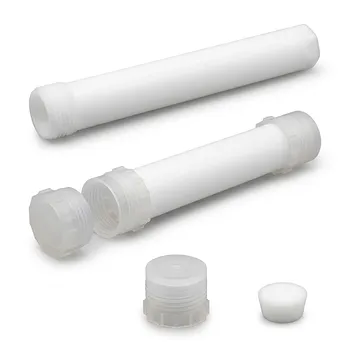
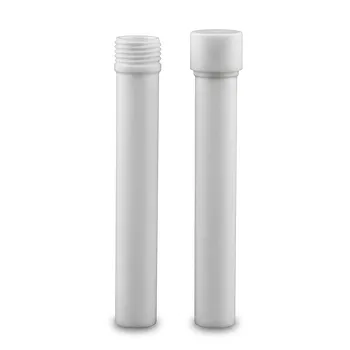
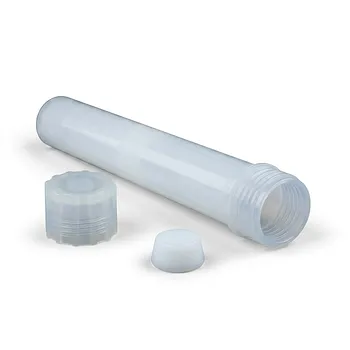
High-purity PFA and PTFE are chemically inert toward many strong acids and oxidizing digestion mixtures. They are therefore suitable for sealed thermal reactions, microwave-assisted digestion, and related sample-preparation workflows.
Their resistance helps preserve vessel integrity when samples contain persulfate, nitric acid, hydrochloric acid, or other harsh reagents.
Fluoropolymer vessels reduce contamination pathways
High-purity vessels have low impurity leaching and avoid the silica contribution associated with glass-based materials. This helps reduce secondary contamination and matrix changes during thermal preparation.
The benefit is especially important for trace analysis, where a small vessel-derived contribution can become significant relative to the target concentration.
Non-stick surfaces reduce sample loss
PFA and PTFE surfaces have low adhesion and can reduce adsorption of analytes or digestion products onto vessel walls. This helps keep the processed fluorochemical in the liquid phase and improves recovery during transfer.
The same property is valuable in trace-element digestion, where wall adsorption and vessel-derived impurities can bias measurements.
How Vessels Support Thermal Sample Preparation
Sealed vessels maintain controlled conditions
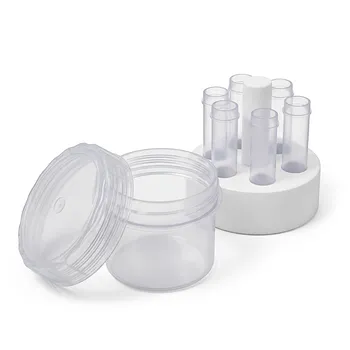
Microwave digestion vessels and sealed reaction containers allow heating under controlled pressure. A sealed environment limits acid mist loss, reduces exposure to external contaminants, and helps maintain the intended reagent concentration.
For PFOA degradation studies, consistent containment also improves comparison between temperature, time, and persulfate-dose conditions.
The vessel protects the analytical blank
A vessel is part of the analytical system, not merely a passive container. Its surface chemistry, cleanliness, and leachable background can affect blank values and apparent recovery.
High-purity PFA or PTFE helps establish a lower and more predictable background, provided the vessel is properly cleaned and verified for the target application.
Material selection must match the temperature profile
Both PTFE and PFA are generally suitable for laboratory use up to approximately 260°C continuous service, well above an 85°C persulfate degradation condition. PFA has a melting range of roughly 302-310°C, while PTFE melts at approximately 320-340°C.
These melting points are not operating limits. Pressure, mechanical design, reagent compatibility, heating rate, vessel geometry, and the manufacturer's rated conditions must determine the actual working temperature.
Understanding the Trade-offs
High chemical resistance does not eliminate method validation
PFA and PTFE reduce several contamination and adsorption risks, but they do not guarantee accurate results by themselves. Vessel blanks, recovery tests, cleaning procedures, and matrix-matched validation remain necessary.
A vessel that is chemically compatible with the reagents can still be unsuitable if it has been previously exposed to fluorochemicals or is not clean enough for the required detection limit.
Fluoropolymer background requires attention in PFAS work
Because PFA and PTFE are fluorinated polymers, laboratories should evaluate whether the selected vessel, liner, seals, or accessories can contribute relevant background to a PFAS method. The primary advantage of these vessels is their resistance to harsh chemistry and low impurity leaching, but material compatibility must be demonstrated experimentally.
This is particularly important when the target concentrations are near the method blank or when multiple fluorinated compounds are measured simultaneously.
Thermal stability has practical limits
Neither PFA nor PTFE should be treated as indefinitely stable at any temperature. Prolonged exposure to extreme temperatures can cause decomposition, and PFA can undergo degradation or cross-linking through reactive end groups under sufficiently severe conditions.
For routine digestion and persulfate reactions, staying within the vessel manufacturer's pressure and temperature specifications is more important than relying on the polymer's melting or decomposition threshold.
PFOA disappearance is not the same as complete destruction
A reduction in measured PFOA may reflect conversion into shorter-chain perfluorocarboxylic acids rather than complete mineralization. Those products may remain persistent and analytically relevant.
A defensible degradation study should therefore track parent PFOA, shorter-chain intermediates, and fluoride release where practical.
Making the Right Choice for Your Goal
Choose the vessel and analytical measurements according to the result you need to defend.
- If your primary focus is PFOA degradation kinetics: Use a controlled, sealed thermal system with high-purity PFA or PTFE, and measure PFOA together with shorter-chain intermediates and fluoride.
- If your primary focus is trace-level analytical accuracy: Prioritize low-background, low-leaching vessels, rigorous vessel cleaning, and method blanks that reflect the complete sample-preparation workflow.
- If your primary focus is aggressive acid or oxidant digestion: Select PFA or PTFE vessels rated for the combined temperature, pressure, and reagent conditions rather than temperature alone.
- If your primary focus is preventing sample loss: Use the non-stick fluoropolymer surface to reduce wall adsorption, while confirming recovery through fortified sample and vessel-rinse tests.
The reliable approach is to treat persulfate chemistry, reaction temperature, vessel material, and analytical verification as one integrated sample-preparation system.
Summary Table:
| Aspect | Details |
|---|---|
| Activation Temperature | ~85°C for >93% PFOA degradation |
| Degradation Mechanism | Sulfate radical attack, decarboxylation, sequential CF2 cleavage |
| Intermediates | Shorter-chain PFCAs (PFHpA, PFHxA, PFPeA, PFBA) |
| Defluorination | Releases fluoride ions; indicates mineralization |
| Vessel Material | High-purity PFA/PTFE resist corrosion, minimize leaching and adsorption |
| Analytical Considerations | Track parent PFOA, intermediates, and fluoride; validate blanks and recovery |
Optimize your PFAS analysis with high-purity PFA and PTFE vessels from KINTEK. Our fluoropolymer labware ensures reliable, contamination-free sample preparation for thermal degradation studies. From digestion vessels to custom machined parts, we support your exact needs. Contact us today to discuss your requirements and enhance your analytical accuracy.
Related Products
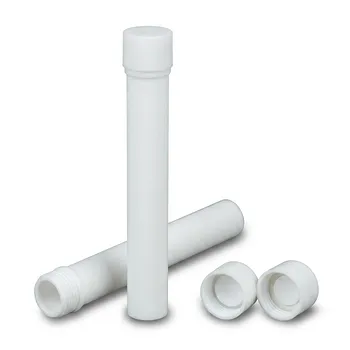
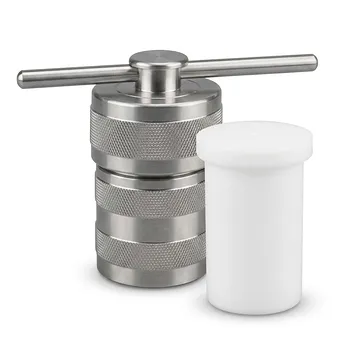
- High Purity Laboratory Microwave Digestion Vessel Customizable PFA PTFE Digestion Tank for Analytical Sample Preparation Trace Metal Analysis
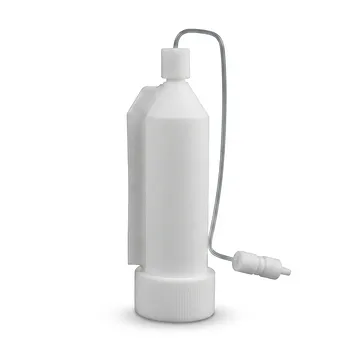
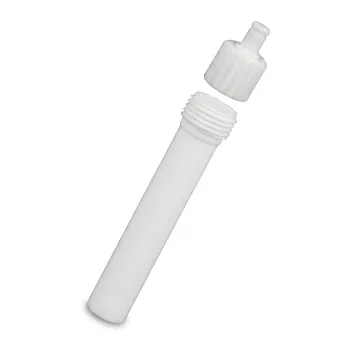
- High Purity Corrosion Resistant PFA Reaction Vessel with PTFE Holder and Integrated Sampling Tube for Trace Analysis
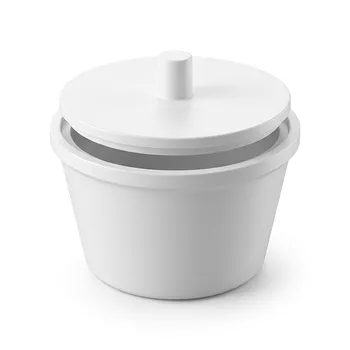
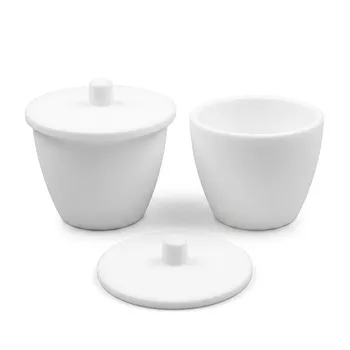
- Custom High Purity PTFE Microwave Digestion Vessels and Graphite Block Compatible Acid Evaporation Tanks for Trace Metal Analysis
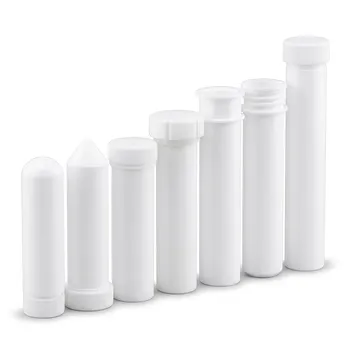
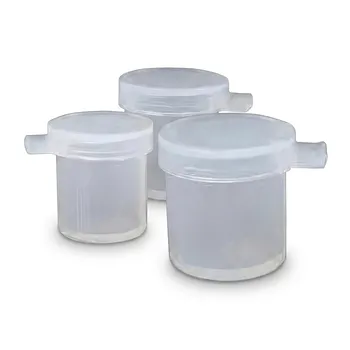
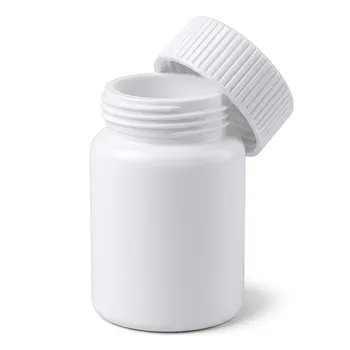
- High Purity PTFE PFA Microwave Digestion Vessels Custom Acid Digestion Tanks for Laboratory Sample Preparation
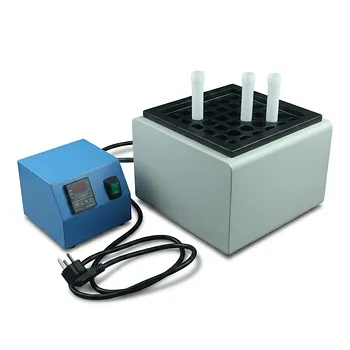
- High Purity PTFE Microwave Digestion Vessels for 44 Position Systems Trace Analysis Acid Digestion and Evaporation
People Also Ask
- What are the advantages of using microwave digestion vessels for environmental analysis? Boost speed and sample accuracy.
- What safety features are commonly integrated into microwave digestion vessels? Ensuring High-Pressure Laboratory Safety
- What are the advantages of using microwave digestion vessels? Optimize EG@MO synthesis with superior thermal control.
- How do microwave digestion vessels support pharmaceutical elemental impurity testing? Achieve Precise USP Compliance
- Which safety mechanisms are typically integrated into high-precision microwave digestion vessels? A Complete Safety Guide