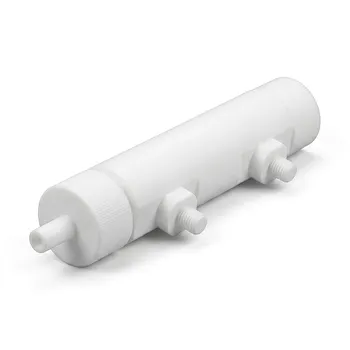
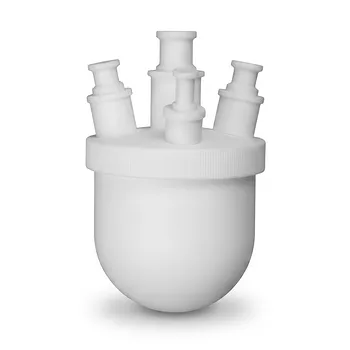
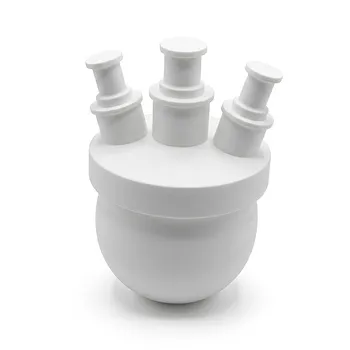
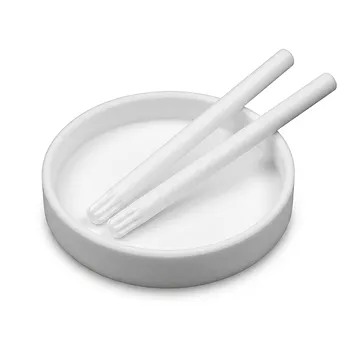
High-purity PTFE and PFA laboratory vessels are technically necessary for $Tm_2Cu_2O_5$ preparation because they provide a chemically inert environment that eliminates the risk of trace element leaching. During the synthesis of precursor solutions involving thulium and copper salts, these fluoropolymers prevent the introduction of metallic impurities from the container walls. This preservation of chemical purity is critical for maintaining the specific crystal structure and visible-light photocatalytic efficiency of the final oxide.
The use of high-performance fluoropolymers ensures that the atomic-level stoichiometry of the $Tm_2Cu_2O_5$ precursor remains uncontaminated. By preventing the leaching of foreign ions and the adhesion of active materials, these vessels protect the integrity of the photocatalyst’s electronic structure.
The Role of Chemical Inertness in Precursor Stability
Eliminating Trace Metal Leaching
Standard laboratory glassware, such as borosilicate, can release silicon, boron, or sodium ions when exposed to the acidic or reactive metal salt solutions used in $Tm_2Cu_2O_5$ synthesis. High-purity PTFE (polytetrafluoroethylene) and PFA (perfluoroalkoxy) possess extremely strong carbon-fluorine bonds that resist this type of chemical erosion. Using these materials ensures that no unintended metal ions interfere with the precise copper-to-thulium ratios required for the catalyst.
Resistance to Corrosive Reagents
The preparation of transition metal and rare-earth precursors often requires acidic solvents or specific reducing agents to keep the ions in solution. PFA and PTFE maintain their structural integrity even when heated or exposed to aggressive chemical environments. This prevents the degradation of the vessel surface, which would otherwise introduce organic or inorganic contaminants into the precursor slurry.
Maintaining Stoichiometric Precision
Even minute concentrations of impurities can act as recombination centers for electron-hole pairs, significantly reducing the photocatalytic performance of $Tm_2Cu_2O_5$. By using fluoropolymer containers, researchers ensure that the active site density and atomic dispersion of the copper and thulium components are preserved exactly as intended. This level of control is essential for achieving reproducible results in high-performance materials science.
Surface Properties and Efficiency
Preventing Material Adhesion
Fluoropolymers are characterized by extremely low surface energy, which creates a "non-stick" environment for the precursor solution. This property prevents the active nanoparticles or metal salts from adhering to the container walls during the mixing or heating phases. Ensuring that the entire volume of the precursor remains in the solution is vital for maintaining the correct concentration of the catalyst.
Solvent Compatibility under Thermal Stress
In many photocatalyst synthesis protocols, organic solvents like ethanol are used under heating conditions to facilitate ion exchange or coordination. PFA and PTFE remain stable in these environments, unlike standard plastics which may leach plasticizers or degrade. This thermal and chemical stability ensures that the surface purity of the $Tm_2Cu_2O_5$ remains uncompromised during the transition from solution to solid-state catalyst.
Understanding the Trade-offs
Thermal and Mechanical Limitations
While PTFE and PFA offer superior chemical resistance, they have lower thermal limits than quartz or specialty ceramics. PTFE typically should not be used above 260°C, and PFA slightly lower, which means they are suitable for precursor preparation but not for high-temperature calcination. Researchers must transition the dried precursors to high-heat crucibles for the final sintering of the $Tm_2Cu_2O_5$ crystal.
Cost and Handling Considerations
High-purity fluoropolymer labware is significantly more expensive than standard glass or disposable plastics. Additionally, these materials can be prone to static charge accumulation, which may cause dry precursor powders to jump or cling to the sides during transfer. Proper grounding and cleaning protocols are required to manage these physical characteristics without introducing new contaminants.
Making the Right Choice for Your Goal
When selecting laboratory vessels for the synthesis of advanced photocatalysts like $Tm_2Cu_2O_5$, consider the specific requirements of your workflow:
- If your primary focus is maximum photocatalytic activity: Use high-purity PFA beakers and stirring bars for all liquid-phase mixing to ensure no trace metal ions degrade the electronic properties.
- If your primary focus is precise stoichiometry and yield: Prioritize PTFE vessels for their low surface energy to prevent the loss of thulium or copper ions to the container walls.
- If your primary focus is cost-effective scale-up: Limit the use of fluoropolymers to the initial precursor mixing stage where salt solutions are most reactive, moving to standard materials only after the solution is stabilized.
By strictly controlling the chemical environment during precursor preparation, you ensure that the resulting $Tm_2Cu_2O_5$ functions at its theoretical peak for visible-light applications.
Summary Table:
| Feature | Technical Advantage | Impact on Tm2Cu2O5 |
|---|---|---|
| Chemical Inertness | Prevents trace metal leaching (Si, B, Na) | Protects crystal structure & purity |
| Low Surface Energy | Non-stick "fluoropolymer" surface | Maintains stoichiometry & yield |
| Corrosion Resistance | Withstands acidic metal salt solutions | Prevents organic/inorganic contaminants |
| Thermal Stability | Reliable performance up to 260°C | Safe for solution-phase synthesis |
Secure the Purity of Your Research with KINTEK
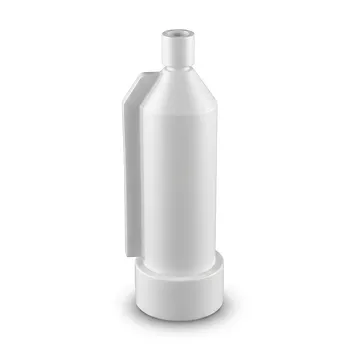
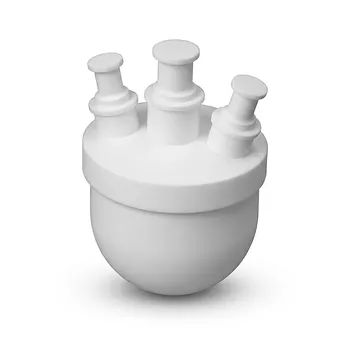
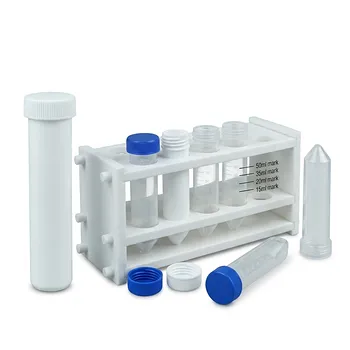
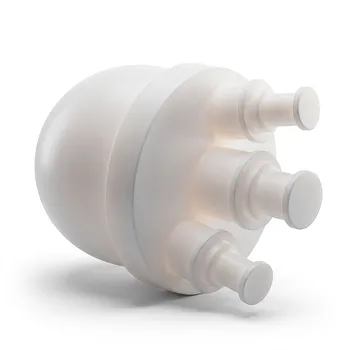
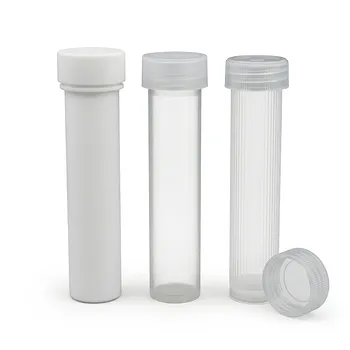
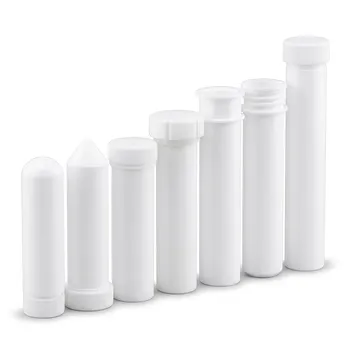
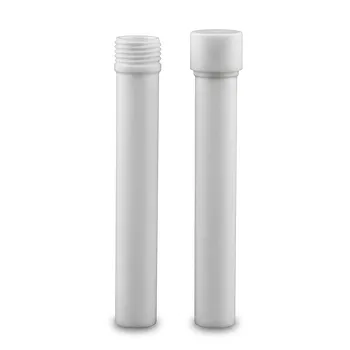
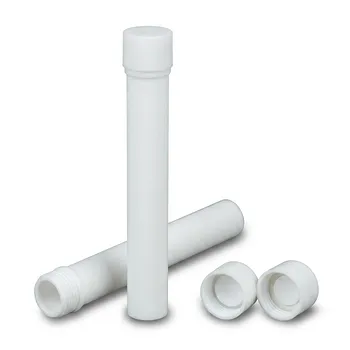
Don't let trace contaminants compromise your photocatalytic performance. KINTEK specializes in high-performance fluoropolymer solutions tailored for advanced materials science. Whether you need standard PTFE beakers, PFA reagent bottles, and centrifuge tubes, or complex custom CNC-machined parts and reaction apparatus, we provide the inert environment your $Tm_2Cu_2O_5$ synthesis demands.
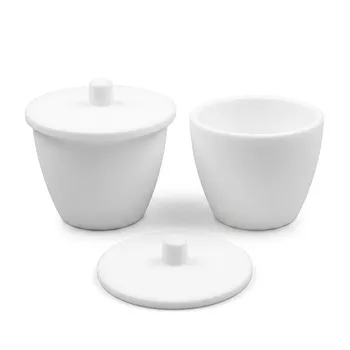
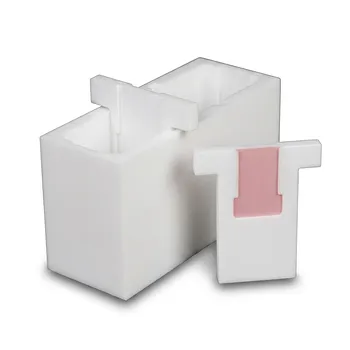
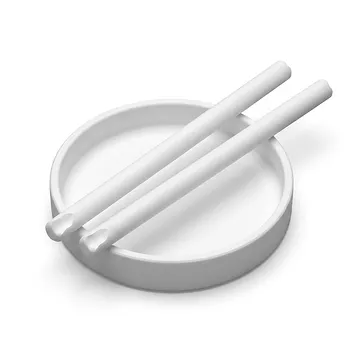
From everyday labware (beakers, measuring cylinders, crucibles) and fluid transfer components (tubing, fittings, valves) to advanced microwave digestion vessels, hydrothermal synthesis liners, and bespoke electrochemical cells, KINTEK manufactures virtually all laboratory supplies from high-purity PTFE and PFA. Contact us today to discuss your custom laboratory setup and ensure your catalysts perform at their theoretical peak.
References
- Fatemeh Yousefzadeh, Mojgan Ghanbari. Visible light photocatalytic degradation of water-soluble organic pollutants in aqueous solution by thulium copper oxide nanostructures: sonochemical synthesis, characterization, optimization of conditions, and mechanisms. DOI: 10.1007/s13201-024-02349-2
This article is also based on technical information from Kintek Knowledge Base .
Related Products
- High Purity PTFE Corrosion Resistant Reaction Vessel with Luer Fittings and Caps for Trace Analysis
- Custom PTFE Flask Large Volume 18L Corrosion Resistant Low Background High Purity Chemical Vessel
- Custom PTFE Digestion Tubes and High Purity Polytetrafluoroethylene Centrifuge Vessels 60ml for Trace Analysis
- High Purity Corrosion Resistant Teflon Crucible Low Background Laboratory PTFE Vessel for Trace Analysis and Acid Digestion
- High Purity Custom PTFE Large Volume 15L Flask Corrosion Resistant Low Trace Background Fluoropolymer Reaction Vessel
People Also Ask
- Why is a PTFE reaction vessel required for Ti3C2Tx MXene synthesis? Ensure Safe HF Etching & High Purity
- Why are high-purity PTFE or PFA reaction vessels recommended for the synthesis of PANI-TiC hybrid materials? - Guide
- How do perfluorinated solvent environments influence the selection of reaction vessels and fluid handling components in nonaqueous emulsion polymerizations? Choose fluoropolymer materials.
- What reaction vessel and fluid handling considerations are necessary for living cationic polymerization of fluorinated monomers involving Lewis acid catalysts? Key design and safety tips
- Why is a high-quality PTFE reaction vessel required for the etching preparation of Ti3C2Tx MXene? Ensure Pure Synthesis.