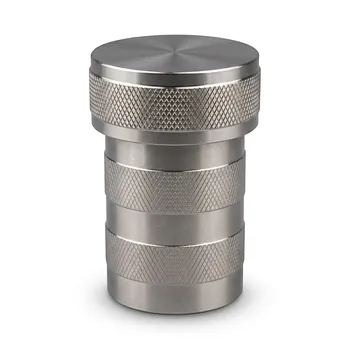
The primary function of a high-pressure reactor in the solvothermal synthesis of UiO-66-NH2 is to create a sealed, high-temperature environment that generates autogenous pressure. This specific environment facilitates the coordination reaction between zirconium ions ($Zr^{4+}$) and amino terephthalic acid ligands within a solvent, typically N,N-Dimethylformamide (DMF). By maintaining these conditions, the reactor ensures the development of a highly crystalline metal-organic framework (MOF) with a uniform microporous structure.
The high-pressure reactor acts as a controlled chemical crucible, using heat and internal pressure to overcome kinetic barriers. This ensures that the metal precursors and organic ligands bond precisely, forming the stable, porous lattice required for advanced applications like defect engineering.
Creating the Solvothermal Environment
The reactor's most critical role is managing the physical conditions necessary for MOF formation.
Achieving Super-Ambient Temperatures
The reactor allows the reaction mixture to be heated to specific temperatures, such as 120°C, which are often near or above the effective threshold for rapid ligand-metal coordination. This thermal energy is vital for the dissolution of precursors and the activation of the chemical reagents.
Generating Autogenous Pressure
Because the system is sealed, heating the solvent (like DMF) creates autogenous pressure. This pressure is fundamental to the solvothermal process, as it forces the reactants into close proximity and facilitates the chemical interactions required to build a complex 3D framework.
Facilitating Precision Coordination Chemistry
Beyond simple heating, the reactor environment dictates the quality and order of the resulting crystal structure.
Promoting High Crystallinity
The stable pressure and temperature inside the reactor promote a dynamic equilibrium. This allows coordination bonds to form, break, and reform ("repair"), which is essential for eliminating structural defects and ensuring the final UiO-66-NH2 material is highly ordered and crystalline.
Ensuring Uniform Pore Structure
A controlled environment ensures that the nucleation and growth of the crystals occur at a steady rate. This leads to the formation of uniform micropores, which are the defining characteristic of the UiO-66-NH2 framework and are critical for its performance in gas storage or catalysis.
Ensuring Purity and Structural Stability
The physical construction of the reactor is as important as the environment it creates.
Preventing Chemical Contamination
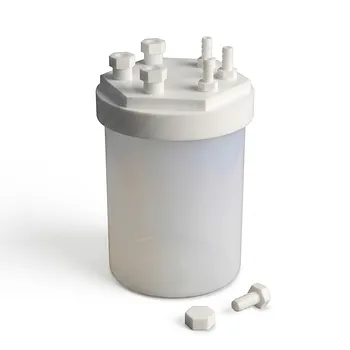
High-pressure reactors are typically equipped with chemically inert liners made from Polytetrafluoroethylene (PTFE) or Perfluoroalkoxy (PFA). These liners prevent the corrosive reaction mixture—often containing metal salts like zirconium tetrachloride—from reacting with the steel walls of the reactor.
Maintaining Atomic Precision
By isolating the reaction from external contaminants and preventing the leaching of metal ions from the container, the reactor ensures the high purity of the MOF. This is crucial for maintaining the structural integrity of the resulting metal-organic framework.
Understanding the Trade-offs and Risks
While high-pressure reactors are essential, they introduce specific challenges that must be managed.
Thermal and Pressure Limits
Exceeding the temperature ratings of the PTFE liner (typically around 220°C–250°C) can cause the material to soften or fail, leading to leaks or reactor damage. Users must strictly adhere to the safety limits of the specific vessel being used.
Reaction Scaling Difficulties
Solvothermal synthesis in a sealed reactor can be difficult to scale up. Larger volumes can lead to uneven heating (thermal gradients), which might result in a mixture of crystal sizes or lower overall crystallinity compared to smaller laboratory batches.
How to Apply This to Your Synthesis
Choosing the right reactor parameters depends on your specific material goals.
- If your primary focus is High Crystallinity: Use a slower heating ramp and ensure the reactor is perfectly sealed to maintain consistent autogenous pressure throughout the 120°C hold time.
- If your primary focus is Purity and Defect Control: Prioritize the use of a fresh, unscratched PTFE liner to prevent any metallic contamination and ensure the precursors are fully dissolved before sealing.
- If your primary focus is Structural Stability: Ensure the solvent-to-precursor ratio is optimized for the reactor's volume, typically filling the liner to 60-80% capacity to provide adequate headspace for pressure generation.
The high-pressure reactor is the indispensable tool that transforms raw chemical precursors into the sophisticated, porous architecture of the UiO-66-NH2 framework.
Summary Table:
| Function | Mechanism | Key Benefit |
|---|---|---|
| Environment Control | Autogenous Pressure & 120°C+ | Facilitates Zr-ligand coordination |
| Structural Precision | Dynamic Equilibrium | High crystallinity & uniform micropores |
| Contamination Control | PTFE/PFA Liners | Prevents metal leaching & ensures purity |
| Stability Maintenance | Sealed Environment | Overcomes kinetic barriers for stable lattices |
Elevate Your MOF Synthesis with KINTEK’s Precision Fluoropolymer Labware
Achieving high crystallinity in UiO-66-NH2 requires precise temperature control and absolute chemical purity. KINTEK specializes in high-performance PTFE and PFA laboratory supplies designed to withstand the rigorous demands of solvothermal synthesis.
From essential hydrothermal synthesis liners and microwave digestion vessels to complex custom CNC-machined parts, we provide everything needed for a contamination-free environment. Our extensive range includes high-purity labware (beakers, reagent bottles, digestion tubes), fluid transfer components (tubing, valves), and advanced reaction apparatus like electrochemical cells and battery testing fixtures.
Backed by end-to-end custom fabrication, KINTEK ensures your research is supported by the highest-performing fluoropolymer materials on the market.
Ready to optimize your lab's performance? Contact KINTEK Today to discuss your bespoke laboratory setups or high-volume orders.
References
- Yan‐Yan Song, Chong Peng. MOF-Derived Oxygen-Vacancy-Rich ZrO2/UiO-66-NH2 for Efficient Visible-Light-Driven Oxidation of Benzyl Alcohol. DOI: 10.1007/s12209-025-00447-z
This article is also based on technical information from Kintek Knowledge Base .
Related Products
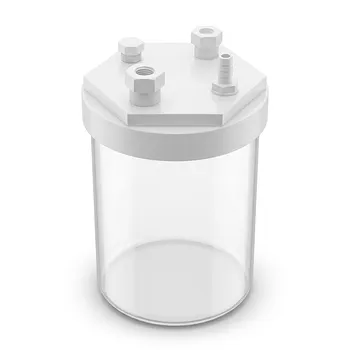
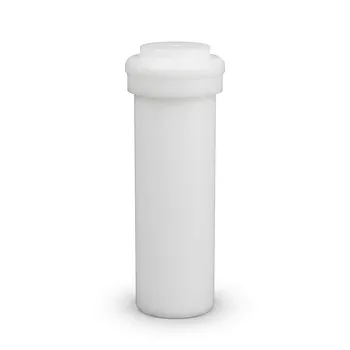
- High Temperature Corrosion Resistant Hydrothermal Synthesis Reactor with TFM Inner Liner and Straight Cylinder Design
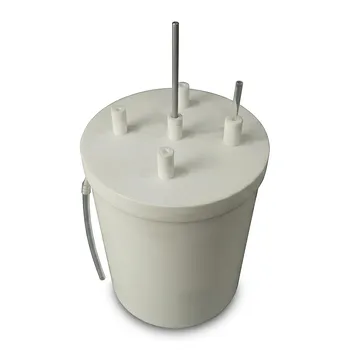
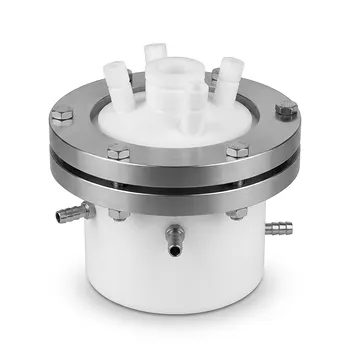
- High Pressure Custom TFM Reactor Stainless Steel Outer Vessel PTFE Inner Cup for Corrosive Synthesis
- PTFE Lined High Pressure Digestion Vessel 50ml High Temperature Hydrothermal Synthesis Tank
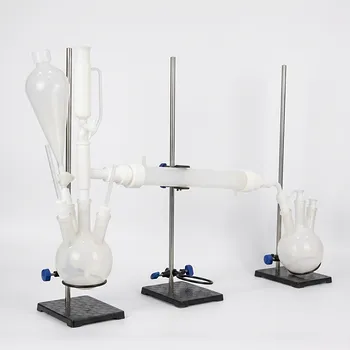
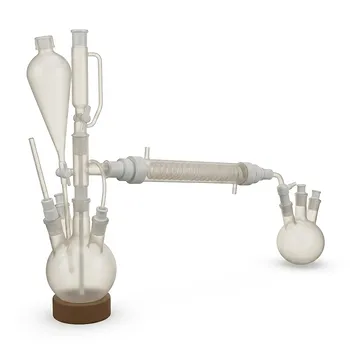
- High Purity PFA Constant Pressure Condensation Reaction System Acid Resistant High Temperature Customizable Teflon Labware
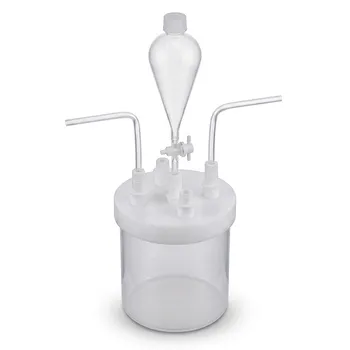
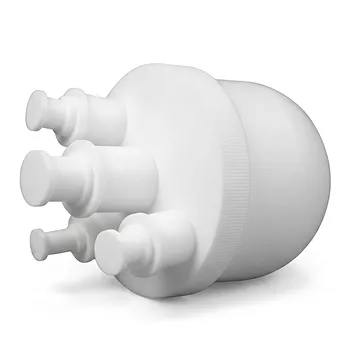
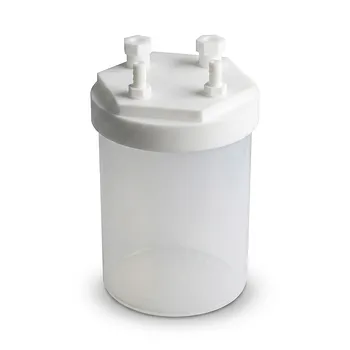
- High Purity PFA Reaction Vessel for Biopharmaceutical Synthesis and Corrosive Chemical Fluid Handling with Customizable Tube Fittings
People Also Ask
- What is the role of a corrosion-resistant reactor in the synthesis of lignin-based carbon dots? Ensure Maximum Purity
- What are the technical advantages of using hydrothermal synthesis reactors for advanced electronic & optical nanomaterials?
- How does a hydrothermal synthesis reactor facilitate the production of crystalline materials with tailored morphologies? Precision Crystal Growth
- Why is the sealing reliability of a hydrothermal synthesis reactor critical for 24-hour cycles? Ensure Nano-Precision
- What role do hydrothermal synthesis reactors play in CQD preparation? Achieve High-Purity Nanomaterial Synthesis