Achieving material integrity through high-purity containment is the primary reason for using PTFE liners.
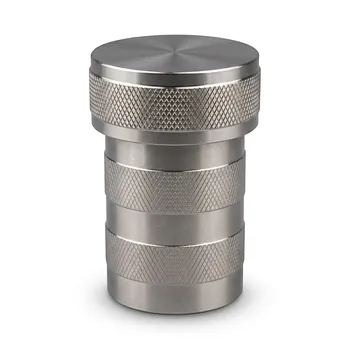
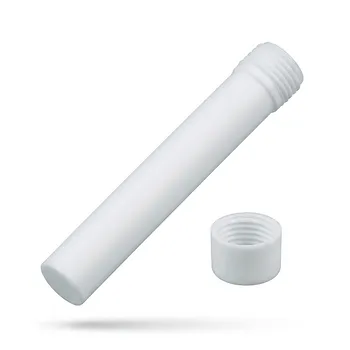
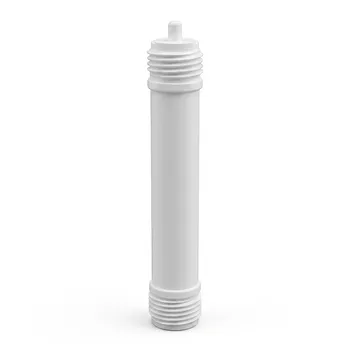
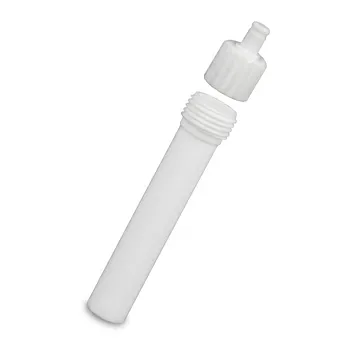
In the hydrothermal synthesis of Graphite and reduced Graphene Oxide (rGO) hybrids, a high-purity PTFE liner provides a chemically inert environment that prevents the introduction of impurity ions. During high-temperature and high-pressure reactions, this liner acts as a critical barrier, ensuring that the resulting carbon materials maintain their functional properties without contamination from the metal autoclave walls.
The success of Graphite and rGO hybrid synthesis depends on maintaining a "closed-loop" purity system. A high-purity PTFE liner is not just a container; it is a critical chemical barrier that preserves the functional integrity of carbon nanomaterials by preventing metal ion leaching and equipment corrosion.
Preserving Chemical Purity and Material Integrity
Prevention of Metallic Ion Contamination
Under the extreme conditions of hydrothermal synthesis, precursor solutions can become highly aggressive. A high-purity PTFE liner prevents the leaching of metal ions from the stainless steel autoclave body into the reaction mixture.
This isolation is vital for carbon hybrids, as even trace amounts of metallic impurities can alter the electronic and structural properties of the Graphite and rGO layers. By maintaining a clean reaction environment, researchers ensure the synthesis of high-purity nanomaterials with predictable characteristics.
Stability Amidst Chemical Evolution
The synthesis of rGO involves the chemical evolution of surface functional groups on the carbon structure. PTFE’s excellent corrosion resistance allows it to remain stable even as the reaction chemistry shifts under high pressure.
Because the liner does not react with these evolving groups, it ensures that the reduction process occurs as intended. This stability is essential for achieving a uniform morphology and consistent microstructure in the final hybrid material.
Structural Protection of the Synthesis Environment
Safeguarding the Autoclave Hardware
Hydrothermal synthesis often utilizes strong acidic or alkaline media to facilitate the growth of carbon hybrids. The PTFE liner protects the metal outer shell of the autoclave from these corrosive substances, significantly extending the service life of the pressure vessel.
By acting as a chemical protection barrier, the liner ensures that the structural integrity of the autoclave is not compromised by pitting or stress corrosion. This protection is a fundamental safety requirement for high-pressure laboratory operations.
Facilitating Efficient Product Recovery
PTFE is known for its excellent mold-release and non-stick properties. This characteristic is particularly beneficial when synthesizing nanopowders or single-crystal carbon hybrids that might otherwise adhere to the vessel walls.
A non-stick surface allows for the efficient recovery of the synthesized materials without the risk of mechanical damage or cross-contamination. This ensures that the yield of high-quality rGO-graphite hybrids remains high and easy to collect.
Understanding the Trade-offs and Limitations
Thermal Constraints and Temperature Limits
While PTFE is highly inert, it has a definite thermal ceiling, typically around 220°C to 250°C. Exceeding these temperatures can lead to the softening or deformation of the liner, potentially compromising the seal and contaminating the sample with fluorinated decomposition products.
Mechanical Deformation Under Pressure
Under prolonged high-pressure conditions, PTFE liners are susceptible to "creep" or permanent deformation. If the liner is not properly fitted or if the cooling process is too rapid, the seal between the liner and the autoclave cap may fail, leading to leaks and potential damage to the outer vessel.
How to Apply This to Your Project
Recommendations for Synthesis Goals
- If your primary focus is Maximum Purity: Prioritize high-purity PTFE or PFA liners with the lowest possible leaching rates to ensure no trace metals interfere with the carbon hybrid's electronic properties.
- If your primary focus is Large-Scale Recovery: Leverage the non-stick properties of a fresh PTFE liner to ensure that synthesized rGO powders do not adhere to the walls, maximizing your total yield.
- If your primary focus is High-Temperature Reactions: Monitor your synthesis temperature strictly to stay below 230°C; if higher temperatures are required, consider alternative liner materials like PEEK or specialized quartz inserts.
The strategic use of a high-purity PTFE liner is the most effective way to ensure the chemical precision and safety required for advanced carbon hybrid synthesis.
Summary Table:
| Feature | Benefit for Graphite/rGO Synthesis | Key Consideration |
|---|---|---|
| Chemical Inertness | Prevents metal ion leaching and precursor contamination | Essential for electronic property stability |
| Corrosion Resistance | Protects autoclave hardware from acidic/alkaline media | Extends service life of pressure vessels |
| Non-Stick Surface | Facilitates 100% product recovery of nanopowders | Minimizes mechanical damage to hybrids |
| Thermal Stability | Maintains seal integrity up to 230°C-250°C | Critical to monitor limits to avoid 'creep' |
Precision Purity for Your Advanced Carbon Synthesis
Elevate your research integrity with KINTEK’s high-performance fluoropolymer solutions. We specialize in maintaining the absolute purity required for Graphite and rGO hybrid synthesis through our extensive range of PTFE and PFA laboratory supplies.
From hydrothermal synthesis liners and microwave digestion vessels to custom CNC-fabricated components and high-purity trace analysis instruments, KINTEK provides everything your lab needs to prevent contamination and ensure structural integrity. Whether you require standard consumables like beakers and reagent bottles or bespoke reaction apparatus like electrochemical cells and battery testing fixtures, our end-to-end manufacturing ensures high-volume consistency and complex non-standard precision.
Don't let metal impurities compromise your carbon nanomaterials. Contact KINTEK today to discuss your custom project or bulk labware needs!
References
- Muhammad Faizadmesa Allim, Muhammad Akmal Kosnan. Morphological, Elemental Composition and Structural Analysis of Novel Graphite/rGO Hybrid Synthesis via One-Pot Facile Hydrothermal. DOI: 10.4236/jpee.2025.1312002
This article is also based on technical information from Kintek Knowledge Base .
Related Products
- PTFE Lined High Pressure Digestion Vessel 50ml High Temperature Hydrothermal Synthesis Tank
- High Temperature Corrosion Resistant Hydrothermal Synthesis Reactor with TFM Inner Liner and Straight Cylinder Design
- Custom TFM Reaction Vessel with Stainless Steel Jacket and PTFE Inner Cup for High Corrosion Resistance
- High Purity TFM Microwave Digestion Vessels PTFE Acid Evaporation Liners Domestic GT-400 Equivalent Laboratory Reaction Containers
- High Purity PTFE Microwave Digestion Vessel for Soil and Food Analysis Acid Resistant Fluoropolymer Sample Preparation Liners
People Also Ask
- What are the benefits of using a PTFE-lined vessel for carbon-sulfur cathode treatment? Maximize Purity & Performance
- Why are PTFE-lined pressure digestion vessels required for the preparation of Ag/CeO2 catalysts? Purity & Performance
- What safety features are typically incorporated into high-pressure PTFE digestion vessel designs? Ensure Lab Safety
- What is the function of PTFE lined high-pressure vessels in g-C3N4 synthesis? Achieve High-Purity Material Growth
- Role of High-Pressure Digestion Tanks in Perovskite Synthesis: Achieve Superior Stability and Latent Heat