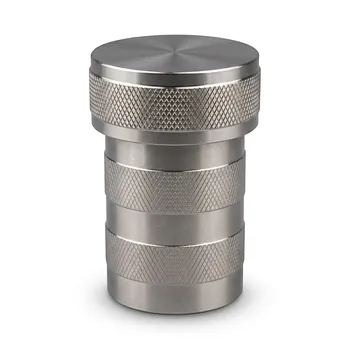
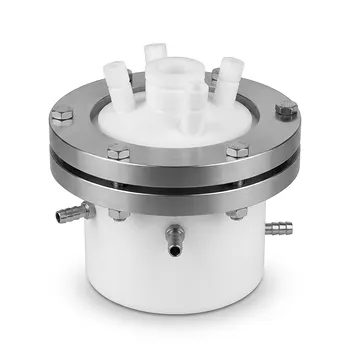
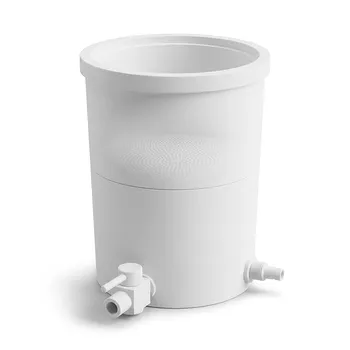
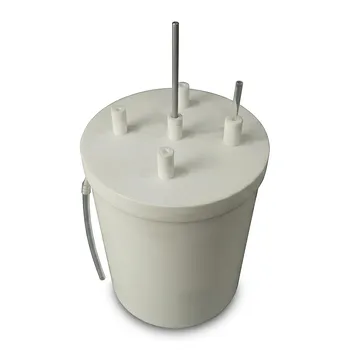
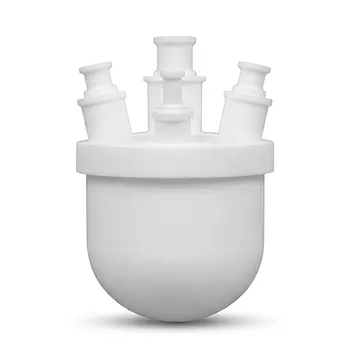
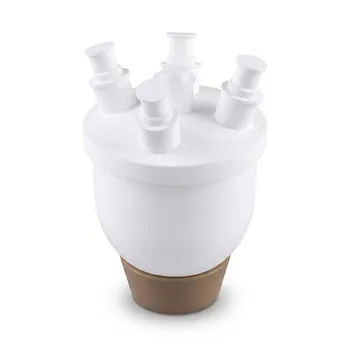
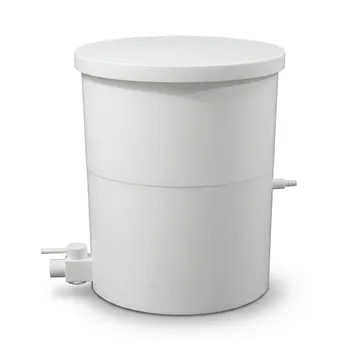
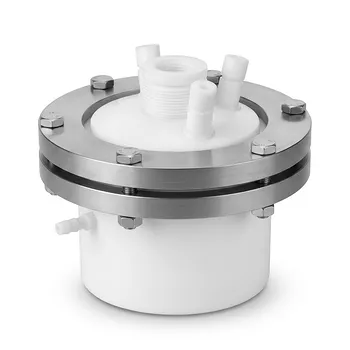
The hydrothermal synthesis reactor and its PTFE liner function as a high-pressure environment and a chemical barrier, respectively. This system provides the specific thermodynamic conditions required to transform zinc hydroxide precursors into crystalline zinc oxide (ZnO) while ensuring the resulting nanostructures are pure and appropriately functionalized.
Core Takeaway: The hydrothermal reactor facilitates the phase transformation and morphological control of ZnO through high-pressure crystallization, while the PTFE liner preserves chemical purity and prevents reactor corrosion by acting as an inert physical interface.
The Reactor: Creating the Thermodynamic Environment
Driving the Phase Transformation
The primary role of the hydrothermal reactor is to provide a sealed environment where temperatures and pressures can exceed the boiling point of water. This environment is essential for the phase transformation of zinc hydroxide precursors into a stable zinc oxide crystal phase.
Regulating Nanostructure Morphology
By precisely controlling the internal temperature, the reactor allows for the regulation of nanorod morphology. The high-pressure state facilitates a condition of moderate supersaturation, driving zinc ions to nucleate and grow along specific crystallographic directions to create high-aspect-ratio structures.
Controlling Surface Chemistry
The reactor environment is critical for managing the surface hydroxyl content of the zinc oxide. Because amino-functionalization often depends on the density of these hydroxyl groups, the reactor's ability to maintain a stable, high-temperature environment directly dictates the success of subsequent chemical functionalization.
The PTFE Liner: Maintaining Chemical Integrity
Preventing Metallic Contamination
The Polytetrafluoroethylene (PTFE) liner serves as a highly inert carrier that isolates the reaction solution from the stainless steel reactor body. Without this barrier, the reaction medium could leach metal ion impurities from the vessel walls, which would contaminate the catalyst and alter its performance.
Resistance to Corrosive Environments
Hydrothermal reactions often involve precursors and solvents that become highly reactive at elevated temperatures. The chemical inertness of the PTFE liner ensures it does not react with the zinc source, protecting the structural integrity of the outer metal shell from oxidation or stress-corrosion cracking.
Ensuring Synthesis Purity
By providing a non-reactive interface, the liner ensures that the functional groups on the surface of the ZnO nanostructures remain uncontaminated. This purity is vital for the amino-functionalization process, as competing ions could block active sites or interfere with the attachment of amino groups.
Understanding the Trade-offs and Limitations
Temperature Constraints of PTFE
While PTFE is highly inert, it has strict thermal limits, typically failing or deforming if temperatures exceed 220°C. For syntheses requiring higher temperatures, more specialized materials like Para-polyphenylene (PPL) must be used to maintain structural integrity.
Pressure Risks and Seal Integrity
The effectiveness of the hydrothermal method relies entirely on a perfect seal. If the liner is improperly seated or if the pressure exceeds the reactor's rating, the resulting pressure drop will halt the crystallization process and may pose a significant safety hazard.
Material Memory and Cleaning
PTFE liners can sometimes absorb trace amounts of chemicals, which may lead to cross-contamination between different synthesis batches. Rigorous cleaning protocols are required to ensure that the surface properties of the ZnO nanorods remain consistent across multiple experiments.
How to Apply This to Your Synthesis Goals
Choosing the Right Approach for Your Project
- If your primary focus is Morphology Control: Prioritize precise temperature regulation within the reactor to influence the nucleation rates and the final aspect ratio of the ZnO nanorods.
- If your primary focus is High-Purity Functionalization: Ensure the PTFE liner is pristine and undamaged to prevent any trace metal ions from interfering with the surface hydroxyl groups.
- If your primary focus is High-Yield Phase Transformation: Focus on the duration of the reaction within the sealed reactor to ensure the complete conversion of zinc hydroxide to the crystalline ZnO phase.
Understanding the synergy between the reactor's pressurized environment and the liner's chemical protection is the key to producing high-performance, amino-functionalized zinc oxide catalysts.
Summary Table:
| Component | Primary Role | Key Benefit to Catalyst |
|---|---|---|
| Hydrothermal Reactor | High-Pressure Environment | Facilitates ZnO phase transformation & nanorod growth. |
| PTFE Liner | Chemical Barrier | Prevents metallic contamination & protects vessel from corrosion. |
| Surface Control | Thermodynamic Stability | Optimizes hydroxyl density for effective amino-functionalization. |
| Thermal Management | Regulated Temperature | Controls nucleation rates to dictate final nanostructure morphology. |
Elevate Your Material Synthesis with KINTEK High-Performance Labware
Precision in catalyst synthesis demands an environment free of contamination. At KINTEK, we specialize in high-performance fluoropolymer solutions designed for the most rigorous laboratory standards. From everyday basic labware like PTFE beakers, crucibles, and reagent bottles to the critical high-purity trace analysis instruments and hydrothermal synthesis liners discussed above, we ensure your chemical integrity remains uncompromised.
Our expertise extends to comprehensive fluid transfer components (tubing, valves), sample prep tools (filters, pipettes), and advanced reaction apparatus such as custom electrochemical cells and microwave digestion vessels. Backed by end-to-end custom CNC fabrication, KINTEK can deliver everything from complex non-standard machined parts to high-volume orders—all with an absolute focus on high-performance PTFE and PFA materials.
Ready to optimize your synthesis workflow? Contact us today to discuss your custom project or bulk supply needs!
References
- Gonçalves J. Marrenjo, Osmando F. Lopes. Modification of ZnO gas-diffusion-electrodes for enhanced electrochemical CO<sub>2</sub> reduction: optimization of operational conditions and mechanism investigation. DOI: 10.1039/d4ma00750f
This article is also based on technical information from Kintek Knowledge Base .
Related Products
- PTFE Lined High Pressure Digestion Vessel 50ml High Temperature Hydrothermal Synthesis Tank
- High Temperature Corrosion Resistant Hydrothermal Synthesis Reactor with TFM Inner Liner and Straight Cylinder Design
- High Pressure Custom TFM Reactor Stainless Steel Outer Vessel PTFE Inner Cup for Corrosive Synthesis
- Custom TFM Reaction Vessel with Stainless Steel Jacket and PTFE Inner Cup for High Corrosion Resistance
- Custom PTFE Reaction System with Hose Barb Fittings Corrosion Resistant High Sealing 2L 4L Lab Reactor with Separatory Funnel
People Also Ask
- What are the benefits of using a PTFE-lined vessel for carbon-sulfur cathode treatment? Maximize Purity & Performance
- Why are PTFE-lined pressure digestion vessels required for the preparation of Ag/CeO2 catalysts? Purity & Performance
- What safety features are typically incorporated into high-pressure PTFE digestion vessel designs? Ensure Lab Safety
- What is the function of PTFE lined high-pressure vessels in g-C3N4 synthesis? Achieve High-Purity Material Growth
- Role of High-Pressure Digestion Tanks in Perovskite Synthesis: Achieve Superior Stability and Latent Heat