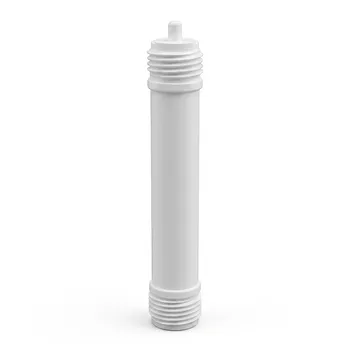
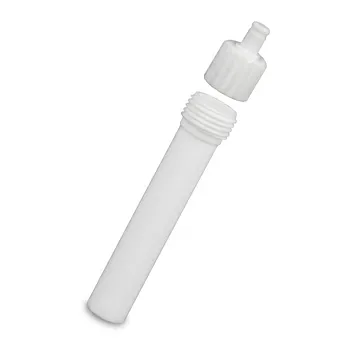
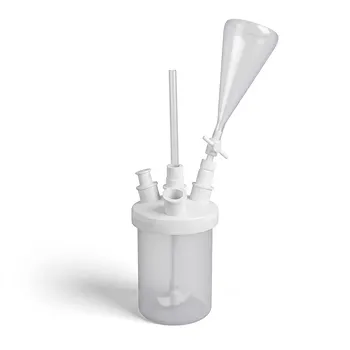
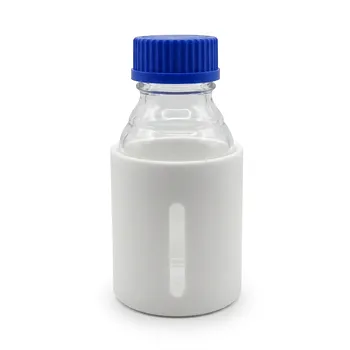
PTFE and PFA liners serve as the primary containment barriers in hydrothermal reactors, providing a chemically inert and non-contaminating environment for polyoxometalate (POM) synthesis. These liners allow researchers to process molybdate solutions under extreme conditions, including temperatures up to 250°C and high pressures, while maintaining strong acidic environments (e.g., pH 1.6). By isolating the reaction from the metal vessel, they prevent the leaching of transition metals into the solution, which is critical for the accuracy of species distribution studies.
The core function of a PTFE or PFA liner is to provide a "clean-room" environment within a high-pressure vessel, ensuring that synthesized polyoxometalates remain chemically pure while protecting the reactor's structural integrity from corrosive media.
Maintaining Chemical Integrity in Extreme Conditions
Resistance to Corrosive Acidic Media
Polyoxometalate synthesis often requires highly acidic conditions, such as pH 1.6, to facilitate the polymerization of metal-oxygen clusters. PTFE and PFA materials are virtually immune to chemical attack from these strong acids, as well as bases and organic solvents. This resistance ensures that the liner does not degrade or react with the molybdate solutions during the synthesis process.
Prevention of Metal Impurity Leaching
High-purity liners eliminate the risk of metal ions leaching from the stainless steel autoclave walls into the reaction mixture. Avoiding metallic contamination is vital for polyoxometalate research, where the introduction of even trace amounts of foreign metals can alter the species distribution or lead to unwanted side products. This isolation ensures that the resulting crystals or powders reflect the intended chemical composition.
Creating a Sealed High-Pressure Environment
The liners provide a stable, sealed space that can withstand the autogenous pressure generated during hydrothermal heating. This allows reactions to occur in a liquid phase well above the boiling point of the solvent. Such conditions are necessary for the crystal growth and structural formation of complex POM frameworks.
Physical Protection and Process Efficiency
Safeguarding the External Reactor Shell
The stainless steel outer shell of a hydrothermal reactor provides the mechanical strength to withstand pressure but is susceptible to corrosion. The liner acts as a sacrificial barrier, preventing corrosive vapors and liquids from reaching the metal. This protection significantly extends the operational lifespan of the high-pressure equipment.
Non-Stick Properties and Product Recovery
PTFE is renowned for its extremely low surface energy, which prevents the synthesized POM crystals or nano-powders from adhering to the walls. This non-stick characteristic simplifies the recovery of the final product and ensures higher yields. Furthermore, it makes the cleaning process more efficient, reducing the risk of cross-contamination between experimental batches.
Thermal Stability and Heat Transfer
While acting as an insulator, high-quality liners are designed to operate reliably at temperatures ranging from 25°C to 250°C. PFA (perfluoroalkoxy) liners, in particular, often offer slightly better thermal stability and transparency than standard PTFE. This thermal range covers the majority of hydrothermal synthesis protocols used in inorganic chemistry.
Understanding the Trade-offs and Operational Limits
Temperature Constraints and Deformation
Standard PTFE liners generally have a safe continuous operating limit of 220°C, though high-quality versions can reach 250°C. Exceeding these limits can cause the liner to soften or "creep," leading to permanent deformation or potential seal failure. Users must carefully match their synthesis temperature to the specific material grade of the liner.
Pressure Limitations and Seal Integrity
Because the liner is nested within a metal shell, it relies on the shell for structural support under high pressure. If the cooling process is too rapid, a pressure differential can occur between the liner and the autoclave wall, potentially causing the liner to collapse or buckle. Gradual cooling is essential to maintain the integrity of the internal vessel.
Porosity and Gas Permeation
While resistant to liquids, polymers like PTFE can be slightly permeable to certain gases at extreme temperatures and pressures. Over time, repeated use can lead to "ghosting" or trace absorption of volatile species into the liner wall. For ultra-high-purity applications, liners may need to be replaced periodically to ensure consistent results.
How to Apply This to Your Research
When selecting or using a liner for polyoxometalate synthesis, consider the following recommendations based on your experimental requirements:
- If your primary focus is high-purity crystal growth: Prioritize the use of new or high-purity PFA liners to minimize any possible trace element leaching and ensure a smooth surface for nucleation.
- If your primary focus is high-temperature synthesis (above 220°C): Ensure you are using reinforced or high-grade PTFE/PFA specifically rated for 250°C to prevent vessel deformation.
- If your primary focus is ease of cleaning and reuse: Utilize the non-stick properties of PTFE and implement a rigorous acid-washing protocol between runs to prevent cross-contamination of POM species.
By correctly leveraging these fluoropolymer liners, you ensure a controlled, pure, and safe environment for the synthesis of complex inorganic materials.
Summary Table:
| Feature | Function in POM Synthesis | Key Benefit |
|---|---|---|
| Chemical Inertness | Resists strong acids (down to pH 1.6) | Prevents liner degradation and side reactions |
| Trace Purity | Blocks metal ion leaching from shell | Ensures accurate species distribution studies |
| Thermal Stability | Reliable performance from 25°C to 250°C | Supports high-pressure crystal growth |
| Non-stick Surface | Low surface energy coating | Improves product recovery and simplifies cleaning |
| Physical Barrier | Protects outer stainless steel shell | Extends the lifespan of expensive reactor equipment |
Optimize Your Synthesis with KINTEK’s Precision Engineering
Elevate your research outcomes with KINTEK’s premium fluoropolymer solutions. From everyday essentials like beakers, reagent bottles, and centrifuge tubes to specialized high-purity trace analysis instruments, we ensure your laboratory environment remains contamination-free.
Our expertise extends from fluid transfer components (tubing, valves, fittings) and sample prep tools (filters, pipettes, tweezers) to advanced reaction apparatus including hydrothermal synthesis liners, microwave digestion vessels, and custom electrochemical cells.
Why choose KINTEK?
- Custom Fabrication: End-to-end CNC machining for complex, non-standard parts.
- Material Focus: Absolute specialization in high-performance PTFE and PFA.
- Versatility: We deliver everything from bespoke setups to high-volume orders.
Contact our specialists today to secure the high-performance labware your research deserves!
References
- Laura S. Junkers, Carles Bó. Uncovering Polyoxometalate Speciation in Hydrothermal Systems by Combining Computational Simulation with X-ray Total Scattering. DOI: 10.1021/jacs.5c04696
This article is also based on technical information from Kintek Knowledge Base .
Related Products
- PTFE Lined High Pressure Digestion Vessel 50ml High Temperature Hydrothermal Synthesis Tank
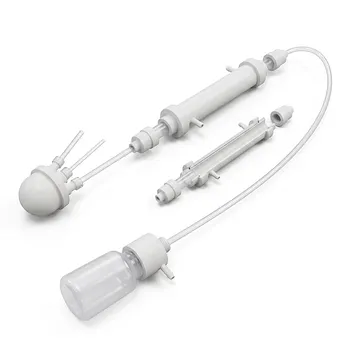
- High Temperature Corrosion Resistant PTFE Hydrogen Fluoride Condensation Reflux System with Separatory Funnel and PFA Collection Bottle
- PTFE PFA Vacuum Filtration System Corrosion Resistant Customizable Shatterproof Laboratory Device
- High Purity PTFE Microwave Digestion Vessel for Soil and Food Analysis Acid Resistant Fluoropolymer Sample Preparation Liners
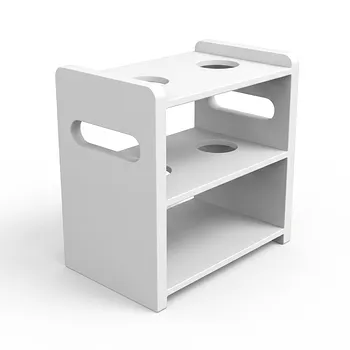
- Custom PTFE Acid Resistant Support Rack for PFA Hydrogen Absorption Systems Multi Hole Configurations
People Also Ask
- What are the benefits of using a PTFE-lined vessel for carbon-sulfur cathode treatment? Maximize Purity & Performance
- Why are PTFE-lined pressure digestion vessels required for the preparation of Ag/CeO2 catalysts? Purity & Performance
- What safety features are typically incorporated into high-pressure PTFE digestion vessel designs? Ensure Lab Safety
- What is the function of PTFE lined high-pressure vessels in g-C3N4 synthesis? Achieve High-Purity Material Growth
- Role of High-Pressure Digestion Tanks in Perovskite Synthesis: Achieve Superior Stability and Latent Heat