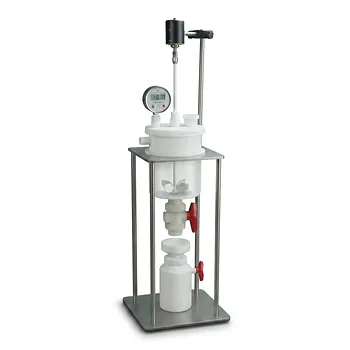
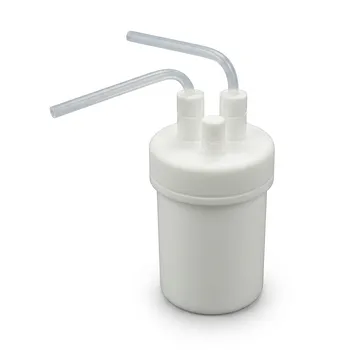
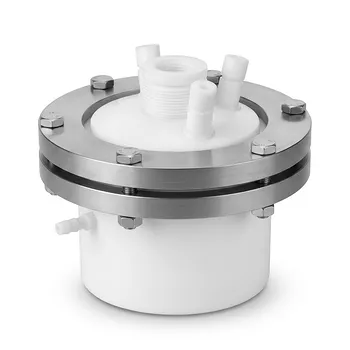
The precision synthesis of iron oxide nanoparticles requires a controlled, high-energy environment that standard laboratory glassware cannot provide. High-pressure hydrothermal reactors create the necessary subcritical conditions (typically 180°C to 220°C) for solvothermal conversion, while PTFE liners serve as chemically inert barriers that protect the reaction’s purity. Together, these components ensure that iron oxide precursors transform into nanoparticles with uniform size, high crystallinity, and specific magnetic properties.
Core Takeaway: High-pressure reactors provide the thermal and baric energy required for iron oxide nucleation, while PTFE liners prevent corrosive reagents from damaging the equipment or introducing metallic impurities into the final product.
The Role of the High-Pressure Reactor
Facilitating Subcritical Solvothermal Conversion
The reactor is designed to maintain a sealed, constant-volume environment where temperatures can exceed the boiling point of the solvent. This creates a subcritical state, typically between 180°C and 220°C, which is essential for the chemical transformation of iron precursors into stable oxide forms.
Driving Nucleation through Autogenous Pressure
As the liquid inside the sealed vessel is heated, it generates autogenous pressure. This pressure increases the solubility of precursors and facilitates a state of moderate supersaturation, which is the primary driver for the uniform nucleation and growth of iron oxide crystals.
Ensuring Regular Morphology and Crystallinity
The stable, closed system allows the reaction to proceed for extended periods (often several hours to days). This duration is critical for "Ostwald ripening," where particles reorganize into highly regular shapes and achieve the high degree of crystallinity required for technical applications.
The Essential Function of PTFE Liners
Resistance to Aggressive Reagents
Iron oxide synthesis frequently involves strong alkaline reagents, such as concentrated ammonia, or strong polar solvents like DMF. Polytetrafluoroethylene (PTFE) is chosen for its extreme chemical stability, as it resists corrosion from these substances even at elevated temperatures.
Preventing Metal Ion Contamination
Without a liner, the reactor’s stainless steel walls would leach metal ions (like chromium or nickel) into the solution when exposed to corrosive precursors. The PTFE liner acts as an absolute barrier, ensuring the high purity of the iron oxide crystal structure and preventing "doping" by unwanted elements.
Enhancing Product Recovery and Cleaning
PTFE is a non-stick material, which simplifies the recovery of the synthesized nanoparticles after the reaction is complete. This property also ensures that the reactor can be thoroughly cleaned, preventing cross-contamination between different batches or experimental runs.
Understanding the Trade-offs
Thermal Limitations of PTFE
While PTFE is highly resistant to chemicals, it has a strict thermal ceiling, generally recommended to stay below 250°C. Exceeding this temperature can cause the liner to soften or "creep," leading to seal failure or the release of toxic fluorinated vapors.
Pressure Constraints and Safety
Hydrothermal reactors are pressure vessels that require strict adherence to filling ratios (usually 60-80% of total volume). Overfilling the PTFE liner can lead to extreme pressure spikes during heating, risking a catastrophic failure of the outer stainless steel shell.
Applying This to Your Project
Recommendations for Synthesis Goals
- If your primary focus is Maximum Purity: Always use a fresh or deep-cleaned PTFE liner to ensure no trace metal ions from previous experiments interfere with the iron oxide’s magnetic properties.
- If your primary focus is Shape Control: Ensure the reactor is kept at a constant temperature for the full duration of the dwell time, as even small fluctuations in the hydrothermal environment can lead to irregular particle morphology.
- If your primary focus is High-Temperature Reactions (>250°C): You must transition away from PTFE liners toward PFA or specialized metallic alloys, as standard PTFE will lose structural integrity at these heat levels.
By precisely balancing the pressure-handling capabilities of the reactor with the chemical inertness of the PTFE liner, researchers can reliably produce iron oxide nanoparticles tailored for medicine, electronics, or catalysis.
Summary Table:
| Component | Primary Function | Key Benefit |
|---|---|---|
| Hydrothermal Reactor | Maintains subcritical conditions (180-220°C) | Drives uniform nucleation and regular morphology |
| PTFE Liner | Provides a chemically inert barrier | Prevents metal contamination and leaching |
| Autogenous Pressure | Increases precursor solubility | Enhances crystal growth through supersaturation |
| Non-stick Surface | Simplifies product recovery | Minimizes loss and facilitates easy cleaning |
Elevate Your Material Synthesis with KINTEK
Precision in nanoparticle preparation requires high-performance materials. At KINTEK, we specialize in the absolute focus on high-performance fluoropolymers, manufacturing virtually all imaginable laboratory supplies crafted from PTFE and PFA.
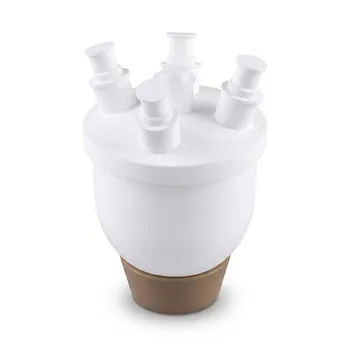
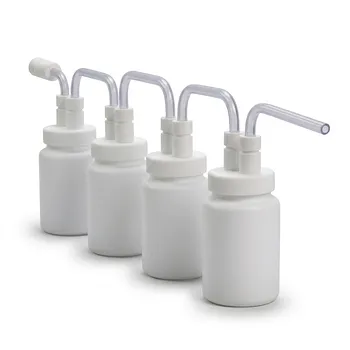
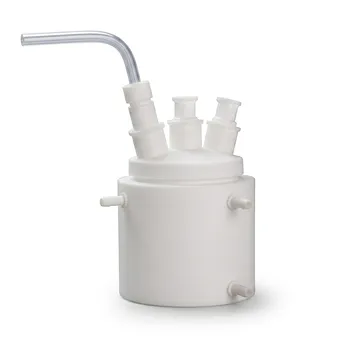
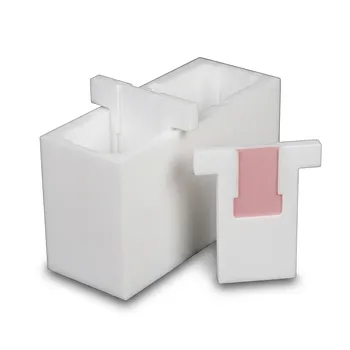
Whether you need everyday basic labware (beakers, digestion tubes, reagent bottles) or advanced reaction apparatus like hydrothermal synthesis liners, microwave digestion vessels, and custom electrochemical cells, we have you covered. Our end-to-end custom CNC fabrication allows us to deliver everything from complex non-standard machined parts to high-volume orders, ensuring your trace analysis and fluid transfer components maintain total purity.
Ready to optimize your lab's performance? Contact us today to discuss your custom requirements and discover how our fluoropolymer expertise can drive your research success.
References
- Yuki Makinose. Exploring Monodisperse Condition for Ceramic Nanoparticles Using Hydrothermal Synthesis and Machine Learning. DOI: 10.14356/hptf.22115
This article is also based on technical information from Kintek Knowledge Base .
Related Products
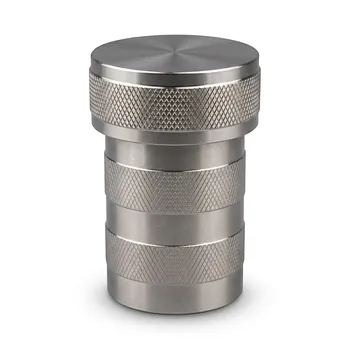
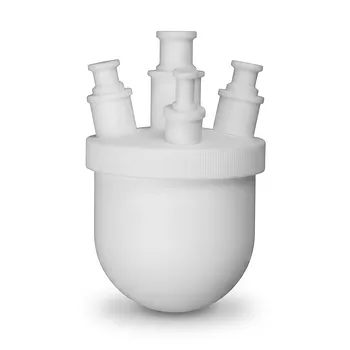
- High Pressure Custom TFM Reactor Stainless Steel Outer Vessel PTFE Inner Cup for Corrosive Synthesis
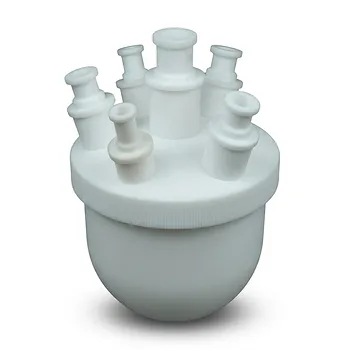
- PTFE Lined High Pressure Digestion Vessel 50ml High Temperature Hydrothermal Synthesis Tank
- High Temperature Corrosion Resistant Hydrothermal Synthesis Reactor with TFM Inner Liner and Straight Cylinder Design
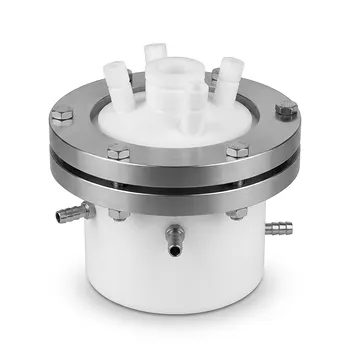
- Custom TFM Reaction Vessel with Stainless Steel Jacket and PTFE Inner Cup for High Corrosion Resistance
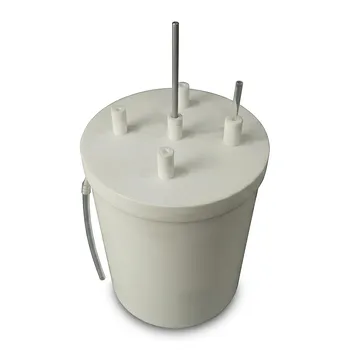
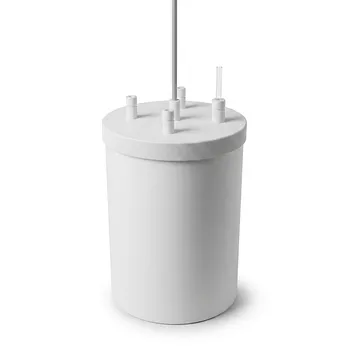
- PTFE 10L Reaction Vessel with Stirring Paddle Customizable Corrosion Resistant High Temperature Reactor for Biopharmaceutical and Chemical Processing
People Also Ask
- Why is a PTFE-lined reactor required for Mn2O3 synthesis? Achieve High Purity & Corrosion Resistance
- What is the technical value of 180 bar pressure for MgO nanostructures? Unlock Superior Crystallinity and Morphology
- What are the technical advantages of using high-pressure PTFE reaction vessels during metal digestion? Expert Insights.
- How does the regulation of initial pressure within a high-pressure reaction system affect the production of MIL-100(Fe)?
- Why is a high-pressure reactor necessary for the esterification reaction between oleic acid and methanol at 150°C? Guide