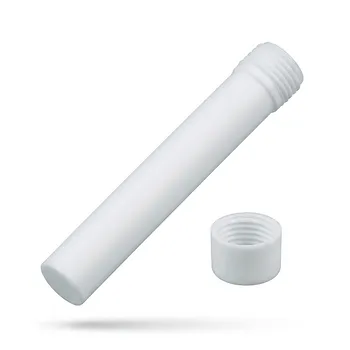
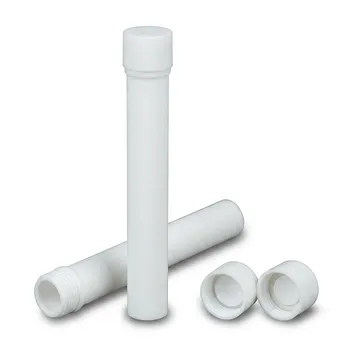
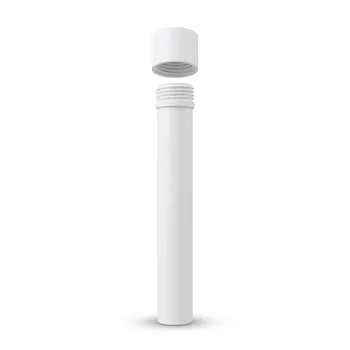
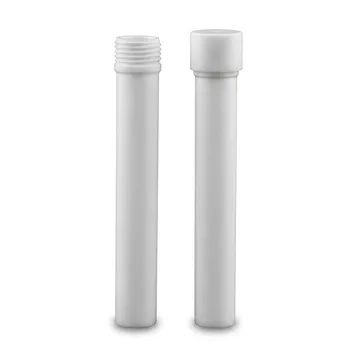
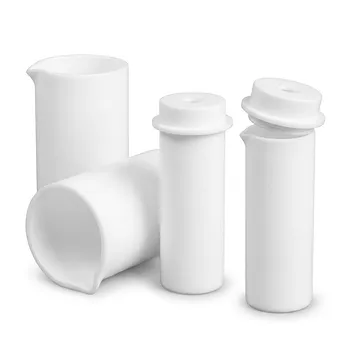
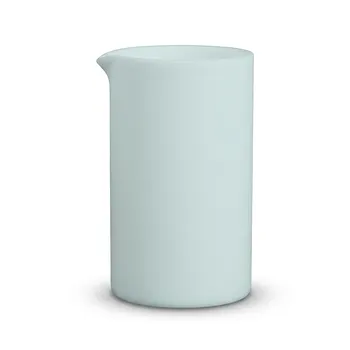
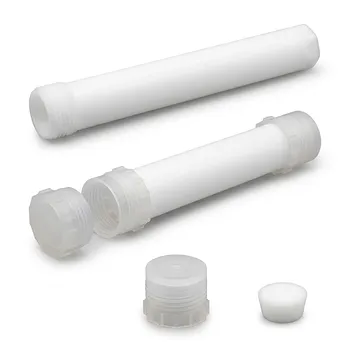
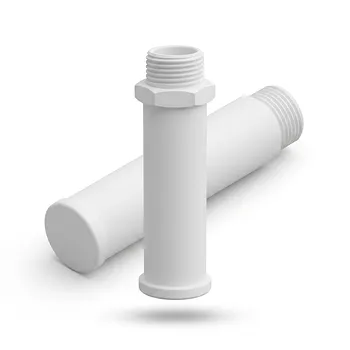
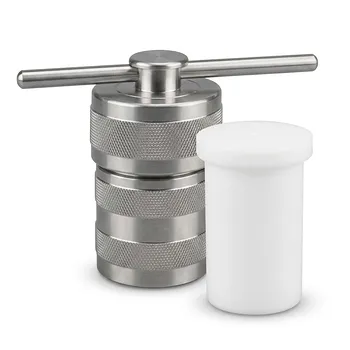
The primary function of an acid digestion bomb with a fluoropolymer liner is to create a high-pressure, high-temperature environment that forces the complete dissolution of chemically resistant zircon crystals. By providing a hermetically sealed chamber, the device allows mineral acids to reach temperatures far exceeding their atmospheric boiling points, which is necessary to fully release trace elements like zirconium (Zr), hafnium (Hf), uranium (U), and lead (Pb) for precise analytical measurement.
Core Takeaway: Acid digestion bombs utilize fluoropolymer liners to facilitate "total digestion" by combining extreme thermal energy with high internal pressure. This synergy overcomes the high lattice energy of zircon while protecting the sample from contamination and preventing the loss of volatile elements.
Overcoming Zircon’s Chemical Resistance
Elevating Boiling Points through Pressure
A standard open-vessel digestion is limited by the boiling point of the acid used. The acid digestion bomb overcomes this by creating a closed system where the vapor pressure of the acid increases the internal pressure, allowing the liquid phase to reach much higher temperatures without evaporating away.
Accelerating Reaction Kinetics
Zircon is a notoriously "stubborn" mineral that resists acid attack under normal conditions. The high-temperature environment within the bomb significantly accelerates the chemical reaction rates, ensuring that the zircon crystals are thoroughly decomposed and their constituent elements are converted into a homogeneous ionic form.
Ensuring Quantitative Element Release
For applications like U-Pb geochronology, every atom of the target element must be accounted for. The pressurized environment ensures that even the most refractory inclusions within the zircon are accessed by the acid, providing the clarity and purity required for downstream applications like mass spectrometry.
Protecting Sample Integrity and Equipment
Preventing Metallic Contamination
The fluoropolymer liner—typically made of PTFE or PFA—is chosen for its exceptional chemical inertness. It acts as a physical barrier that prevents the aggressive acid mixture from contacting the metal body of the digestion bomb, which would otherwise introduce iron, nickel, or chromium impurities into the sample.
Inhibiting Elemental Volatilization
Certain elements of interest can become volatile at high temperatures and escape in an open system. The sealing performance of the fluoropolymer liner ensures that target trace metals and volatile species are retained within the solution, maintaining the original elemental ratios of the sample.
Resistance to Corrosive Reagents
Zircon digestion often requires "aqua regia" or mixtures involving hydrofluoric, nitric, or hydrochloric acids. Fluoropolymer materials are uniquely capable of withstanding these intense corrosives at high temperatures without degrading or leaching "ghost" signals into the analytical data.
Understanding the Trade-offs
Thermal Limits of Fluoropolymers
While fluoropolymers are robust, they have a defined thermal threshold (typically around 250°C for PTFE). Exceeding these temperatures can cause the liner to soften or deform, potentially leading to a seal failure or "venting" event that ruins the sample and poses a safety risk.
Risk of Pressure-Induced Failure
The primary danger of acid digestion bombs is over-pressurization, often caused by digesting too much organic matter or using excessive acid volumes. Because the vessel is designed to contain immense force, a structural failure can be catastrophic, requiring strict adherence to sample-weight limits.
Maintenance and Memory Effects
Fluoropolymers are slightly porous at the molecular level, meaning they can sometimes "absorb" trace amounts of a previous sample. This requires rigorous, multi-stage cleaning protocols (often involving acid soaking) to prevent cross-contamination between different zircon batches.
How to Apply This to Your Project
Recommendations for Effective Digestion
- If your primary focus is high-precision dating (U-Pb): Prioritize high-pressure bombs over microwave systems to ensure the total dissolution of even the most refractory zircon cores.
- If your primary focus is preventing cross-contamination: Use dedicated PFA liners for different sample types and implement a "blank" digestion cycle between runs to verify liner cleanliness.
- If your primary focus is laboratory safety: Always calculate the stoichiometric pressure potential of your reagents and never exceed 70% of the manufacturer’s maximum rated temperature.
By mastering the balance between pressure, temperature, and material inertness, you ensure that your zircon analysis is both chemically complete and analytically pure.
Summary Table:
| Feature | Function in Zircon Digestion | Impact on Analytical Results |
|---|---|---|
| High-Pressure Seal | Elevates acid boiling points above atmospheric limits | Overcomes zircon's high lattice energy for total decomposition |
| PTFE/PFA Liner | Provides an inert barrier against aggressive acids (HF, HNO3) | Prevents metallic contamination (Fe, Ni, Cr) from the bomb body |
| Closed Environment | Inhibits the escape of volatile elements and vapors | Ensures quantitative recovery of target elements like Pb and U |
| Thermal Synergy | Accelerates chemical reaction kinetics | Converts stubborn crystals into a homogeneous ionic form for analysis |
Elevate Your Trace Analysis with KINTEK’s High-Performance Fluoropolymer Solutions
Achieving "total digestion" of refractory minerals like zircon requires equipment that stands up to extreme pressure and aggressive chemistry. At KINTEK, we specialize in high-performance PTFE and PFA laboratory supplies designed specifically for these demanding analytical environments.
From everyday basic labware like beakers, measuring cylinders, and centrifuge tubes to advanced reaction apparatus such as hydrothermal synthesis liners, microwave digestion vessels, and custom electrochemical cells, we manufacture virtually every fluoropolymer tool your lab requires. Backed by end-to-end custom CNC fabrication, we are equipped to deliver everything from complex, non-standard machined parts to high-volume orders—all while maintaining an absolute focus on high-performance material integrity.
Ensure the clarity and purity of your samples by choosing the right materials for the job. Contact us today to discuss your project and get a quote!
References
- Piero Azevedo Berquó de Sampaio, Zheng‐Xiang Li. Grey Hill Zircon – A Natural High <scp> <sup>176</sup> Yb </scp> / <scp> <sup>177</sup> Hf </scp> Zircon Reference Material for <scp>LA</scp> ‐ <scp>MC</scp> ‐ <scp>ICP</scp> ‐ <scp>MS</scp> Hf Isotope Measurement. DOI: 10.1111/ggr.70016
This article is also based on technical information from Kintek Knowledge Base .
Related Products
- High Purity PTFE PFA Microwave Digestion Vessels Custom Acid Digestion Tanks for Laboratory Sample Preparation
- High Purity PTFE Microwave Digestion Vessel for Soil and Food Analysis Acid Resistant Fluoropolymer Sample Preparation Liners
- High Purity PTFE Microwave Digestion Vessel Replacement Liner for Acid Sample Preparation and Trace Analysis
- Custom 100ml PTFE Digestion Tube for Heavy Metal Trace Analysis and High Temperature Acid Digestion
- High Purity TFM Microwave Digestion Vessels PTFE Acid Evaporation Liners Domestic GT-400 Equivalent Laboratory Reaction Containers
People Also Ask
- What safety features are commonly integrated into microwave digestion vessels? Ensuring High-Pressure Laboratory Safety
- What are the advantages of using microwave digestion vessels for environmental analysis? Boost speed and sample accuracy.
- What key thermal and chemical properties of fluoropolymers like PTFE and PFA enable their performance in extreme environments like microwave digestion vessels? Discover the science behind their superior performance.
- What are the advantages of using microwave digestion vessels? Optimize EG@MO synthesis with superior thermal control.
- Why are high-strength PFA microwave digestion vessels ideal for complex samples? Ensure Pure & Precise Trace Analysis