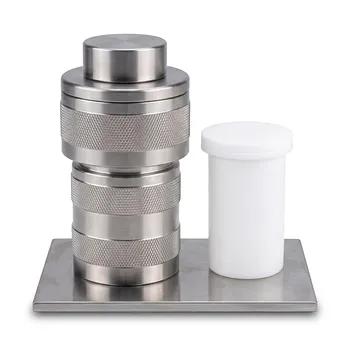
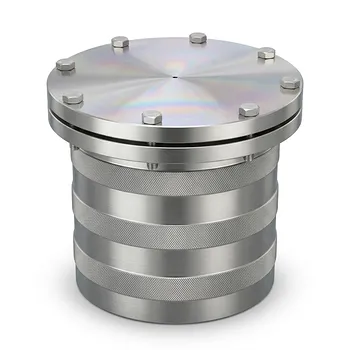
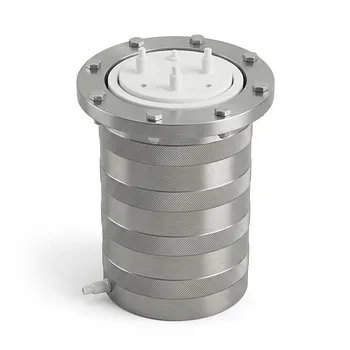
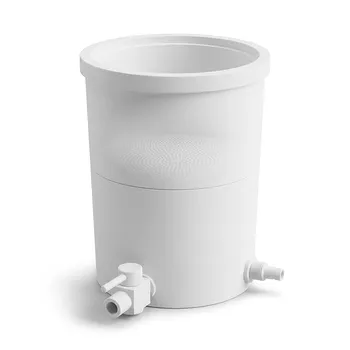
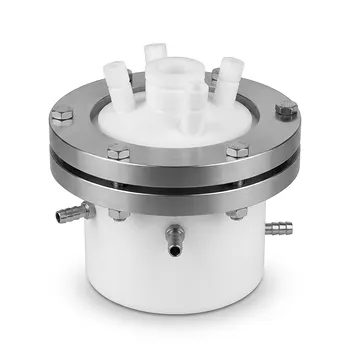
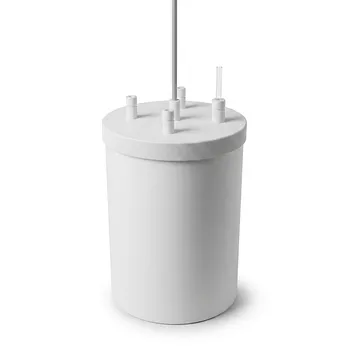
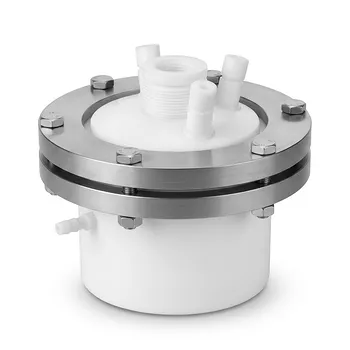
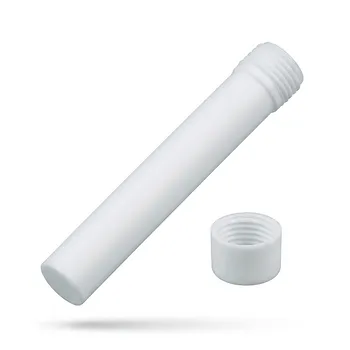
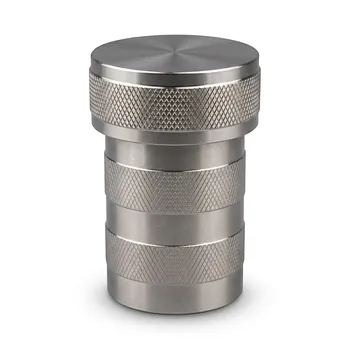
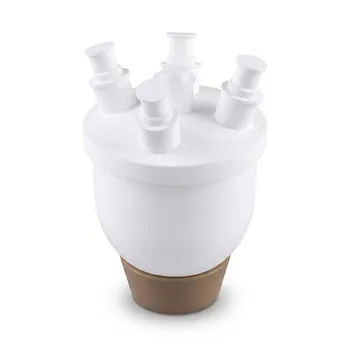
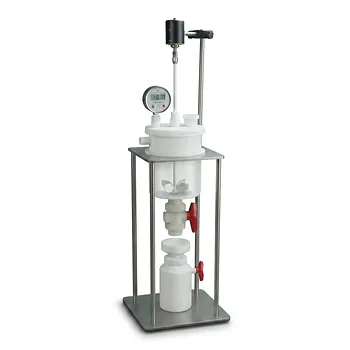
The hydrothermal reactor serves as the primary vessel for regulating the crystal growth and purity of amino-functionalized zinc oxide catalysts. It creates a sealed environment of elevated temperature and pressure that drives the transformation of zinc hydroxide into the zinc oxide crystal phase. By precisely controlling these parameters, researchers can tune the nanorod morphology and surface hydroxyl density, which are critical for subsequent amino-functionalization.
A PTFE-lined hydrothermal reactor enables the controlled nucleation and growth of zinc oxide nanostructures by providing an inert, high-pressure reaction zone. This setup is essential for achieving specific morphologies and maintaining the high chemical purity required for effective surface functionalization.
Facilitating Crystal Growth and Phase Transformation
Driving Phase Conversion
The reactor provides the high-temperature and high-pressure environment necessary to convert zinc hydroxide precursors into the stable zinc oxide (ZnO) crystalline phase. This energy-intensive process requires the sealed conditions of an autoclave to reach temperatures that would otherwise be impossible at atmospheric pressure.
Regulating Morphology and Surface Chemistry
By adjusting the internal temperature, the reactor allows for the precise regulation of zinc oxide nanorod morphology. Furthermore, it controls the surface hydroxyl content, which serves as the docking site for amino-groups during the functionalization process.
Controlling Supersaturation
The sealed environment facilitates a state of moderate supersaturation in the chemical solution. This state drives zinc source ions to nucleate and grow along specific crystallographic directions, allowing for the fabrication of diverse structures ranging from nanoparticles to high-aspect-ratio nanorods.
The Critical Role of the PTFE Liner
Preventing Corrosion and Impurities
The Polytetrafluoroethylene (PTFE) liner is highly chemically inert, preventing the reaction solution from corroding the stainless steel reactor body. This isolation is vital to ensure that metal ion impurities from the reactor wall do not leach into the solution and contaminate the catalyst.
Ensuring Chemical Stability
PTFE is resistant to the strong acids, strong bases, and polar solvents often used in synthesis. This stability ensures that the reaction environment remains pure, allowing the coordination between metal ions and ligands to proceed without interference.
Facilitating Product Recovery
The non-stick properties of PTFE are essential for the post-experimental recovery of the synthesized zinc oxide. It prevents the catalyst from adhering to the walls, making the cleaning process more efficient and ensuring a higher yield of the final product.
Understanding the Trade-offs
Temperature and Pressure Constraints
While PTFE is exceptionally inert, it has physical limitations, typically withstanding temperatures only up to 220°C. Exceeding these limits can lead to the deformation of the liner, potentially compromising the seal and damaging the outer metal vessel.
Maintenance and Reusability
Over time, repeated exposure to high-pressure cycles can cause the PTFE to absorb small amounts of reactants or develop micro-cracks. This requires a rigorous cleaning and inspection protocol to prevent cross-contamination between different synthesis batches.
Optimizing Synthesis for Your Project
The use of a PTFE-lined reactor should be tailored to the specific structural requirements of your zinc oxide catalyst. Proper alignment of temperature and duration is necessary to achieve the desired catalytic performance.
- If your primary focus is high aspect ratio nanorods: Maintain a steady temperature and precise precursor concentration to encourage growth along specific crystallographic axes.
- If your primary focus is maximum surface functionalization: Prioritize temperature settings that optimize the density of surface hydroxyl groups before the amino-functionalization step.
- If your primary focus is catalyst purity: Ensure the PTFE liner is pristine and free of micro-scratches to prevent any interaction with the stainless steel autoclave body.
A properly managed hydrothermal environment is the foundation for creating high-performance, amino-functionalized zinc oxide catalysts.
Summary Table:
| Feature/Function | Role in ZnO Synthesis | Key Benefit |
|---|---|---|
| Phase Transformation | Converts zinc hydroxide to stable ZnO crystals | Creates high-performance catalyst structures |
| Morphology Control | Regulates nanorod growth and hydroxyl density | Enables precise tuning of surface chemistry |
| PTFE Chemical Inertness | Prevents corrosion and metal ion leaching | Ensures absolute chemical purity of the catalyst |
| Non-stick Surface | Facilitates complete product recovery | Minimizes waste and simplifies cleaning |
| Thermal Regulation | Maintains stable high-pressure environments | Ensures consistent batch-to-batch results |
Elevate Your Research with KINTEK’s High-Performance Fluoropolymers
Precision in catalyst synthesis starts with the purity of your reaction environment. KINTEK specializes in manufacturing a comprehensive range of laboratory supplies crafted from high-grade PTFE and PFA, specifically designed for high-purity trace analysis and demanding chemical synthesis.
Whether you need standard hydrothermal synthesis liners, microwave digestion vessels, and beakers, or require end-to-end custom CNC fabrication for complex non-standard machined parts, we deliver excellence. Our product line extends from basic labware (crucibles, reagent bottles, and centrifuge tubes) to advanced fluid transfer components, filtration tools, and custom electrochemical cells.
Why choose KINTEK?
- Absolute Purity: Exclusive focus on high-performance fluoropolymers to eliminate contamination.
- Bespoke Solutions: Custom fabrication for unique laboratory setups and reaction apparatus.
- Scalability: From single specialized parts to high-volume orders for global laboratories.
Ready to optimize your hydrothermal processes? Contact KINTEK today to discuss your custom requirements!
References
- Gonçalves J. Marrenjo, Osmando F. Lopes. Modification of ZnO gas-diffusion-electrodes for enhanced electrochemical CO<sub>2</sub> reduction: optimization of operational conditions and mechanism investigation. DOI: 10.1039/d4ma00750f
This article is also based on technical information from Kintek Knowledge Base .
Related Products
- PTFE Lined High Pressure Digestion Vessel 50ml High Temperature Hydrothermal Synthesis Tank
- Custom TFM Reaction Vessel with Stainless Steel Jacket and PTFE Inner Cup for High Corrosion Resistance
- High Pressure Custom TFM Reactor Stainless Steel Outer Vessel PTFE Inner Cup for Corrosive Synthesis
- Large Scale PTFE Double Layer Reaction Tank with Integrated Filter Plate for Chemical Processing
- Customizable Polytetrafluoroethylene PTFE Reactor and Corrosion Resistant Teflon Flask
People Also Ask
- What are the benefits of using a PTFE-lined vessel for carbon-sulfur cathode treatment? Maximize Purity & Performance
- Why are PTFE-lined pressure digestion vessels required for the preparation of Ag/CeO2 catalysts? Purity & Performance
- What safety features are typically incorporated into high-pressure PTFE digestion vessel designs? Ensure Lab Safety
- What is the function of high-pressure PTFE digestion vessels in mineral analysis? Optimize Sample Mineralization
- What is the function of PTFE lined high-pressure vessels in g-C3N4 synthesis? Achieve High-Purity Material Growth