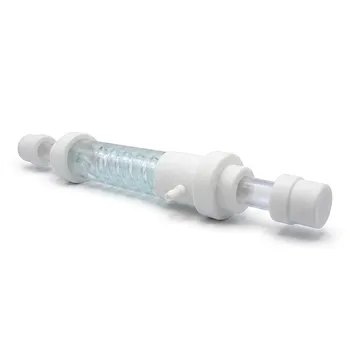
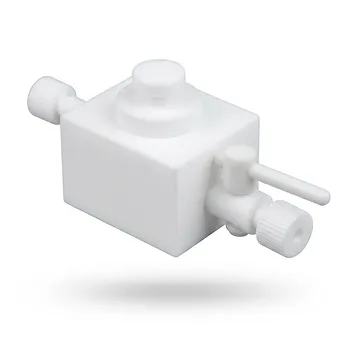
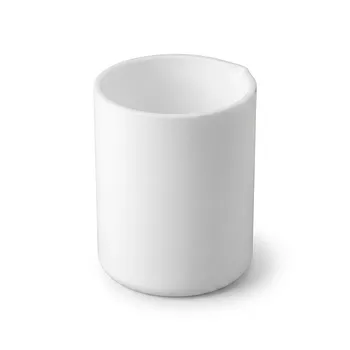
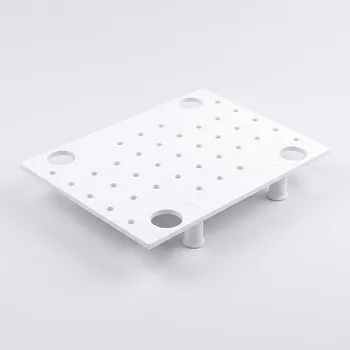
Fluoropolymers are ideal for demanding laboratory and fluid-handling applications because they combine chemical inertness, thermal stability, and exceptionally low surface adhesion. Materials such as PTFE and PFA resist aggressive acids, bases, solvents, and corrosive media while minimizing sample retention and contamination. Their smooth, low-energy surfaces also simplify cleaning, and their stability at elevated temperatures supports reliable use in reaction vessels, tubing, valves, fittings, and sample containers.
The central advantage is the combination, not any single property: fluoropolymers resist chemical attack, tolerate demanding temperatures, and interact minimally with the substances they contain or transport.
Why Fluoropolymers Protect Chemical Purity
Strong carbon–fluorine chemistry
The fluorine-rich molecular structure contains strong carbon–fluorine bonds, which contribute to resistance against chemical degradation. As a result, PTFE and PFA generally do not react readily with many aggressive laboratory reagents.
This chemical inertness helps prevent corrosion, material failure, and unwanted reactions between the container or tubing and the process fluid.
Low risk of leaching and contamination
High-purity fluoropolymer components are useful in trace analysis because they are less likely to introduce extractables or reaction products into sensitive samples than less resistant materials.
This does not mean contamination is impossible. Cleanliness, manufacturing quality, thermal history, and compatibility with the specific chemical remain important.
Biological and environmental stability
Fluoropolymers are resistant to many forms of chemical and biological degradation. This supports consistent performance in laboratory systems where components must remain stable over repeated exposure and cleaning cycles.
Why Their Surfaces Reduce Sample Loss
Exceptionally low surface energy
Fluoropolymers have very low surface energy, meaning many liquids and solids do not readily wet or bond to the surface. This produces the familiar non-stick behavior associated with PTFE and related materials.
In laboratory vessels and transfer lines, reduced adhesion can improve sample recovery and limit the amount of material left behind after dispensing, mixing, or transfer.
Hydrophobic and lipophobic behavior
The surface is generally both hydrophobic—resistant to wetting by water—and relatively oleophobic or lipophobic, meaning it has limited affinity for many oils and organic substances.
This combination helps reduce residue buildup across a broad range of aqueous and organic samples, although performance varies with the fluid, temperature, pressure, and surface condition.
Easier cleaning and lower cross-contamination
A smooth, non-adhesive surface is easier to rinse and clean than a surface that strongly retains chemicals or biological material. That is especially valuable when the same apparatus is used for successive samples.
Lower retention supports reduced cross-contamination, but it does not replace validated cleaning procedures for trace-level or regulated work.
Why They Remain Reliable at Elevated Temperatures
High thermal stability
Fluoropolymers maintain useful physical and chemical performance across a wide temperature range. Specific products may support continuous working temperatures around 260°C, while degradation or processing limits can be higher; the applicable limit depends on the polymer grade, exposure time, load, and environment.
This makes them suitable for applications such as heated chemical processing, digestion vessels, and laboratory systems exposed to thermal cycling.
Resistance to thermal degradation
Compared with many conventional plastics, fluoropolymers are less prone to rapid degradation when exposed to heat and aggressive chemicals together. They therefore retain their chemical resistance and functional integrity under demanding process conditions.
Temperature ratings must still be treated as application-specific. Mechanical strength, pressure, dimensional stability, and chemical exposure can impose lower practical limits than the material’s nominal thermal rating.
Low flammability and electrical insulation
Many fluoropolymers also provide inherent flame resistance and strong electrical insulating behavior. These characteristics can be useful in laboratory and industrial environments where electrical isolation or reduced flame propagation is important.
They are supporting advantages rather than substitutes for appropriate equipment design and safety controls.
Why They Work Well in Fluid Transfer Components
Low friction and favorable tribological behavior
Fluoropolymers typically have a low coefficient of friction, which can reduce sliding resistance and wear. This benefits valve seats, seals, liners, bearings, and moving interfaces in fluid-handling systems.
Lower friction can also help components operate smoothly and reduce the tendency for material or process residues to accumulate at contact surfaces.
Resistance to aggressive flow media
Tubing, valves, fittings, and lined pipes made from PTFE, PFA, and related materials can maintain compatibility with many corrosive acids, bases, solvents, and high-purity process chemicals.
This protects both the component and the fluid from unwanted interaction. Actual compatibility must be checked against concentration, temperature, pressure, exposure time, and mechanical stress.
Dimensional and structural reliability
Their chemical and thermal stability helps fluoropolymer components preserve their intended function over repeated service. This is particularly important for vessels and transfer parts that must maintain leak resistance and avoid introducing particles or contaminants.
However, fluoropolymers are not universally strong structural materials. Their mechanical behavior, creep resistance, permeability, and pressure capability must be evaluated for the design.
The Material Structure Behind the Performance
Fluorine-rich molecular architecture
Fluorine substitution changes the electronic environment of the polymer and shields much of the underlying carbon backbone. This contributes to low chemical reactivity, low surface energy, and resistance to many external influences.
The same molecular features help explain why fluoropolymers can be both chemically resistant and difficult to wet or bond to.
Dense and consistent material structure
High-quality, homogeneous fluoropolymer materials provide more predictable chemical and physical performance than poorly controlled or contaminated material. Consistent density and processing are important for high-purity laboratory supplies.
Manufacturing quality therefore matters alongside polymer selection, particularly for trace analysis, semiconductor processing, and other contamination-sensitive applications.
Understanding the Trade-offs
Chemical resistance does not mean universal compatibility
Fluoropolymers resist a very broad range of chemicals, but no material is immune to every combination of reagent, temperature, pressure, and exposure time.
Certain conditions can affect particular grades, and some chemicals may permeate, swell, or interact with the material under specialized conditions. Compatibility data should be reviewed for the actual operating environment.
Thermal resistance is not the same as mechanical strength
A fluoropolymer may tolerate a high temperature chemically while losing stiffness or dimensional stability under load. Pressure, clamping force, bending, and thermal cycling can therefore determine the practical operating limit.
Designers should distinguish between chemical service temperature, continuous-use temperature, and mechanical or pressure limits.
Low adhesion can make bonding difficult
The same low surface energy that prevents sample adhesion also makes fluoropolymers difficult to glue, coat, print, or bond using conventional methods.
Mechanical joining, specialized surface treatment, or purpose-designed fittings may be required.
Permeability and creep require attention
Some fluoropolymers can permit slow permeation of gases or solvents, and components under sustained stress may experience creep or cold flow. These issues matter in thin tubing, seals, pressure systems, and long-term dimensional applications.
Material thickness, grade, reinforcement, geometry, and operating conditions should be selected accordingly.
Making the Right Choice for Your Goal
The best fluoropolymer is determined by the fluid, temperature, pressure, purity requirement, and component geometry—not simply by the fact that it is fluorinated.
- If your primary focus is chemical resistance: Select a fluoropolymer grade validated for the specific reagent, concentration, temperature, and exposure duration.
- If your primary focus is sample purity: Prioritize high-purity, homogeneous material, low extractables, smooth surfaces, and a cleaning process validated for the application.
- If your primary focus is high-temperature service: Verify both the polymer’s thermal rating and its mechanical performance under the actual load and pressure.
- If your primary focus is fluid transfer reliability: Evaluate friction, wear, permeability, creep, pressure capability, and fitting compatibility in addition to chemical resistance.
- If your primary focus is easy cleaning and low carryover: Use fluoropolymer surfaces to reduce adhesion, while still applying appropriate rinsing and contamination-control procedures.
When these properties are matched carefully to the operating conditions, fluoropolymers provide a durable foundation for high-purity, chemically aggressive, and thermally demanding laboratory systems.
Summary Table:
| Property | Benefit |
|---|---|
| Chemical inertness | Resists acids, bases, and solvents; prevents corrosion and contamination |
| Low surface energy | Reduces sample adhesion and cross-contamination; easy cleaning |
| High thermal stability | Maintains performance up to 260°C in heated processes |
| Low friction | Smooth operation in valves, seals, and moving parts |
| Hydrophobic/lipophobic | Minimal wetting by water or oils; low residue buildup |
Ready to elevate your lab's performance with high-purity PTFE/PFA components? From standard vessels to custom CNC-machined parts, KINTEK delivers precision solutions tailored to your exact needs. Our fluoropolymer products are engineered for maximum chemical resistance and reliability—contact us today to discuss your requirements and get a quote. Get in touch now!
Related Products
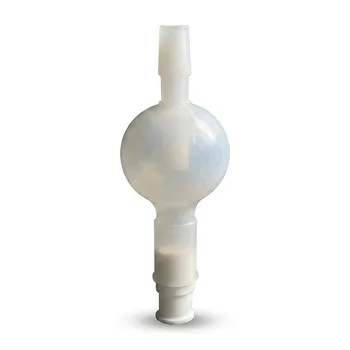
- High Purity PFA Chromatography Column with Collection Bottle Corrosion Resistant Fluoropolymer Filtration System for Trace Analysis
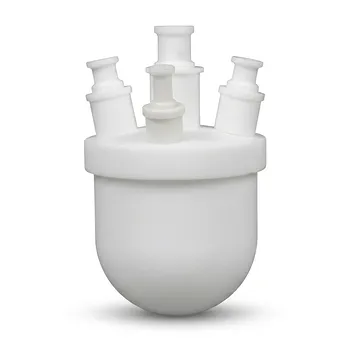
- Custom PTFE Flask 250ml High Purity Fluoropolymer Laboratory Vessel for Chemical Research
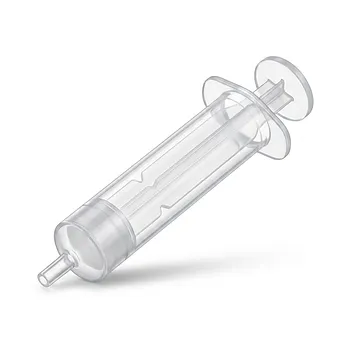
- Corrosion Resistant PFA Syringe Translucent Visual Fluoropolymer Labware 10ml Chemical Handling Tool
- Custom PTFE Reaction Tank Corrosion Resistant Fluoropolymer Chemical Processing Barrel 10L 20L 30L
- Custom PFA Tubing 1/4 Inch High Purity Corrosion Resistant Fluoropolymer Tube with Welding and Machining Services
People Also Ask
- What are the primary functional and temperature differences between PFA and FEP when selecting melt-processible fluoropolymers for custom laboratory apparatus?
- Why is the chemical stability of polymer endgroups critical when selecting melt-processible fluoropolymers like PFA for high-purity laboratory apparatus? Choose Stable Endgroups for Reliable Performance
- What are the characteristics of PFA material? A Guide to Its High-Performance Balance
- Why is Perfluoroalkoxy alkane (PFA) preferred over glass or stainless steel in pharmaceutical process development? Pure Yield
- Why is PFA superior for cleaning and preventing cross-contamination? The Gold Standard for Ultra-Trace Lab Hygiene