The synthesis of Cobalt-Iron Layered Double Hydroxide (CoFe-LDH) layers depends on a precise synergy of high temperature, high pressure, and a hermetically sealed environment. These conditions allow cobalt and iron ions to overcome kinetic energy barriers, enabling them to infiltrate microscopic pores and crystallize in an oriented manner. By maintaining an environment above the solvent's boiling point, the reactor ensures the formation of a dense, protective LDH layer that effectively seals porous templates.
Core Takeaway: A vacuum-sealed hydrothermal reactor creates an autogenous high-pressure environment that forces precursor ions into microscopic voids and provides the thermal energy necessary for uniform, high-crystallinity growth.
Overcoming Kinetic and Physical Barriers
Overcoming Kinetic Energy Barriers
The high-temperature environment within the reactor provides the necessary thermal energy for cobalt and iron ions to surpass kinetic barriers. This energy is essential for the ions to transition from the precursor solution into a stable, solid-state crystalline structure. Without this thermal boost, the reaction would proceed too slowly or fail to form the specific LDH phase required.
Deep Penetration into Micropores
High pressure is the primary driver for solvent infiltration into the micropores of Plasma Electrolytic Oxidation (PEO) templates. This pressure forces the precursor solution into deep, narrow voids that would otherwise remain inaccessible due to surface tension. This ensures the LDH grows "in-situ," effectively sealing the base layer from the inside out.
Facilitating Oriented Crystallization
The closed system promotes oriented crystallization, where the LDH nanosheets align specifically to the template’s surface. This organized growth is critical for creating a continuous and robust layer. The reactor's stability allows these nanosheets to interlock, forming a dense barrier against environmental degradation.
Achieving Superior Crystal Quality
Autogenous Pressure and Ion Diffusion
By sealing the reactor, the internal pressure increases naturally as the temperature rises above the solvent's boiling point, creating autogenous pressure. This environment significantly accelerates ion diffusion, allowing for the rapid transport of cobalt and iron complexes to the growth site. The result is the production of large-sized, morphologically uniform crystals.
High Crystallinity Through Controlled Heating
The reactor maintains a steady-state environment that is crucial for achieving high crystallinity. Sudden fluctuations in temperature or pressure can lead to defects in the LDH lattice. The sustained, high-energy environment ensures that the resulting CoFe-LDH layers are structurally sound and chemically stable.
Chemical Stability via PTFE Liners
The use of high-quality PTFE (Teflon) liners is critical for maintaining the purity of the synthesis environment. These liners provide the necessary chemical stability to withstand the strong alkaline or acidic solutions used in LDH synthesis. By preventing corrosion of the metal kettle, the liner ensures that no metallic impurities contaminate the growing LDH layers.
Understanding the Trade-offs
Equipment Wear and Maintenance
The extreme combination of high pressure and corrosive chemistry places significant stress on the PTFE liners and seal components. Over time, these liners can deform or degrade, potentially leading to leaks or pressure loss during a synthesis cycle. Regular inspection and replacement of seals are non-negotiable for consistent results.
Complexity of Reaction Kinetics
While high pressure facilitates growth, it also makes the reaction difficult to monitor in real-time. Because the system is vacuum-sealed and pressurized, researchers cannot easily sample the solution or adjust concentrations mid-process. This requires precise pre-calculation of the precursor ratios and reaction timing to avoid unwanted side phases.
How to Apply This to Your Project
Making the Right Choice for Your Goal
To achieve the best results with CoFe-LDH synthesis, your operational focus should dictate your reactor parameters:
- If your primary focus is sealing porous surfaces: Maximize the reactor pressure to ensure the precursor solution achieves deep infiltration into the PEO template’s micropores.
- If your primary focus is crystal uniformity: Prioritize precise temperature control and use high-quality PTFE liners to maintain a steady, contaminant-free environment for long-duration growth.
- If your primary focus is rapid synthesis: Increase the temperature beyond the solvent's boiling point to trigger higher autogenous pressure and accelerate ion diffusion rates.
By mastering the high-pressure hydrothermal environment, you can engineer CoFe-LDH layers with the structural integrity and uniformity required for advanced material applications.
Summary Table:
| Critical Condition | Role in Synthesis | Key Benefit |
|---|---|---|
| High Temperature | Overcomes kinetic energy barriers | Enables transition to stable crystalline structure |
| High Pressure | Drives solvent infiltration into micropores | Ensures "in-situ" growth and effective pore sealing |
| Hermetic Seal | Creates autogenous pressure environment | Accelerates ion diffusion for uniform, large crystals |
| PTFE Liner | Provides chemical stability & purity | Prevents contamination and protects reactor vessel |
Elevate Your Synthesis Precision with KINTEK
Achieving superior CoFe-LDH layers requires equipment that stands up to extreme autogenous pressure and aggressive chemical environments. KINTEK specializes in high-performance fluoropolymer solutions designed specifically for advanced material research.
From hydrothermal synthesis liners and microwave digestion vessels to high-purity PTFE and PFA labware (including beakers, digestion tubes, and fluid transfer components), we provide the chemical stability your experiments demand. Whether you require standard consumables or bespoke CNC-fabricated reaction apparatus, KINTEK ensures your setup maintains absolute purity and structural integrity.
Ready to optimize your high-pressure laboratory setup?
Contact KINTEK for Custom Fluoropolymer Solutions
References
- Mohammad Aadil, Mosab Kaseem. Dual-functional coatings with hydrophobic and anti-corrosive properties on Mg alloys via PEO and CoFe-LDH/myristic acid modification. DOI: 10.1007/s42114-025-01388-w
This article is also based on technical information from Kintek Knowledge Base .
Related Products
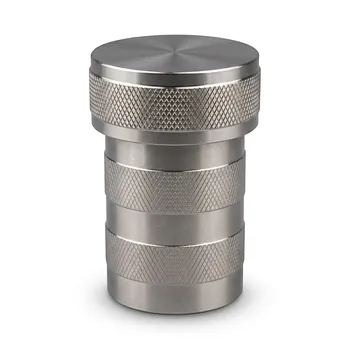
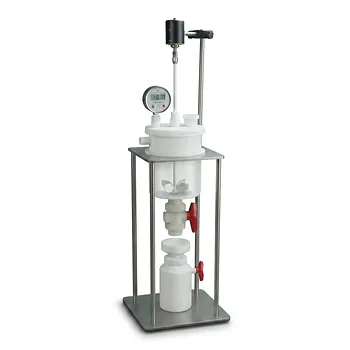
- High Temperature Corrosion Resistant Hydrothermal Synthesis Reactor with TFM Inner Liner and Straight Cylinder Design
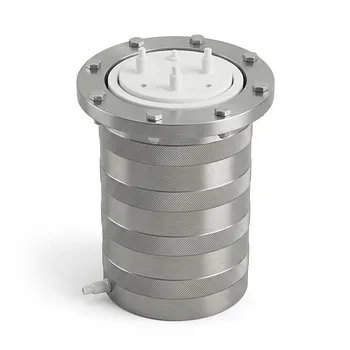
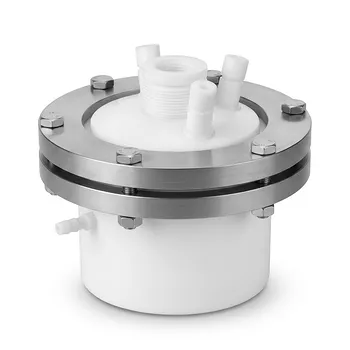
- High Pressure Custom TFM Reactor Stainless Steel Outer Vessel PTFE Inner Cup for Corrosive Synthesis
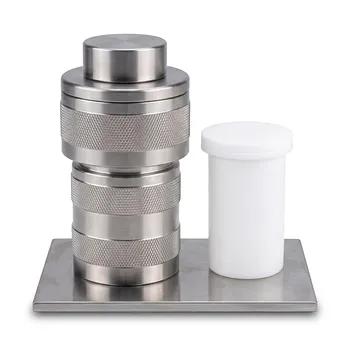
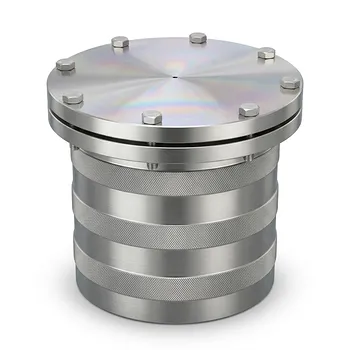
- PTFE Lined High Pressure Digestion Vessel 50ml High Temperature Hydrothermal Synthesis Tank
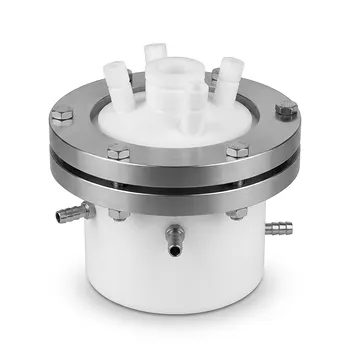
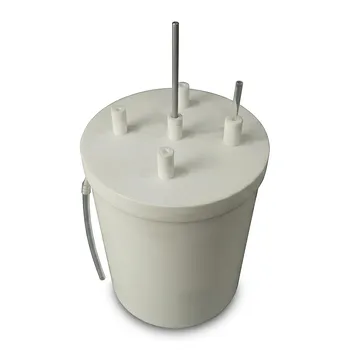
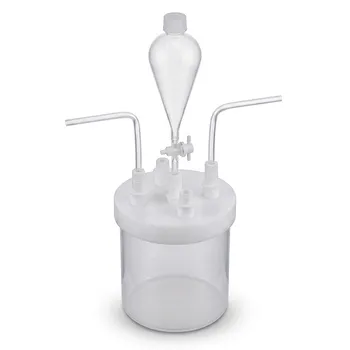
- Custom PTFE Reaction System with Hose Barb Fittings Corrosion Resistant High Sealing 2L 4L Lab Reactor with Separatory Funnel
- Customizable PTFE Reaction Vessel with Electric Stirring Paddle and Buchner Funnel Vacuum Filtration System
People Also Ask
- What is the role of a corrosion-resistant reactor in the synthesis of lignin-based carbon dots? Ensure Maximum Purity
- What are the technical advantages of using hydrothermal synthesis reactors for advanced electronic & optical nanomaterials?
- How does a hydrothermal synthesis reactor facilitate the production of crystalline materials with tailored morphologies? Precision Crystal Growth
- Why is the sealing reliability of a hydrothermal synthesis reactor critical for 24-hour cycles? Ensure Nano-Precision
- What role do hydrothermal synthesis reactors play in CQD preparation? Achieve High-Purity Nanomaterial Synthesis