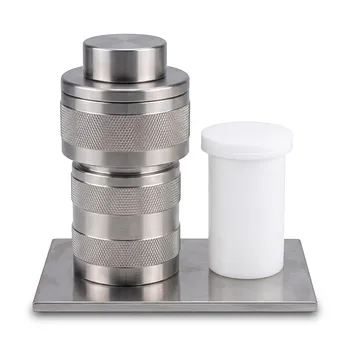
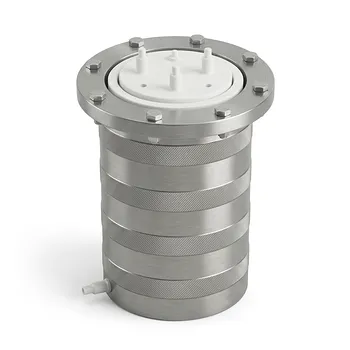
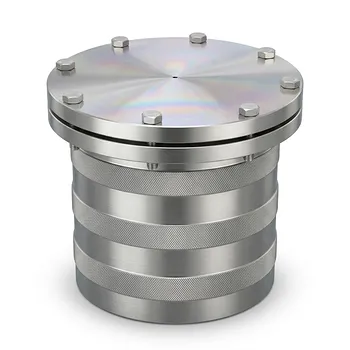
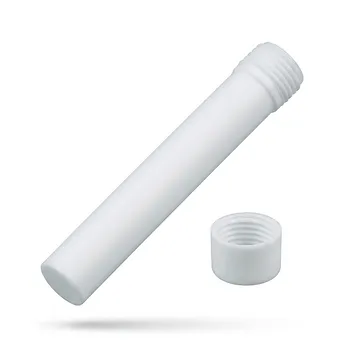
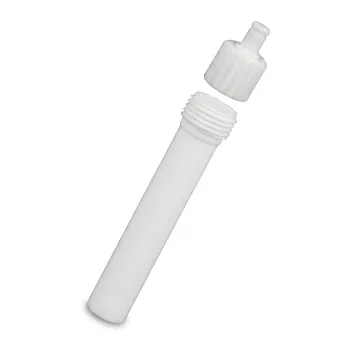
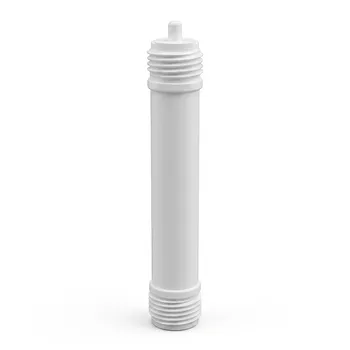
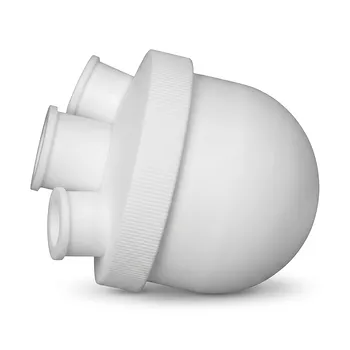
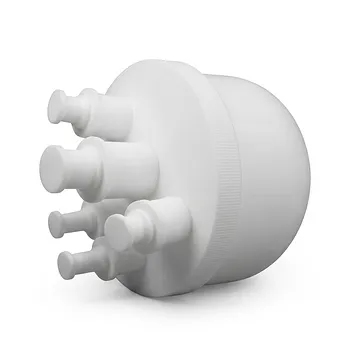
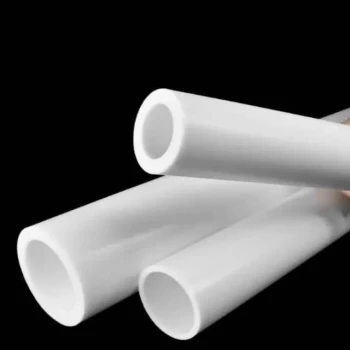
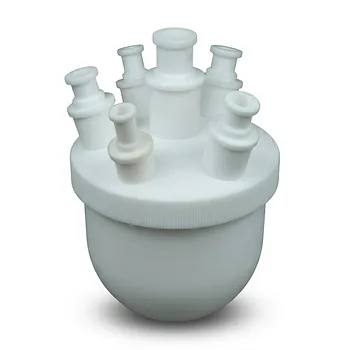
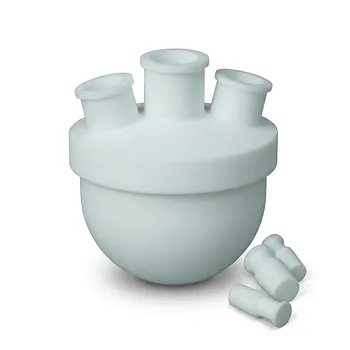
The hydrothermal synthesis of Nickel Molybdate (NiMoO4) nanodots requires a vessel liner made of high-purity Polytetrafluoroethylene (PTFE). This material is critical because it provides the necessary chemical inertness and thermal stability to withstand the 150°C reaction conditions. By effectively isolating aggressive chemical precursors from the metallic walls of the hydrothermal autoclave, the PTFE liner ensures the purity, crystallinity, and electrocatalytic performance of the resulting nanodots.
Core Takeaway: A high-purity PTFE liner is indispensable for NiMoO4 synthesis to prevent metallic contamination and ensure a stable, high-pressure environment. Without this isolation, leaching from the autoclave walls would compromise the nanodots' atomic structure and catalytic activity.
Essential Material Properties for Synthesis
Exceptional Chemical Inertness
The primary role of the PTFE liner is to act as a corrosion-resistant barrier. It prevents aggressive precursors and solvents from coming into direct contact with the stainless steel walls of the autoclave.
This isolation is vital for maintaining a pure reaction environment. Even trace amounts of iron, chromium, or nickel leaching from the vessel walls can infiltrate the crystal lattice, fundamentally altering the nanodots' properties.
Thermal Stability at 150°C
Nickel Molybdate synthesis typically occurs at a temperature of 150°C. PTFE is uniquely suited for this range as it maintains its structural integrity and does not degrade or release impurities at these elevated temperatures.
While other polymers might soften or fail, PTFE provides the thermal resistance required for steady-state reaction conditions. This stability allows the reaction to proceed over several hours without risk of vessel failure.
Impact on Nanodot Quality and Performance
Preservation of Electrocatalytic Activity
The synthesis of NiMoO4 nanodots is often targeted toward electrochemical applications where high purity is non-negotiable. Any impurities introduced by the reaction vessel can poison the catalyst and reduce its efficiency.
By using a high-purity PTFE liner, researchers ensure that the nickel atom coordination environment remains uncontaminated. This precision is what allows the nanodots to achieve their intended electrocatalytic activity.
Morphological and Crystalline Control
The liner’s ability to maintain a sealed, high-pressure environment is what facilitates the growth of uniform morphology. High pressure increases the solubility of precursors, allowing for better diffusion and controlled nucleation.
This controlled environment is essential for achieving the desired crystallinity. When the thermal field and pressure are stable, the NiMoO4 crystals can grow into defined nanodot structures rather than irregular aggregates.
Operational and Structural Requirements
Superior Sealing for High Pressure
The liner must work in tandem with the autoclave to create a hermetic seal. As the solvent is heated above its boiling point, it generates significant internal pressure.
A high-quality liner ensures that this pressure is maintained throughout the synthesis. This stable pressure control is what drives the thorough reaction between precursors into the final crystal lattice.
Non-stick Properties for Recovery
PTFE is naturally non-stick, which is a significant advantage during the post-synthesis phase. This property ensures that the synthesized nanodots do not adhere to the liner walls.
Facilitating product recovery minimizes material loss and makes the cleaning process more efficient. This also prevents cross-contamination between different synthesis batches.
Understanding the Trade-offs and Limitations
Temperature and Pressure Constraints
While PTFE is robust, it has a maximum safe operating temperature, typically around 250°C. Exceeding this limit can cause the liner to soften or undergo "creep," leading to deformation and potential seal failure.
Mechanical Wear and Deformation
Over multiple cycles of heating and cooling, PTFE liners can experience permanent deformation. This "memory effect" may eventually compromise the seal, requiring the liner to be replaced to maintain experimental consistency.
Permeability Concerns
At very high pressures, some small molecules or gases can slightly permeate into the PTFE material. While usually negligible for NiMoO4 synthesis, this factor must be considered when working with extremely sensitive volatile precursors.
How to Apply This to Your Synthesis Project
Making the Right Choice for Your Goal
- If your primary focus is maximum purity: Always source "virgin" or high-purity PTFE liners to ensure no recycled micro-impurities leach into your NiMoO4 solution.
- If your primary focus is morphological uniformity: Ensure your liner is a perfect fit for your autoclave to maintain a consistent high-pressure seal throughout the 150°C reaction.
- If your primary focus is long-term cost efficiency: Inspect liners regularly for signs of thinning or deformation and replace them immediately to avoid damaging the expensive stainless steel autoclave body.
Choosing the correct PTFE liner is the foundational step in ensuring your NiMoO4 nanodots meet the rigorous standards required for advanced electrocatalytic applications.
Summary Table:
| Feature | Requirement for NiMoO4 Synthesis | Benefit to Nanodot Quality |
|---|---|---|
| Material | High-purity Virgin PTFE | Prevents metallic leaching and lattice contamination |
| Thermal Limit | Stable at 150°C+ | Maintains structural integrity during long reactions |
| Chemical Profile | Universal Inertness | Protects precursor purity and electrocatalytic activity |
| Surface Property | Non-stick / Hydrophobic | Ensures high product recovery and easy cleaning |
| Sealing Ability | High-pressure Hermetic Seal | Facilitates uniform morphology and crystallinity |
Elevate Your Synthesis Precision with KINTEK
Achieve uncompromising purity in your Nickel Molybdate research with KINTEK’s high-performance fluoropolymer solutions. Whether you need high-purity hydrothermal synthesis liners, microwave digestion vessels, or basic labware like beakers and crucibles, we provide the chemical isolation your catalysts require.
Our extensive range includes:
- Basic Labware: Beakers, cylinders, crucibles, and reagent bottles.
- Fluid Transfer: Tubing, fittings, and valves.
- Sample Prep: Filters, pipettes, and separatory funnels.
- Advanced Apparatus: Custom electrochemical cells, battery testing fixtures, and reaction vessels.
Backed by end-to-end custom CNC fabrication, KINTEK is equipped to deliver everything from complex non-standard machined parts to high-volume orders, all crafted with an absolute focus on high-performance PTFE and PFA. Ensure the integrity of your atomic structures—contact us today to discuss your custom laboratory needs.
References
- Hamza Arif, Arif Nazir. Selective non-enzymatic electrochemical detection of dopamine using nickel molybdate nano-dots anchored on CNT fiber microelectrodes. DOI: 10.1039/d5ra05187h
This article is also based on technical information from Kintek Knowledge Base .
Related Products
- PTFE Lined High Pressure Digestion Vessel 50ml High Temperature Hydrothermal Synthesis Tank
- High Pressure Custom TFM Reactor Stainless Steel Outer Vessel PTFE Inner Cup for Corrosive Synthesis
- Custom TFM Reaction Vessel with Stainless Steel Jacket and PTFE Inner Cup for High Corrosion Resistance
- High Purity TFM Microwave Digestion Vessels PTFE Acid Evaporation Liners Domestic GT-400 Equivalent Laboratory Reaction Containers
- High Purity PTFE Microwave Digestion Vessel Replacement Liner for Acid Sample Preparation and Trace Analysis
People Also Ask
- What are the benefits of using a PTFE-lined vessel for carbon-sulfur cathode treatment? Maximize Purity & Performance
- Why are PTFE-lined pressure digestion vessels required for the preparation of Ag/CeO2 catalysts? Purity & Performance
- What is the function of high-pressure PTFE digestion vessels in mineral analysis? Optimize Sample Mineralization
- What safety features are typically incorporated into high-pressure PTFE digestion vessel designs? Ensure Lab Safety
- What is the function of PTFE lined high-pressure vessels in g-C3N4 synthesis? Achieve High-Purity Material Growth