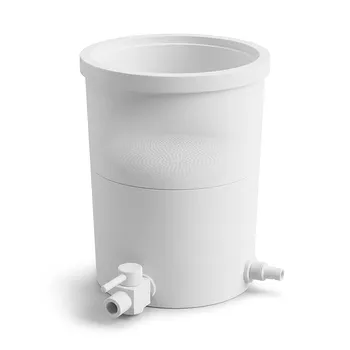
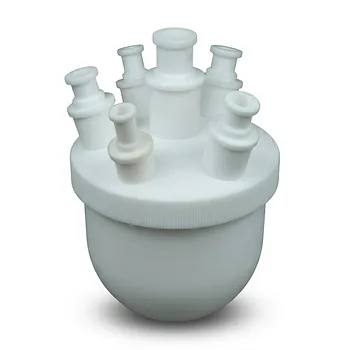
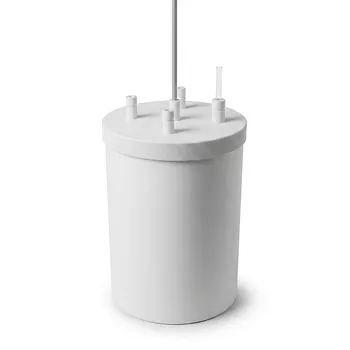
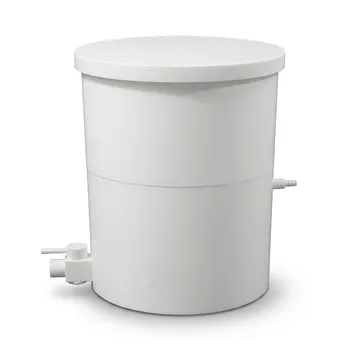
Selecting the right stirred reactor for battery recycling with Deep Eutectic Solvents (DESs) requires a focus on chemical compatibility and mechanical power. To successfully leach metals like cobalt and lithium, your equipment must prioritize materials that resist specific chemical activities—specifically high-grade stainless steel or fluoropolymer linings—while providing the torque necessary to handle high-viscosity fluids at a steady operating temperature of approximately 60°C.
The effectiveness of DES-based metal extraction depends on the reactor’s ability to maintain a stable environment for chemically active solvents. By prioritizing corrosion-resistant materials and robust agitation systems, operators can ensure long-term reliability and uniform leaching efficiency.
Prioritizing Material Integrity Against Chemical Activity
High-Grade Stainless Steel for Structural Durability
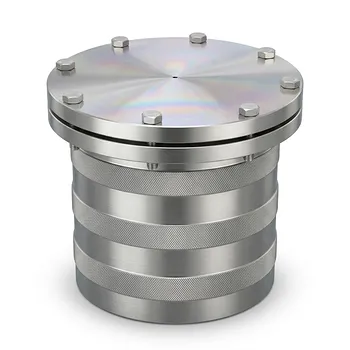
High-grade stainless steel serves as a robust baseline for many DES applications. It provides the necessary mechanical strength to handle the weight and pressure of large batches while resisting the mild but persistent chemical activity of the solvents.
Fluoropolymer Linings for Maximum Inertness
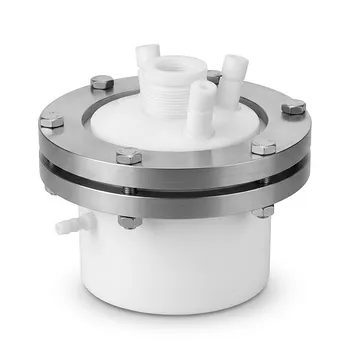
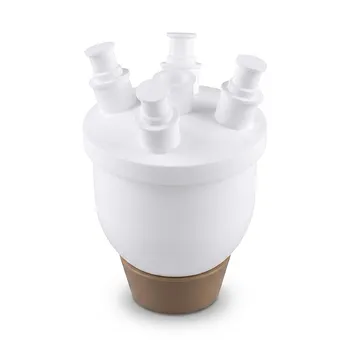
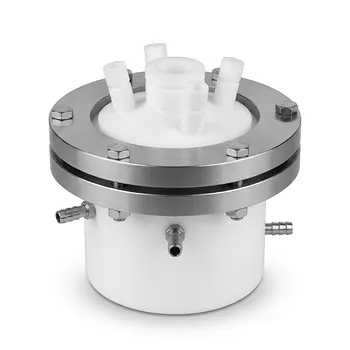
For processes involving more aggressive DES formulations, linings made of PTFE (Teflon) or PFA are essential. These materials provide a non-reactive barrier that prevents the solvent from degrading the reactor shell, ensuring the purity of the extracted metals.
Ensuring Long-Term Operational Reliability
Corrosion resistance is not just about preventing leaks; it is about maintaining process consistency. Equipment that resists degradation prevents metallic contamination from the reactor itself from entering the recovered battery material stream.
Overcoming Physical Constraints of Deep Eutectic Solvents
The Impact of High Viscosity on Agitation
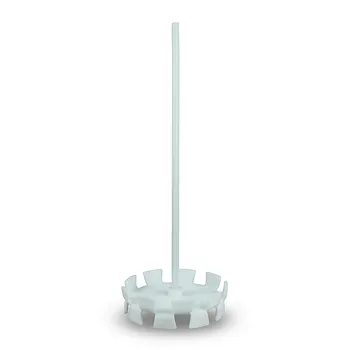
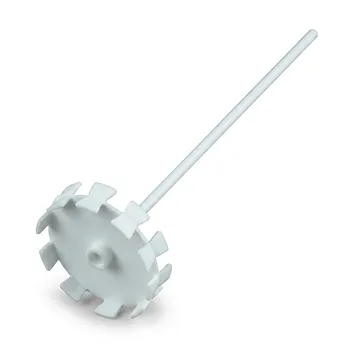
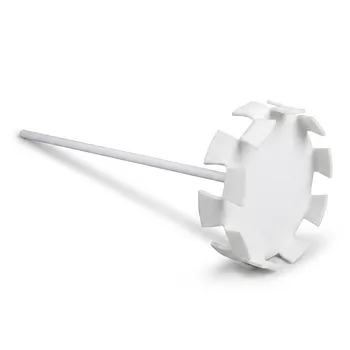
Deep Eutectic Solvents are significantly more viscous than traditional aqueous acids. This requires stirred reactors with high-torque motors and specialized impeller designs to ensure the solvent and battery powder are mixed uniformly.
Optimizing Heat Exchange for Consistent Leaching
Metal extraction with DESs typically occurs at moderate temperatures around 60°C. Efficient heat exchange jackets are necessary to maintain this precise temperature throughout the viscous mixture, as even minor fluctuations can stall the leaching process.
Facilitating Uniform Metal Leaching
A well-designed stirred reactor ensures that the DES maintains constant contact with the spent battery particles. This uniformity is the key to achieving high recovery rates for critical minerals like lithium and cobalt.
Understanding the Technical and Economic Trade-offs
Material Costs vs. Operational Lifespan
Choosing high-grade stainless steel or fluoropolymer linings involves a higher upfront capital expenditure. However, opting for cheaper, less resistant materials often leads to premature equipment failure and frequent maintenance shutdowns.
Scaling Challenges with Viscous Fluids
As reactor size increases, maintaining a uniform temperature and mixing speed becomes exponentially more difficult with DESs. Larger systems may require augmented heating elements and more complex baffle configurations to prevent stagnant zones within the tank.
Maintenance Complexity of Lined Systems
While PTFE and PFA linings offer superior protection, they require delicate handling and inspection. Physical damage to the lining can lead to "under-film" corrosion, which is difficult to detect until the structural integrity of the outer shell is compromised.
Making the Right Choice for Your Goal
To select the ideal reactor for your specific battery recycling workflow, consider the following strategic priorities:
- If your primary focus is maximum chemical purity: Prioritize reactors with PFA or PTFE linings to eliminate any risk of metal leaching from the reactor walls into your product.
- If your primary focus is high-volume throughput: Invest in high-torque agitation systems and heavy-duty stainless steel builds that can withstand the mechanical stress of mixing large, viscous batches.
- If your primary focus is energy efficiency: Select reactors with high-efficiency thermal jackets designed specifically for the 60°C range to minimize heat loss during the extraction cycle.
Selecting a reactor that balances chemical inertness with mechanical power is the most critical step in moving DES-based recycling from the laboratory to industrial success.
Summary Table:
| Selection Criterion | Key Requirement | Importance for DES Leaching |
|---|---|---|
| Material Compatibility | PFA/PTFE Linings or High-Grade SS | Prevents chemical degradation and ensures metal purity. |
| Mixing Capability | High-Torque Motors & Efficient Impellers | Overcomes high DES viscosity for uniform particle contact. |
| Thermal Management | Precision Heating Jackets (60°C target) | Maintains stable reaction rates and prevents process stalling. |
| Structural Durability | Robust Shell & Inspection-Ready Seals | Ensures long-term reliability and prevents under-film corrosion. |
Scale Your DES Metal Extraction with KINTEK Expertise
Moving battery recycling from the lab to industrial success requires equipment that can withstand aggressive chemical environments while maintaining absolute purity. At KINTEK, we specialize in high-performance fluoropolymer solutions tailored for complex processes like DES-based leaching.
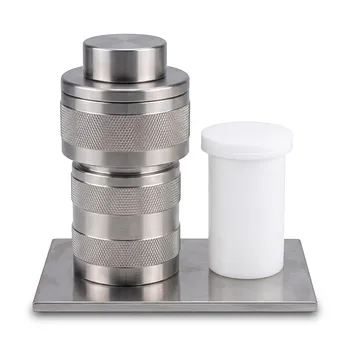
From everyday basic labware (beakers, reagent bottles, and digestion tubes) to custom-engineered reaction apparatus, our end-to-end CNC fabrication capabilities ensure your stirred reactors are equipped with the highest quality PTFE and PFA linings and components. Whether you need high-purity fluid transfer parts (tubing, valves, fittings), specialized sample prep tools, or advanced bespoke laboratory setups like hydrothermal synthesis liners and custom electrochemical cells, KINTEK delivers the chemical inertness and mechanical durability you need.
Don't let corrosion or viscosity stall your production. Contact us today to discuss your custom project and see how our absolute focus on high-performance materials can optimize your recovery rates and operational lifespan.
References
- Frank N. Crespilho, S. Lanceros‐Méndez. Sustainable Battery Biomaterials. DOI: 10.1002/celc.202400530
This article is also based on technical information from Kintek Knowledge Base .
Related Products
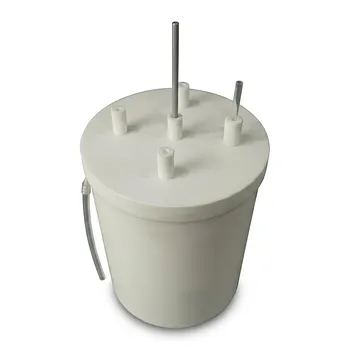
- PTFE 10L Reaction Vessel with Stirring Paddle Customizable Corrosion Resistant High Temperature Reactor for Biopharmaceutical and Chemical Processing
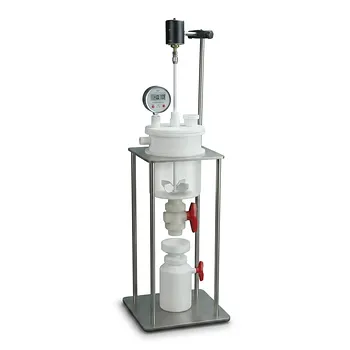
- Customizable PTFE Reaction Vessel with Electric Stirring Paddle and Buchner Funnel Vacuum Filtration System
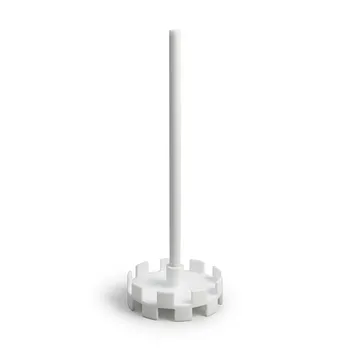
- Corrosion Resistant PTFE Stirring Impeller and Customizable Polytetrafluoroethylene Dispersion Disk
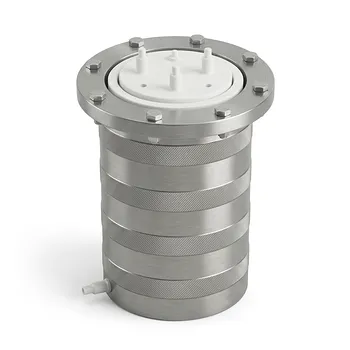
- High Pressure Custom TFM Reactor Stainless Steel Outer Vessel PTFE Inner Cup for Corrosive Synthesis
- Custom PTFE Reaction Apparatus Flange Sealed Corrosion Resistant Jacketed Vessel with Stirring Bar and Thermometer Ports
People Also Ask
- Why are high-purity PTFE or PFA reaction vessels recommended for the synthesis of PANI-TiC hybrid materials? - Guide
- How do perfluorinated solvent environments influence the selection of reaction vessels and fluid handling components in nonaqueous emulsion polymerizations? Choose fluoropolymer materials.
- What reaction vessel and fluid handling considerations are necessary for living cationic polymerization of fluorinated monomers involving Lewis acid catalysts? Key design and safety tips
- Ion Activation Reaction Vessel Requirements: Why PTFE is Critical for Membrane Performance
- Why are fluoroplastic (PTFE) reaction vessels recommended for Methylene Blue (MB) adsorption kinetic experiments?