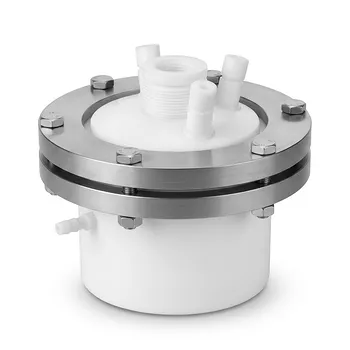
For fluid path components in photocatalytic reactors, high-purity PFA and PTFE are the definitive material requirements. These fluoropolymers provide the necessary chemical stability and resistance to photochemical corrosion required to withstand intense UV-visible light and the highly reactive radicals generated during the degradation of organic dyes.
Selecting the correct materials for tubing, valves, and fittings is critical to prevent system degradation and experimental interference. High-purity fluoropolymers like PFA and PTFE ensure that the fluid path remains inert in the presence of aggressive oxidative intermediates and high-energy light.
The Challenges of the Photocatalytic Environment
The Impact of Highly Reactive Radicals
Photocatalytic reactions, such as the degradation of methylene blue or Congo red, generate hydroxyl radicals and superoxide anions.
These species are extremely aggressive oxidative agents designed to break down organic molecules.
Standard plastic or rubber components will quickly degrade when exposed to these radicals, leading to system leaks or sample contamination.
The Role of Intense Ultraviolet-Visible Light
The reaction relies on the excitation of catalysts, such as zinc oxide (ZnO), using high-intensity UV or visible light.
Many materials undergo photochemical corrosion or solarization when subjected to prolonged exposure to these wavelengths.
Fluid path components must be constructed from materials that do not absorb these specific wavelengths, preventing interference with the intended reaction.
Technical Requirements for Fluid Path Components
Chemical Stability and Resistance
Materials like high-purity PFA (Perfluoroalkoxy) and PTFE (Polytetrafluoroethylene) are chosen for their near-universal chemical resistance.
They are uniquely capable of withstanding the chemical attack from both the original organic dyes and the various oxidative intermediates produced during the degradation process.
This resistance ensures the long-term operational stability of the experimental setup, maintaining the integrity of the results over multiple cycles.
Optical Integrity and Transmittance
While tubing is often opaque, the reaction vessels themselves require high light transmittance.
Specialized fluoropolymer cells or quartz beakers are the standard for ensuring maximum light penetration into the catalyst solution.
Using materials with high transmittance ensures that the maximum amount of energy reaches the catalyst to generate the necessary oxidative radicals.
Understanding the Trade-offs
Cost and Material Complexity
High-purity PFA and PTFE components are significantly more expensive than standard laboratory plastics like polypropylene or PVC.
The initial investment in high-grade fluoropolymers is higher, but it is necessary to avoid the recurring costs of component failure and contaminated experiments.
Researchers must balance the need for high-purity paths with the budget constraints of the laboratory, though compromising on material often leads to data inaccuracies.
Physical Limitations of Fluoropolymers
While chemically inert, PTFE is known for "cold flow" or creep, which can affect the seal integrity of fittings over time if not properly maintained.
PFA offers better mechanical properties for molded parts like valves and fittings but may still be susceptible to mechanical wear compared to metallic alternatives.
However, metallic components are generally avoided in these reactors because they can introduce metal ions that interfere with the photocatalytic process.
How to Apply This to Your Project
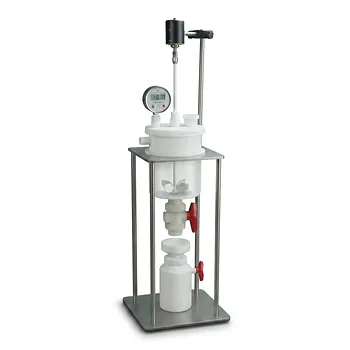
When designing or maintaining a photocatalytic reactor for organic dye degradation, your material choices should be dictated by your specific experimental parameters.
- If your primary focus is long-term operational stability: Prioritize high-purity PFA for all valves and fittings, as it offers superior mechanical seal integrity and chemical resistance.
- If your primary focus is maximum radical generation: Use quartz or specialized fluoropolymer cells for the reaction zone to ensure the highest possible light transmittance to the catalyst.
- If your primary focus is cost-effective fluid transport: Use PTFE tubing for straight runs, as it provides the necessary chemical inertness at a lower cost than PFA tubing.
By strictly adhering to high-purity fluoropolymer standards, you ensure that your experimental data reflects the true degradation kinetics of the dye rather than the decomposition of your reactor hardware.
Summary Table:
| Material | Key Property | Ideal Application in Photocatalytic Reactors |
|---|---|---|
| High-Purity PFA | Superior seal integrity & chemical resistance | Precision valves, fittings, and complex molded components. |
| High-Purity PTFE | Universal inertness & cost-effective | Straight tubing runs and general fluid transport paths. |
| Quartz / Fluoropolymer | High UV-Visible light transmittance | Reaction vessels and cells where maximum energy must reach the catalyst. |
| Standard Plastics | Low resistance to radicals | NOT RECOMMENDED; prone to leaching and photochemical corrosion. |
Secure Your Experimental Integrity with KINTEK’s Fluoropolymer Expertise
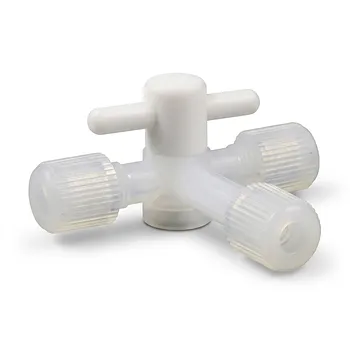
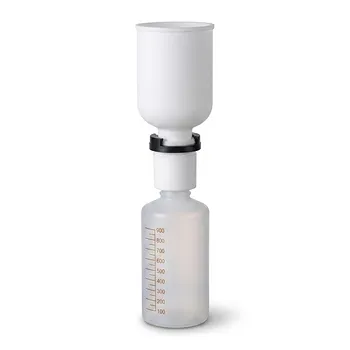
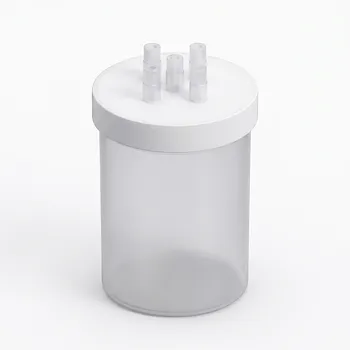
Don't let reactor degradation compromise your photocatalytic data. KINTEK specializes in high-performance fluoropolymer solutions designed to withstand the most aggressive oxidative environments. From everyday basic labware (beakers, measuring cylinders, and reagent bottles) to specialized fluid transfer components (tubing, fittings, and valves), we provide the inertness your research demands.
Why choose KINTEK?
- Comprehensive Range: We offer everything from sample prep tools (filters, pipettes, spatulas) to advanced reaction apparatus like standard or custom electrochemical cells and microwave digestion vessels.
- Precision Engineering: Backed by end-to-end custom CNC fabrication, we deliver complex non-standard machined parts and bespoke laboratory setups tailored to your reactor design.
- Material Focus: Our absolute focus on high-purity PTFE and PFA ensures zero contamination and maximum durability.
Whether you need high-volume consumables like O-rings and gaskets or a fully customized fluid path system, KINTEK is your trusted partner. Contact our technical team today to discuss your specific requirements and ensure your lab is equipped for success!
References
- Jamil A. Buledi, Amber R. Solangi. MXene-integrated two-dimensional photo-catalysts: A new frontier in sustainable degradation of organic dyes. DOI: 10.15407/spqeo28.03.306
This article is also based on technical information from Kintek Knowledge Base .
Related Products
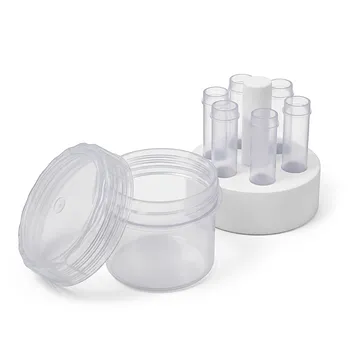
- High Purity Corrosion Resistant PFA Reaction Vessel with PTFE Holder and Integrated Sampling Tube for Trace Analysis
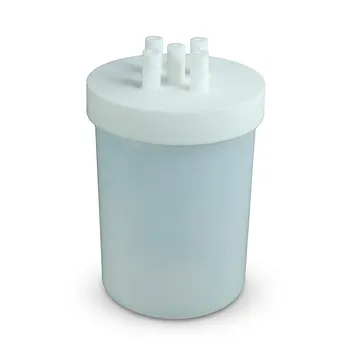
- High Purity PFA Reaction Vessel 4L Water Oxygen Separation Tank for Proton Exchange Membrane Electrolysis Experiments Customizable Laboratory Fluid Component
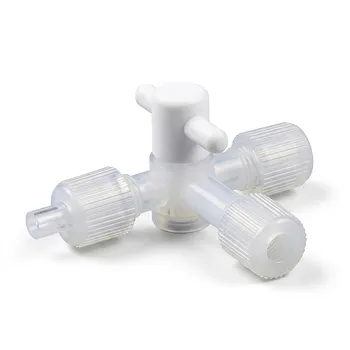
- Corrosion Resistant High Purity PFA Valve and Weldable Transparent Tubing for Semiconductor Fluid Transfer
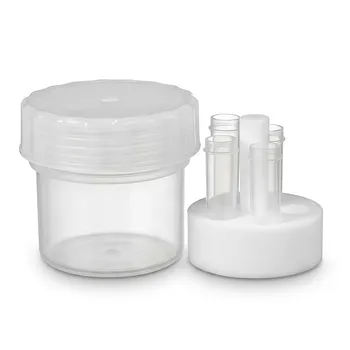
- Corrosion Resistant PTFE Support with PFA Transparent Reaction Tank and High Purity PFA Sampling Tube for Trace Analysis
- High Purity PFA Valves and Weldable Corrosion Resistant Transparent Tubing for Semiconductor Sensor Manufacturing Fluid Transfer
People Also Ask
- Why is the choice of reaction vessel material critical during B-NiBDC synthesis? Optimize MOF Purity & Performance
- How do the material choice and sealing integrity of the reaction vessel affect the growth of NiFe-LDH? Optimize Synthesis
- Why are well-sealed reaction vessels necessary for superacid-promoted Friedel-Crafts polycondensation? Optimize Synthesis
- Role of reaction vessels in alkali treatment for oil palm waste: Achieve High-Purity Cellulose with PTFE Vessels
- What is the role of high chemical inertness reaction vessels in the organic synthesis of acylhydrazone ligands? | Guide