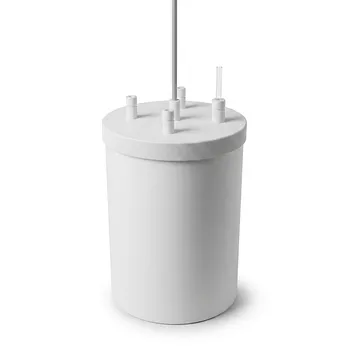
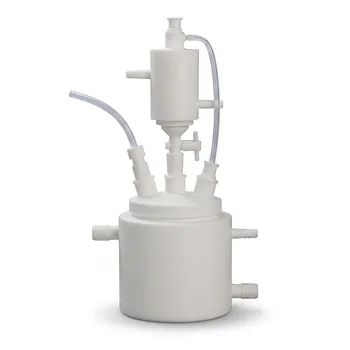
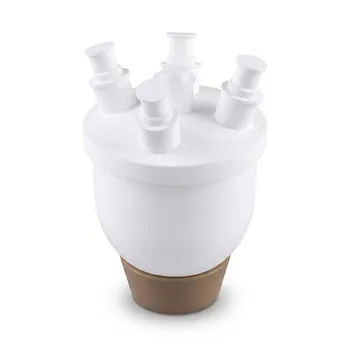
PTFE-lined hydrothermal synthesis reactors provide a chemically inert and non-stick environment that is essential for accurate protein extraction and quantification. These vessels resist aggressive detergents and reducing agents while preventing protein loss through adsorption on container walls. This ensures that nitrogen content determination—and thus the calculated extraction rate—remains precise and free from sample-related errors.
The primary advantage of PTFE liners in protein research is their ability to maintain sample integrity by preventing both chemical interference and surface binding. This dual protection ensures that the total extracted protein is available for analysis, eliminating the common sources of measurement bias found in standard metallic or glass containers.
Enhancing Analytical Precision
Prevention of Protein Adsorption
The inherent non-stick properties of Polytetrafluoroethylene (PTFE) ensure that proteins extracted from a food or biological matrix do not adhere to the vessel walls.
In standard reactors, protein molecules often adsorb onto surfaces, leading to significant nitrogen content determination errors.
By using PTFE, researchers can achieve full recovery of the extracted sample, which is critical for calculating an accurate protein extraction rate.
Resistance to Corrosive Extraction Buffers
Protein extraction often requires the use of strong detergents like Sodium Dodecyl Sulfate (SDS) and reducing agents like Dithioerythritol (DTE).
PTFE liners offer high resistance to these corrosive chemicals, which could otherwise degrade the vessel or interfere with the reaction.
This chemical resilience ensures that the extraction environment remains stable and the chemical composition of the buffer is not compromised.
Maintaining System Purity
Isolation from Metal Ion Interference
Hydrothermal synthesis occurs under high-temperature and high-pressure conditions that can cause metal ions to leach from stainless steel reactor walls.
The PTFE liner acts as a critical chemical barrier, isolating the reactants from the metal outer vessel.
Preventing metal contamination is vital for protein studies, as exogenous ions can trigger protein aggregation or alter the enzymatic activity of the sample.
Ensuring a Sealed, Constant-Pressure Environment
The PTFE liner provides a completely sealed environment that facilitates molecular interactions at elevated temperatures (e.g., 120°C–140°C).
This constant-pressure environment promotes the successful compatibility of different phases within the extraction matrix.
Such stability is necessary for the controlled growth of microstructures or the consistent breakdown of complex food matrices.
Understanding the Trade-offs
Temperature and Pressure Limitations
While PTFE is highly versatile, it has a functional temperature ceiling, typically around 200°C to 240°C.
Exceeding these temperatures can cause the liner to deform or "creep," potentially compromising the seal of the hydrothermal autoclave.
For experiments requiring temperatures above 250°C, alternative materials like Para-polyphenylene (PPL) are often required to maintain structural integrity.
Thermal Lag Considerations
PTFE is an excellent insulator, which means there is a slight thermal lag between the heating of the outer stainless steel shell and the internal reaction medium.
Researchers must account for this delay when timing their extraction processes to ensure the sample spends the required duration at the target temperature.
Additionally, the liners must be cleaned rigorously between uses to maintain their non-stick properties, as deep scratches can create sites for protein trapping.
How to Apply This to Your Project
Choosing the Right Setup for Your Goals
To maximize the effectiveness of PTFE-lined reactors in your protein extraction protocols, consider the following recommendations:
- If your primary focus is quantitative accuracy: Use PTFE liners to ensure 100% sample recovery and prevent nitrogen loss due to wall adsorption.
- If your primary focus is sample purity: Utilize the liner as a barrier to prevent metal ion leaching from the autoclave shell, which can interfere with downstream protein analysis.
- If your primary focus is working with harsh reagents: Rely on PTFE’s chemical inertness when using high concentrations of SDS, DTE, or strong alkaline solutions.
- If your primary focus is high-temperature stability (above 240°C): Consider switching from PTFE to a PPL liner to avoid material deformation and potential vessel failure.
By leveraging the non-stick and inert properties of PTFE, you can eliminate the most common variables that skew protein extraction data, ensuring your results are both reproducible and highly accurate.
Summary Table:
| Feature | Benefit for Protein Extraction | Key Considerations |
|---|---|---|
| Non-Stick Surface | Prevents protein adsorption; ensures 100% sample recovery. | Essential for accurate nitrogen determination. |
| Chemical Inertness | Resists aggressive detergents (SDS) and reducing agents (DTE). | Maintains buffer stability and liner longevity. |
| Metal Ion Isolation | Acts as a barrier against leaching from stainless steel walls. | Prevents sample aggregation and enzymatic interference. |
| Sealed Environment | Facilitates molecular interactions at 120°C–140°C. | Ideal for controlled breakdown of food matrices. |
| Thermal Stability | Maintains integrity up to 240°C. | Use PPL liners for temperatures exceeding 250°C. |
Elevate Your Analytical Precision with KINTEK Fluoropolymer Solutions
Ready to eliminate sample loss and contamination in your laboratory? At KINTEK, we provide an absolute focus on high-performance fluoropolymer materials to ensure your research integrity.
Whether you require everyday basic labware (beakers, crucibles, reagent bottles, centrifuge and digestion tubes) or advanced derivative apparatus like PTFE and PFA hydrothermal synthesis liners, battery testing fixtures, and microchannel reactors, we have the expertise to support your goals.
Why choose KINTEK?
- Comprehensive Range: From fluid transfer components (tubing, valves) and sample prep tools (filters, pipettes) to general consumables (O-rings, seal tapes).
- Bespoke Engineering: Backed by end-to-end custom CNC fabrication, we deliver everything from complex non-standard machined parts to high-volume orders.
- Purity Guaranteed: Our high-purity trace analysis instruments are designed specifically to prevent the adsorption and contamination issues that skew protein extraction data.
Contact us today to discuss your custom laboratory setup!
References
- P. Pinel, Claire Bourlieu‐Lacanal. In vitro protein digestibility of gluten-free climate-smart cowpea-based pasta. DOI: 10.1016/j.foodres.2025.116100
This article is also based on technical information from Kintek Knowledge Base .
Related Products
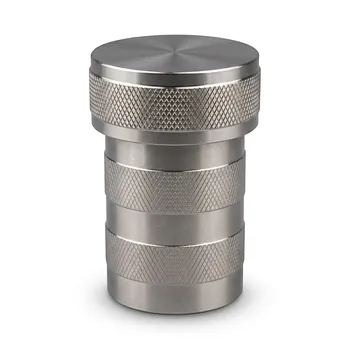
- PTFE Lined High Pressure Digestion Vessel 50ml High Temperature Hydrothermal Synthesis Tank
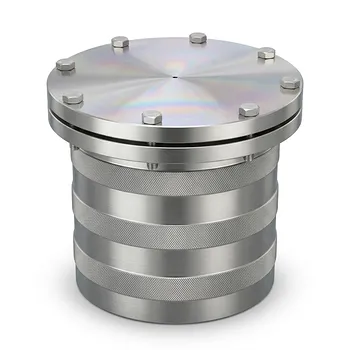
- High Pressure Custom TFM Reactor Stainless Steel Outer Vessel PTFE Inner Cup for Corrosive Synthesis
- High Temperature Corrosion Resistant Hydrothermal Synthesis Reactor with TFM Inner Liner and Straight Cylinder Design
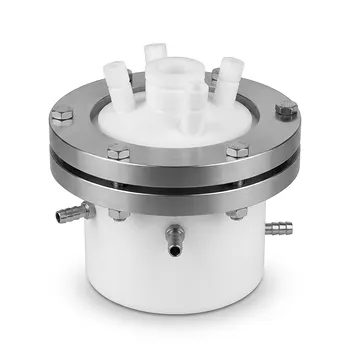
- Custom TFM Reaction Vessel with Stainless Steel Jacket and PTFE Inner Cup for High Corrosion Resistance
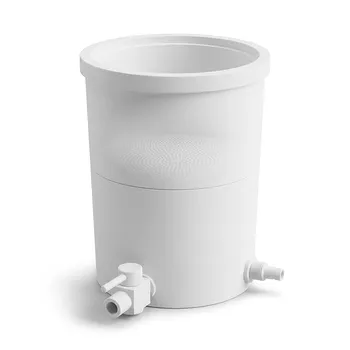
- Custom PTFE Reaction System with Hose Barb Fittings Corrosion Resistant High Sealing 2L 4L Lab Reactor with Separatory Funnel
People Also Ask
- What are the benefits of using a PTFE-lined vessel for carbon-sulfur cathode treatment? Maximize Purity & Performance
- Why are PTFE-lined pressure digestion vessels required for the preparation of Ag/CeO2 catalysts? Purity & Performance
- What safety features are typically incorporated into high-pressure PTFE digestion vessel designs? Ensure Lab Safety
- What is the function of high-pressure PTFE digestion vessels in mineral analysis? Optimize Sample Mineralization
- What is the function of PTFE lined high-pressure vessels in g-C3N4 synthesis? Achieve High-Purity Material Growth