Porous PTFE junctions provide a high-performance alternative to traditional ceramic materials in industrial sensors. They are specifically engineered to resist clogging and chemical degradation in harsh process environments, such as wastewater treatment and viscous chemical slurries. By utilizing an inherently hydrophobic surface, these junctions ensure stable pH and ORP measurements while significantly extending the sensor's operational lifespan.
The core advantage of porous PTFE junctions is their ability to maintain a consistent electrical connection in fouling environments where traditional materials fail. This results in greater measurement stability, reduced maintenance labor, and a significant decrease in costly industrial downtime.
Superior Resistance to Clogging and Fouling
The Role of Hydrophobicity
The primary strength of PTFE (Polytetrafluoroethylene) is its natural hydrophobicity, which actively repels water-based contaminants. This property prevents oils, greases, and particulates from adhering to the junction surface, which is the most common cause of sensor failure.
Prevention of Biofilm and Scaling
Unlike porous ceramics, which have "nooks and crannies" that host bacterial growth, PTFE’s low-friction surface discourages biofilm accumulation. This makes it an ideal choice for pharmaceutical fermentation broth and food processing applications where hygiene and flow are critical.
Minimal Maintenance Requirements
Because the material resists buildup, these sensors often only require periodic rinsing rather than aggressive chemical cleaning or mechanical abrasion. This simplicity reduces the risk of accidental damage during routine maintenance cycles.
Chemical Stability and Thermal Durability
Resistance to Aggressive Media
PTFE is virtually inert and can withstand exposure to extreme pH levels and aggressive chemical compounds that would dissolve or degrade other materials. This chemical stability ensures that the junction does not contaminate the process media or leach ions that could skew readings.
High-Temperature Performance
Industrial processes often operate at elevated temperatures that can cause standard gaskets and junctions to deform. Porous PTFE maintains its structural integrity across a wide operating temperature range, preventing leaks and maintaining a steady flow of the reference electrolyte.
Corrosion and Wear Resistance
The material’s low coefficient of friction and high corrosion resistance provide a long service life even in abrasive slurries. This durability reduces the "flex fatigue" often seen in softer plastics or the brittleness associated with ceramic components.
Impact on Operational Efficiency
Reduction in Industrial Downtime
By extending the interval between sensor replacements, facilities can significantly increase equipment productivity. Fewer sensor failures mean fewer emergency repairs and less time spent recalibrating drifting measurements.
Enhanced Measurement Stability
The porous structure of PTFE allows for a steady, predictable junction potential. This stability is critical for precise process control, ensuring that the pH or ORP data remains accurate over weeks or months of continuous operation.
Safety and Contamination Control
In sensitive industries like pharmaceuticals or aerospace, PTFE’s high electrical performance and reduced contamination risk enhance overall operational safety. The material's reliability ensures that critical process thresholds are monitored without interference from junction-related noise.
Understanding the Trade-offs
Initial Procurement Costs
Porous PTFE junctions typically command a higher initial price point than standard ceramic alternatives. While the total cost of ownership is lower due to longevity, the upfront investment may require justification in tight maintenance budgets.
Physical Softness and Compression
While durable, PTFE is a "softer" material than ceramic and can be susceptible to mechanical deformation if subjected to extreme pressure or over-tightening during installation. Proper housing and support within the sensor body are required to prevent the pores from compressing and restricted flow.
Response Time Nuances
In extremely clean, low-conductivity water, the flow rate of a PTFE junction may differ from that of a high-flow ceramic version. Engineers must ensure the porosity grade is correctly matched to the specific conductivity of their process to avoid a sluggish response.
How to Apply This to Your Project
When selecting a junction material for your industrial sensing needs, consider the specific demands of your process environment to maximize ROI.
- If your primary focus is wastewater or slurry processing: Prioritize porous PTFE to prevent clogging from suspended solids and oils.
- If your primary focus is high-temperature chemical manufacturing: Use PTFE for its thermal stability and resistance to aggressive acids and bases.
- If your primary focus is minimizing maintenance labor: Choose PTFE junctions to extend the time between manual cleanings and recalibrations.
- If your primary focus is ultra-pure water with low conductivity: Evaluate if a high-flow ceramic or specialized PTFE grade is necessary to maintain an adequate response time.
By shifting to porous PTFE junctions, industrial operators can transform pH and ORP monitoring from a frequent maintenance headache into a stable, reliable pillar of process control.
Summary Table:
| Feature | Advantage | Best Application |
|---|---|---|
| Hydrophobicity | Resists oils, greases, and particulates | Wastewater & Slurries |
| Chemical Inertness | Withstands extreme pH and aggressive media | Chemical Manufacturing |
| Thermal Stability | Maintains integrity at high temperatures | Industrial Processing |
| Low Friction | Prevents biofilm and scaling | Pharmaceutical & Food |
| Porous Structure | Ensures stable electrical connection | Continuous Monitoring |
Optimize Your Industrial Sensing with KINTEK
Maximize your measurement precision and equipment longevity with KINTEK, your premier manufacturer of high-performance fluoropolymer solutions. We specialize in crafting virtually all laboratory supplies from PTFE and PFA, ensuring your operations resist fouling and chemical degradation.
Whether you require:
- Everyday Labware: Beakers, crucibles, dishes, and reagent/wash bottles.
- Fluid Transfer & Filtration: Tubing, fittings, valves, filters, and separatory funnels.
- Advanced Apparatus: Custom electrochemical cells, battery testing fixtures, and microwave digestion vessels.
- Bespoke Engineering: End-to-end custom CNC fabrication for complex non-standard machined parts.
From high-volume orders to unique laboratory setups, KINTEK provides the high-performance materials your process demands. Don't let sensor failure or material degradation slow you down—contact our experts today to discover how KINTEK can deliver the reliability you need.
Related Products
- High Purity PTFE Filter with PFA Valve Connections and Integrated Sieve Plate for Corrosive Fluid Processing
- PTFE Corrosion Resistant Filter with PFA Valve Connections and Integrated Sieve Plate
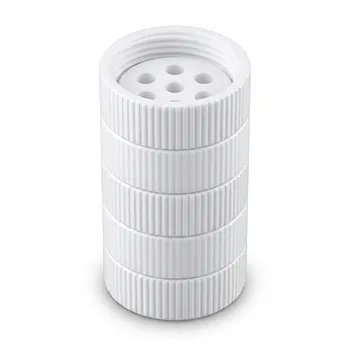
- High Temperature PTFE Reaction Sieve with Customizable Layers and Precision Pore Sizes for Threaded Sample Separation Devices
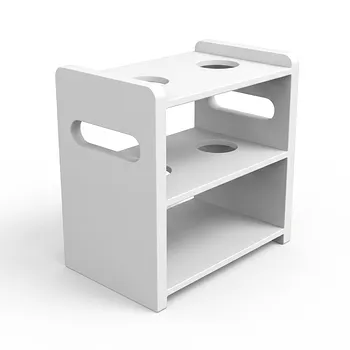
- Custom PTFE Acid Resistant Support Rack for PFA Hydrogen Absorption Systems Multi Hole Configurations
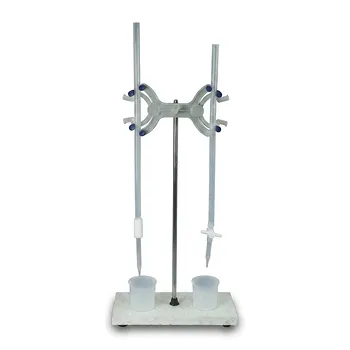
- High Purity PTFE PFA Burette Translucent Acid Base Resistant Reusable Laboratory Titration Equipment
People Also Ask
- Which chemicals are fully compatible with PTFE filters? Discover Unmatched Chemical Resistance
- What sizes and pore options are available for PTFE filters? Choose the Right Filter for Your Application
- What steps are involved in selecting the proper PTFE filter? A 4-Step Guide to Optimal Filtration
- How does the hydrophobicity of PTFE filters benefit their use? Ensure Uninterrupted Gas Flow and Solvent Filtration
- What temperature resistance do PTFE filters offer? Unmatched Thermal Stability from -200°C to +260°C