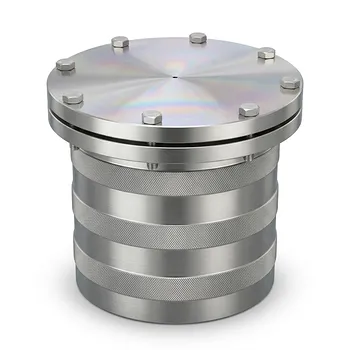
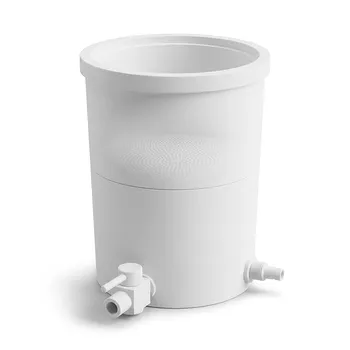
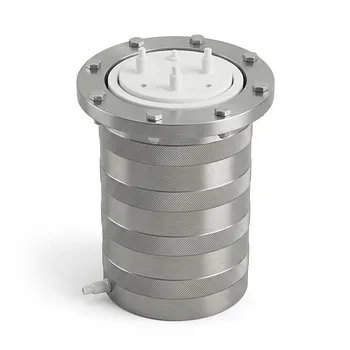
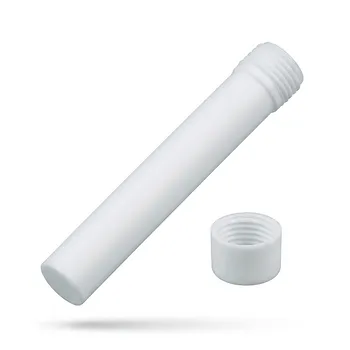
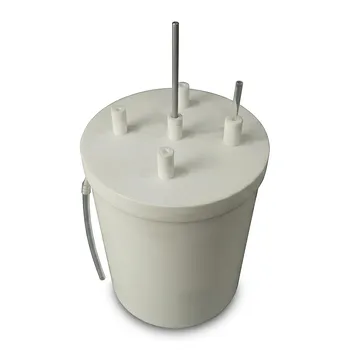
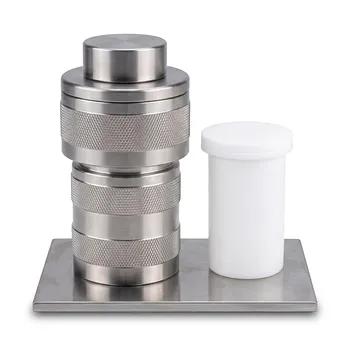
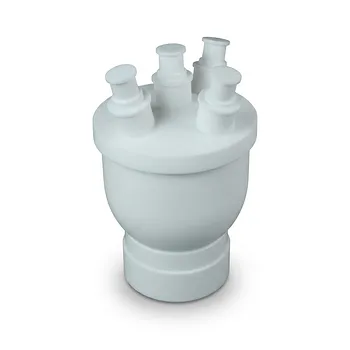
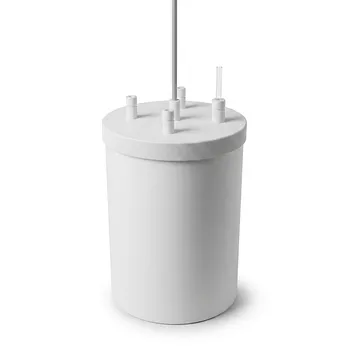
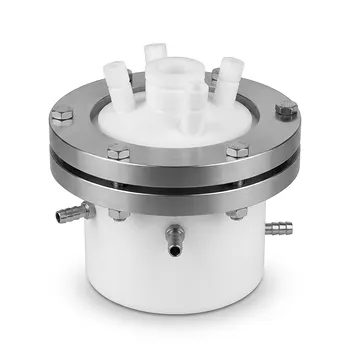
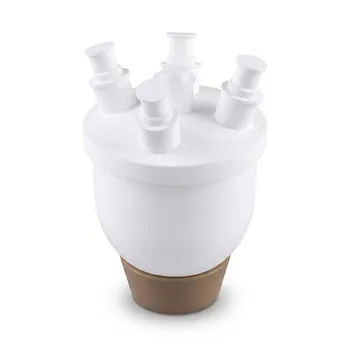
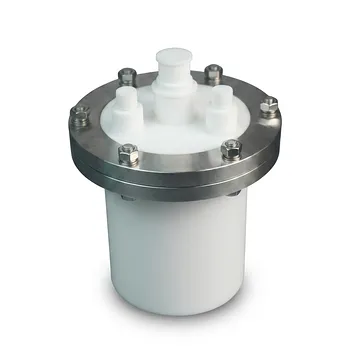
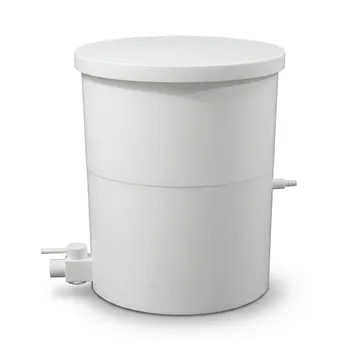
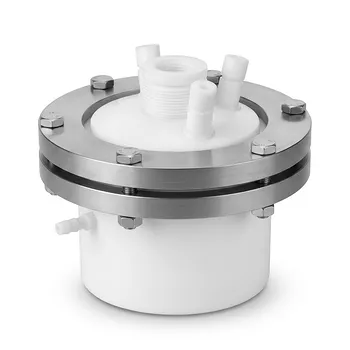
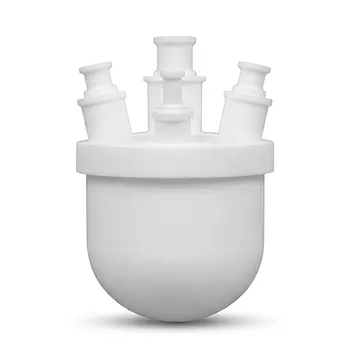
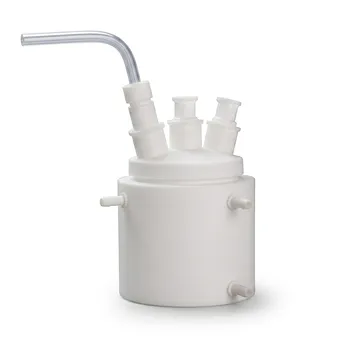
PTFE-lined reactors are the definitive solution for the high-purity synthesis of MCTA nanocomposites. By combining the structural strength of a stainless steel shell with the chemical inertness of a polytetrafluoroethylene (PTFE) liner, these vessels prevent metallic contamination and ensure the structural integrity of the final catalyst.
The core advantage of a PTFE-lined reactor lies in its ability to isolate corrosive precursors from the metal reactor walls during high-temperature hydrothermal synthesis. This creates a pristine environment that ensures MCTA nanocomposites achieve regular morphology, consistent catalytic activity, and high chemical purity.
Maintaining Absolute Material Purity
Preventing Metal Ion Contamination
In hydrothermal synthesis environments reaching 200°C, corrosive precursors can aggressively erode the metal walls of a standard reactor. A PTFE liner acts as an impenetrable barrier, preventing metal ions from leaching into the reaction and contaminating the MCTA nanocomposites.
Chemical Inertness Under Extreme Conditions
PTFE offers near-universal resistance to strong acids, strong bases, and organic solvents. This chemical stability ensures that the reaction system remains stable, regardless of the aggressive chemical nature of the precursors used in the synthesis process.
Protection of the External Pressure Vessel
While the stainless steel outer shell provides the necessary mechanical strength to withstand high pressures, it is vulnerable to chemical attack. The liner protects this structural foundation, extending the lifespan of the autoclave and maintaining safety standards during high-pressure cycles.
Optimizing Nanocomposite Morphology
Achieving Uniform Thermodynamic Reactions
The smooth, non-reactive inner walls of the PTFE liner facilitate uniform thermodynamic conditions across the entire reaction volume. This consistency is critical for producing MCTA catalysts with regular morphology and predictable performance characteristics.
Facilitating Precision Heterojunctions
For nanocomposites involving multiple phases, such as ZnO anchored on rGO or NC/TiO2, the PTFE environment promotes successful compatibility. The sealed, constant-pressure environment allows for the precise molecular interactions required to form stable heterojunction structures.
Controlled Nanocrystal Growth
The inert surface of the liner prevents "site-specific" reactions that might occur on a metallic surface. This ensures that nanocrystal growth is governed solely by the intended chemical pathways rather than unintended catalytic effects from the reactor walls.
Enhancing Product Recovery and Yield
Superior Non-Stick Properties
PTFE is inherently non-stick, which is a vital advantage when synthesizing high-viscosity polymer products or sticky nanomaterials. This property ensures that the synthesized MCTA nanocomposites do not adhere to the vessel walls, maximizing the final yield.
Simplified Cleaning and Maintenance
The anti-stick nature of the liner significantly reduces the effort required for post-synthesis cleaning. This minimizes the risk of cross-contamination between batches and reduces the loss of valuable raw materials.
Full Sample Recovery
In complex extractions or syntheses, preventing the adsorption of materials onto the container walls is essential. The PTFE liner ensures that the entirety of the synthesized product can be collected, which is critical for maintaining accurate nitrogen content or mass balance calculations.
Understanding the Technical Trade-offs
Temperature Limitations
While PTFE is highly stable, it has a maximum operating temperature—typically around 200°C to 250°C. Exceeding these limits can cause the liner to soften or deform, potentially compromising the seal and damaging the reactor.
Heat Transfer Rate
PTFE is an insulator, meaning it does not conduct heat as efficiently as a standard stainless steel wall. Users must account for a slight lag in thermal stabilization when heating the reactor to the target synthesis temperature.
Pressure Dependency
The PTFE liner itself cannot withstand high pressure; it relies entirely on the structural support of the metal autoclave. If the liner is improperly seated or damaged, the corrosive reaction fluid can reach the steel shell, leading to catastrophic failure under pressure.
Selecting the Right Configuration for Your Synthesis
To achieve the best results with MCTA nanocomposites, your reactor choice should align with your specific research or production priorities.
- If your primary focus is Chemical Purity: Utilize a high-quality PTFE or PFA liner to ensure zero metal ion leaching, especially when working with strong acids at 200°C.
- If your primary focus is Morphological Consistency: Rely on the smooth internal surface of the PTFE liner to maintain uniform thermodynamics and produce regular catalyst structures.
- If your primary focus is Maximizing Yield: Leverage the non-stick properties of the liner to facilitate the complete recovery of high-viscosity or nanomaterial products.
By prioritizing the chemical isolation provided by PTFE, you ensure that the performance of your MCTA nanocomposites is a result of your chemistry, not reactor interference.
Summary Table:
| Feature | Advantage | MCTA Synthesis Benefit |
|---|---|---|
| Chemical Inertness | Zero metal ion leaching | Ultra-high chemical purity |
| Non-stick Surface | Minimal material loss | Maximum product recovery & yield |
| Thermal Stability | Uniform reaction environment | Regular morphology & consistent activity |
| Structural Protection | Shielded stainless steel shell | Enhanced reactor safety & lifespan |
Elevate Your Synthesis with KINTEK’s Fluoropolymer Expertise
Achieve unparalleled purity in your MCTA nanocomposite research with KINTEK’s high-performance PTFE and PFA solutions. From everyday basic labware like beakers, crucibles, and reagent bottles to advanced reaction apparatus including hydrothermal synthesis liners, microwave digestion vessels, and custom electrochemical cells, we provide the chemical isolation your precision chemistry demands.
Backed by end-to-end custom CNC fabrication, KINTEK is equipped to deliver everything from high-volume consumables (O-rings, tubing, and filters) to bespoke, complex laboratory setups. Our exclusive focus on fluoropolymers ensures your results are driven by your science, not reactor interference.
Contact KINTEK today to discuss your custom project and secure the precision your lab requires!
References
- Fatemeh Mollaie, Davoud Balarak. Optimization of photodegradation of acid blue 1 dye on aluminosilicate supported Cu doped TiO2 magnetic nanocatalyst using response surface methodology. DOI: 10.1038/s41598-025-89968-0
This article is also based on technical information from Kintek Knowledge Base .
Related Products
- Custom TFM Reaction Vessel with Stainless Steel Jacket and PTFE Inner Cup for High Corrosion Resistance
- Large Scale PTFE Double Layer Reaction Tank with Integrated Filter Plate for Chemical Processing
- High Pressure Custom TFM Reactor Stainless Steel Outer Vessel PTFE Inner Cup for Corrosive Synthesis
- High Purity TFM Microwave Digestion Vessels PTFE Acid Evaporation Liners Domestic GT-400 Equivalent Laboratory Reaction Containers
- PTFE 10L Reaction Vessel with Stirring Paddle Customizable Corrosion Resistant High Temperature Reactor for Biopharmaceutical and Chemical Processing
People Also Ask
- Why are high-performance pressure-resistant reaction vessels required for oxygen-assisted hydrothermal conversion at 150 °C?
- Why are high-quality fluoropolymer-lined reaction vessels required for alk-Ti3C2Tx MXene? Ensure Purity & HF Resistance
- How do magnetic stirring and reaction vessels impact MOF-derived carbon quality? Optimize Your Composite Performance
- Why are PTFE-lined reaction vessels necessary for forced degradation studies? Ensure high-purity results and accuracy.
- Why is a high-purity PTFE lined reaction vessel required for the acidic etching of MXenes? Ensure Material Purity.