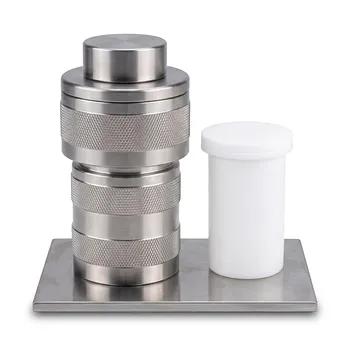
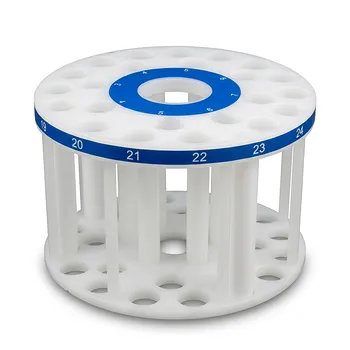
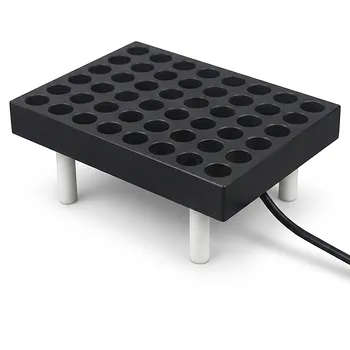
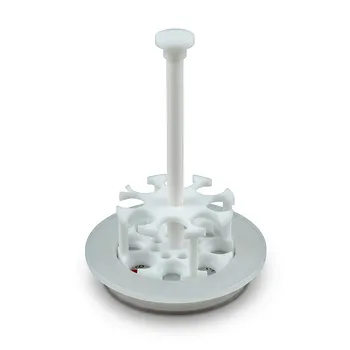
The digestion reactor is the critical hardware component that provides a controlled thermodynamic environment for the redox reaction between soil organic matter and potassium dichromate. By precisely regulating digestion temperature and duration, it ensures that all carbon elements within the soil are completely oxidized. This thorough oxidation is the essential prerequisite for obtaining accurate carbon content data through subsequent titration or colorimetric analysis.
The digestion reactor transforms a volatile chemical reaction into a standardized analytical process by providing uniform heating and a closed environment. This ensures complete oxidation of organic carbon while protecting the integrity of the reagents and the safety of the laboratory.
Achieving Complete Oxidation through Thermodynamic Control
Precise Temperature Regulation
The reactor maintains the high temperatures necessary for the potassium dichromate-sulfuric acid oxidation process to occur. Consistent heating ensures that the energy threshold for the redox reaction is met, allowing for the total breakdown of organic materials.
Standardizing Reaction Duration
By allowing for the precise control of digestion time, the reactor prevents variations that could lead to incomplete reactions. This consistency is vital for accurately assessing how external organic materials, such as compost or waste, have influenced soil composition.
Ensuring Uniform Heat Distribution
Specialized reactors provide a uniform heating environment that accelerates the oxidation process across the entire sample. This prevents "cold spots" within the digestion vessel that could lead to underestimating the actual soil organic carbon (SOC) levels.
Maintaining System Integrity and Chemical Accuracy
The Role of the Closed System
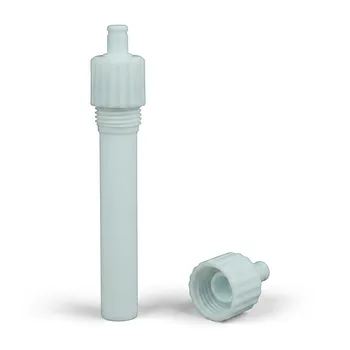
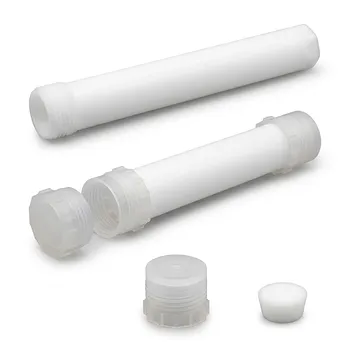
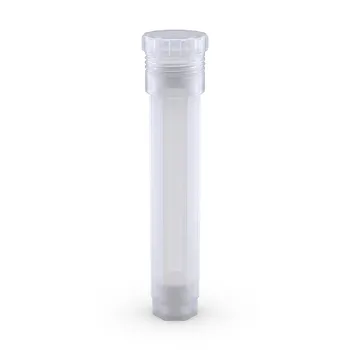
Digestion tubes equipped with stoppers create a closed system that prevents the volatilization of strong oxidizing reagents. This containment ensures that the concentration of the reaction mixture remains constant, which is critical for the accuracy of the final data.
Preventing Reagent Loss
The reactor environment prevents the escape of steam and acid mists during the high-temperature heating phase. By keeping the reactants within the vessel, the reactor ensures that the stoichiometric balance required for the redox calculation is preserved.
Material Resistance to Corrosive Reagents
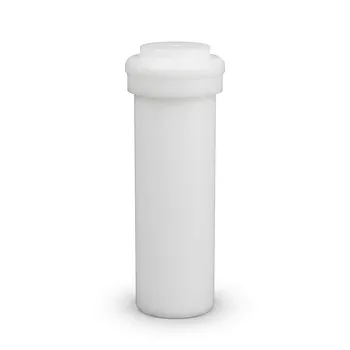
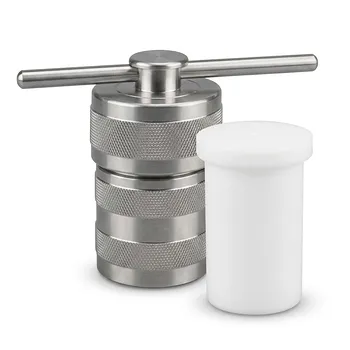
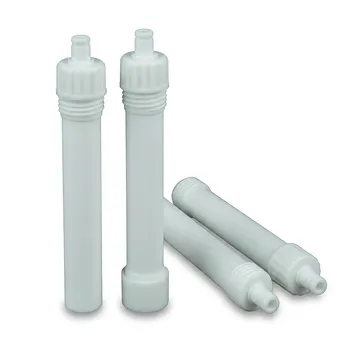
High-quality digestion vessels are often constructed from materials with high thermal shock resistance or specialized fluoropolymer linings. These materials withstand the aggressive nature of concentrated sulfuric acid, preventing sample contamination or vessel failure during the experiment.
Understanding the Trade-offs and Limitations
Heating Uniformity vs. Throughput
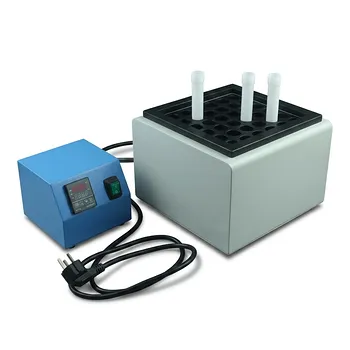
While large-batch reactors increase laboratory efficiency, they can sometimes suffer from temperature gradients between the center and the edges of the heating block. If not properly calibrated, this can lead to inconsistent oxidation results across a single batch of samples.
Material Degradation over Time
Even the most resistant digestion vessels will eventually succumb to surface etching or degradation from repeated exposure to strong oxidants. Using degraded vessels can introduce physical risks or lead to sample loss if the integrity of the seal is compromised.
Risks of Over-Digestion
Excessive heat or prolonged digestion times can occasionally lead to the thermal decomposition of the dichromate itself, independent of the soil carbon. This "blank" reaction can result in a false-positive inflation of the calculated organic carbon content.
Making the Right Choice for Your Goal
How to Apply This to Your Project
To ensure the most accurate Soil Organic Carbon determination, consider your specific operational priorities when selecting or using a digestion reactor:
- If your primary focus is analytical precision: Prioritize a reactor with a high-accuracy digital thermostat and specialized fluoropolymer-lined vessels to ensure maximum chemical resistance and temperature stability.
- If your primary focus is laboratory safety: Ensure your digestion tubes use high-quality stoppers and are placed within a reactor that features a built-in fume containment or exhaust interface.
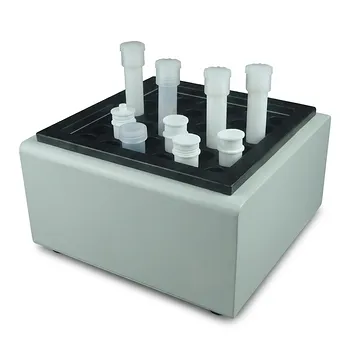
- If your primary focus is high-throughput testing: Use a multi-well block reactor that has been verified for thermal uniformity across all ports to ensure consistent oxidation for every sample in the batch.
The digestion reactor serves as the indispensable thermal anchor that makes the quantitative analysis of soil organic carbon both possible and repeatable.
Summary Table:
| Key Role | Analytical Benefit | Crucial Hardware Feature |
|---|---|---|
| Thermal Control | Ensures complete carbon oxidation | Digital precision thermostats |
| Uniform Heating | Consistent results across all samples | Calibrated multi-well heating blocks |
| Reagent Containment | Maintains stoichiometric accuracy | High-integrity digestion tube seals |
| Corrosion Resistance | Prevents sample contamination | High-performance fluoropolymer linings |
Elevate Your Analytical Precision with KINTEK’s Fluoropolymer Labware
Achieving accurate Soil Organic Carbon (SOC) data requires hardware that can withstand extreme chemical environments. KINTEK specializes in manufacturing high-performance laboratory supplies crafted exclusively from PTFE and PFA, ensuring your digestion processes remain free from contamination and material failure.
From high-purity digestion tubes, beakers, and reagent bottles to advanced custom-machined reaction apparatus and electrochemical cells, our end-to-end custom CNC fabrication capabilities allow us to deliver everything from complex non-standard parts to high-volume consumables. Whether you need standard labware like stirring bars and filtration tools or bespoke laboratory setups for trace analysis, KINTEK provides the durability and chemical resistance your research demands.
Ensure absolute integrity in your soil analysis—Contact KINTEK today to discuss your custom requirements or request a quote!
References
- Xiaorong Yang, Long Wan. Five Years of Natural Vegetation Recovery in Three Forests of Karst Graben Area and Its Effects on Plant Diversity and Soil Properties. DOI: 10.3390/f16010091
This article is also based on technical information from Kintek Knowledge Base .
Related Products
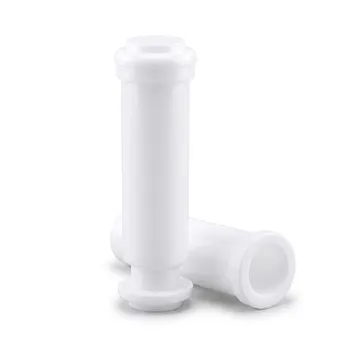
- Corrosion Resistant PTFE Digestion Tube White Opaque Tubular Bottle for Geological Mineral Sample Preparation Screw Cap Sealed Laboratory Vessel
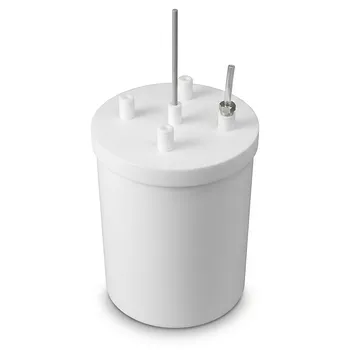
- Large Corrosion Resistant PTFE Reaction Tank Integrated Digestion Barrel Leak Proof Vessel
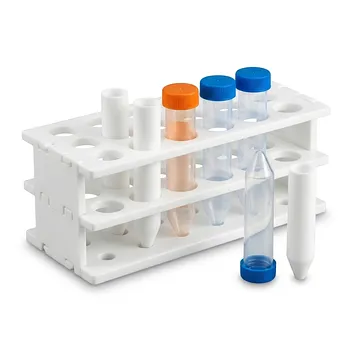
- Custom PTFE Digestion Tubes and Corrosion Resistant Centrifuge Tube Racks for Low Background Trace Analysis
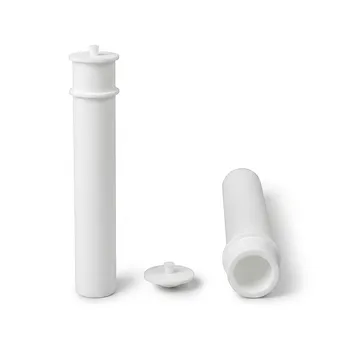
- Custom PTFE Digestion Tube Double Sided Openable High Temperature Corrosion Resistant Low Background
- Custom High Purity TFM Microwave Digestion Vessel 100ml for Analytical Laboratory Sample Preparation
People Also Ask
- How do PTFE digestion tubes facilitate the analysis of food and agricultural products? Ensure High-Purity Mineralization
- What is the primary role of a PTFE digestion tube in analytical chemistry? Ensure High Purity and Trace Accuracy
- How does a PTFE digestion tube facilitate sample decomposition in a conventional hot-block heating system? Boost Efficiency & Purity
- Which types of mineral acids are compatible with PTFE digestion tubes? Ensure Trace Purity and Acid Resistance
- How does the synergy of pressure and temperature within a PTFE digestion tube improve digestion efficiency? Accelerate Sample Prep