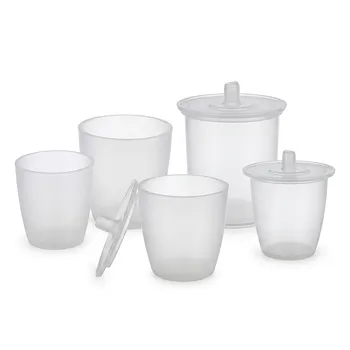
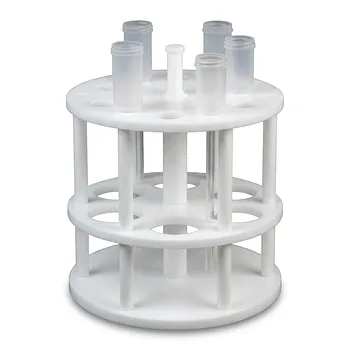
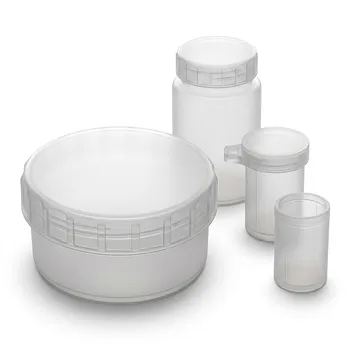
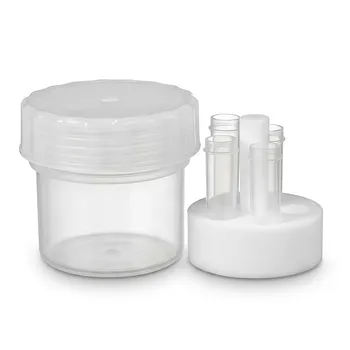
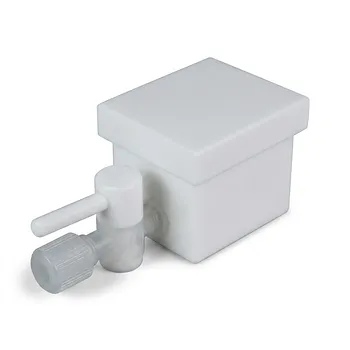
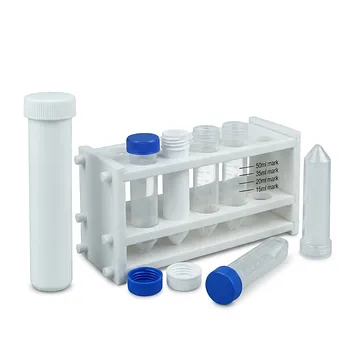
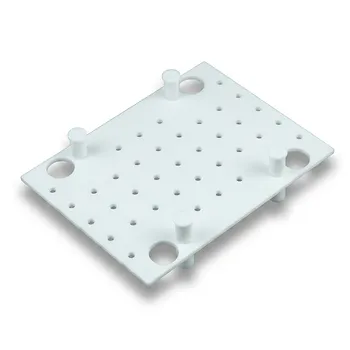
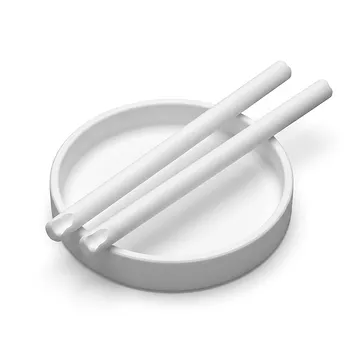
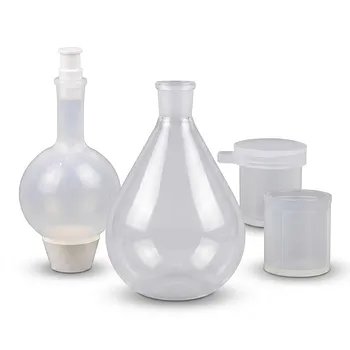
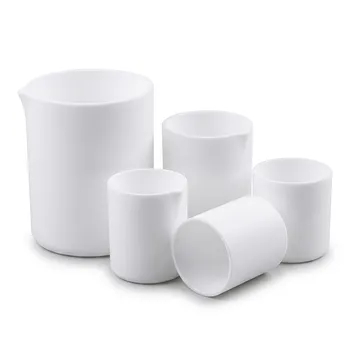
High-purity PFA and PTFE laboratory products are essential for sol-gel supercapacitor electrode preparation because they eliminate trace element leaching and prevent chemical interference during prolonged processing. This material integrity ensures that the precursor solution remains free of metal ion impurities throughout the mixing, digestion, and gelation stages. Ultimately, this leads to carbon-based composite materials with superior electrochemical cycling stability and highly reproducible performance.
The use of high-purity fluoropolymers like PFA and PTFE acts as a critical safeguard, preventing container-borne contaminants from poisoning the delicate chemical structure of the electrode. By maintaining the intrinsic purity of the sol-gel precursor, these materials ensure that the final supercapacitor achieves its maximum theoretical lifespan and storage capacity.
The Role of Material Inertness in the Sol-Gel Process
Preventing Precursor Interference
The sol-gel process involves the transition of a system from a liquid "sol" into a solid "gel" phase, a process highly sensitive to the chemical environment. PTFE and PFA exhibit extreme chemical inertness, ensuring that the aggressive precursors or solvents used in the solution do not react with the container walls.
Avoiding Silicate Contamination
Unlike standard laboratory glassware, high-performance fluoropolymers do not leach silicates or other inorganic ions into the solution. In supercapacitor research, even trace amounts of leached silica can alter the structural formation of the carbon-based composite, leading to unpredictable electrochemical behavior.
Supporting Prolonged Digestion Phases
Sol-gel preparation often requires extended periods of mixing and thermal digestion to achieve the desired viscosity and pore structure. The thermal stability and non-reactive nature of PFA allow these processes to occur over days without the risk of the container degrading or introducing impurities over time.
Eliminating Trace Element Contamination
Guarding Against Metal Ion Leaching
Trace metal ions leached from lower-quality plastics or glass can act as unintended dopants or catalysts. High-purity PFA and PTFE provide an extremely low trace element background, which is critical for ensuring that the final electrode’s performance is a result of its design rather than external contamination.
Protecting Catalytic Sites
In composite electrodes where platinum or other electrocatalysts are incorporated, the presence of organic pollutants or metal ions can "poison" active sites. Utilizing fluoropolymer labware prevents the reduction of catalytic activity, ensuring that the kinetic data collected during testing is accurate and reliable.
Maintaining Electrolyte Integrity
Supercapacitor performance depends heavily on the transport characteristics of the electrolyte within the electrode pores. By using non-stick, high-purity containers, researchers ensure that the electrolyte remains free of contaminants that could interfere with ion mobility or the electrical double-layer formation.
Enhancing Electrochemical Performance and Stability
Ensuring Long-Term Cycling Stability
The primary benefit of maintaining high chemical purity during the sol-gel stage is the long-term electrochemical cycling stability of the final product. Contaminants often accelerate the degradation of the electrode material during repeated charge and discharge cycles, a failure point that high-purity labware helps avoid.
Improving Data Reproducibility
Consistency is the hallmark of professional research, and impurities are the primary enemy of reproducibility. Using PFA or PTFE components, such as magnetic stir bars and reagent bottles, eliminates external variables, allowing for the accurate theoretical fitting of experimental data.
Hydrophobic Surface Benefits
The hydrophobic nature of these materials makes them exceptionally easy to clean and prevents the adhesion of the gel to the container walls. This ensures maximum sample recovery and reduces the risk of cross-contamination between different batches of electrode materials.
Understanding the Trade-offs
Cost vs. Performance
The most significant trade-off when adopting PFA and PTFE labware is the higher initial investment compared to standard glass or disposable plastics. While the cost per unit is higher, the durability and the prevention of failed experiments often result in long-term cost savings for high-precision labs.
Material Transparency and Monitoring
PTFE is generally opaque, which can make it difficult to visually monitor the gelation process or check for precipitates without opening the container. PFA offers a translucent alternative, providing better visibility while maintaining the same high level of chemical resistance and purity.
Thermal Boundaries
While these materials have high melting points, they are not infinite; PTFE and PFA should typically not be used above 250°C to 260°C. For sol-gel processes requiring extreme high-temperature calcination, a transition to specialized ceramic or quartz vessels may be necessary after the initial gelation stage is complete.
How to Apply This to Your Project
When selecting laboratory consumables for supercapacitor electrode development, your choice should align with the specific sensitivity of your chemical system.
- If your primary focus is maximize cycling life: Use PFA containers for all mixing and gelation stages to ensure zero metal ion interference.
- If your primary focus is high-precision kinetic data: Utilize PTFE stir bars and PFA sampling tubes to prevent the poisoning of catalytic sites.
- If your primary focus is working with aggressive electrolytes: Opt for high-purity fluoropolymer storage bottles to maintain the transport characteristics of sensitive salts like LiTFSI.
By prioritizing material purity from the earliest stages of synthesis, you ensure that the resulting electrochemical device performs to its highest theoretical potential.
Summary Table:
| Feature | Benefit for Sol-Gel Process | Impact on Supercapacitor Electrode |
|---|---|---|
| Chemical Inertness | Prevents precursor/solvent reactions | Maintains intended chemical structure |
| Zero Leaching | Eliminates silicate & metal ion impurities | Superior electrochemical cycling stability |
| Thermal Stability | Supports prolonged thermal digestion | Consistent gel viscosity and pore structure |
| Hydrophobic Surface | High sample recovery & easy cleaning | Reduced batch-to-batch cross-contamination |
| Low Background | No unintended dopants or catalysts | Reliable kinetic data and reproducible results |
Maximize Your Electrode Performance with KINTEK Fluoropolymers
Don’t let trace contaminants undermine your research. KINTEK specializes in high-performance PFA and PTFE laboratory supplies designed for the most sensitive sol-gel applications.
From everyday essentials like beakers, stirring bars, and reagent bottles to advanced standard or custom electrochemical cells and microwave digestion vessels, our products provide the ultimate safeguard against metal ion leaching. Whether you need high-volume consumables or custom CNC-fabricated components tailored to your specific reaction setup, we deliver precision-engineered solutions that ensure your supercapacitors reach their maximum theoretical lifespan.
Ready to upgrade your lab integrity? Contact KINTEK today for a consultation or quote!
References
- Perseverance Dzikunu, Pedro Vilaça. Waste-to-carbon-based supercapacitors for renewable energy storage: progress and future perspectives. DOI: 10.1007/s40243-024-00285-4
This article is also based on technical information from Kintek Knowledge Base .
Related Products
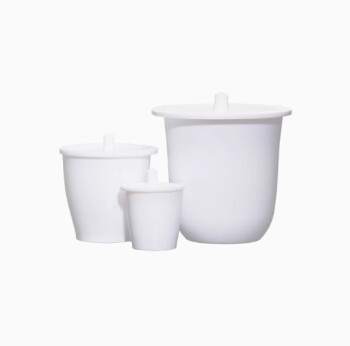
- High Purity PFA Crucible and Corrosion Resistant PTFE Beaker for Trace Analysis and Custom Laboratory Applications
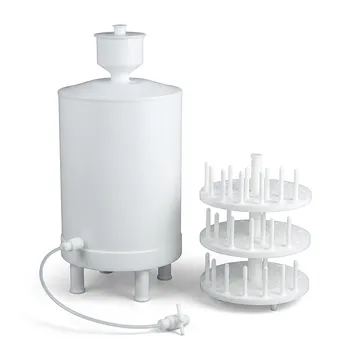
- PTFE PFA Vacuum Filtration System Corrosion Resistant Customizable Shatterproof Laboratory Device
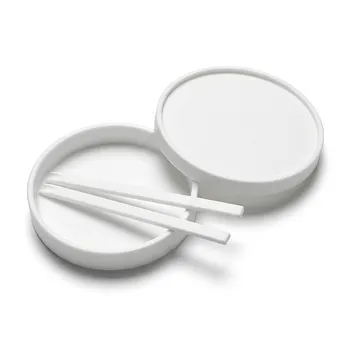
- Custom PFA Microcolumn Racks and PTFE Machined Low Background Corrosion Resistant Laboratory Fixtures
- PFA Reaction Jar Corrosion Resistant Wide Mouth PTFE Lab Bottle High Purity Chemical Vessel
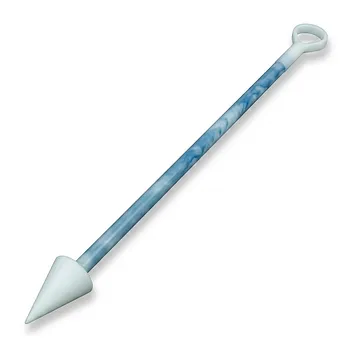
- Corrosion Resistant PTFE Support with PFA Transparent Reaction Tank and High Purity PFA Sampling Tube for Trace Analysis
People Also Ask
- Why are high-purity vessels critical for BiFeO3 synthesis? Ensuring Phase Purity
- Why is the use of high-purity PFA or PTFE labware critical during TiO2 nanoparticle purification? Protect Sample Purity
- Why is high-purity PFA labware necessary for Znx@LS-2 zeolite ICP-OES analysis? Ensure Trace-Level Precision
- Why is high-purity PFA trace analysis labware used for MXene? Ensure Superior Material Integrity in Research
- Why is high-purity PFA trace analysis labware used for sample processing when preparing Mo2CTx@MoS2? Ensure Material Purity