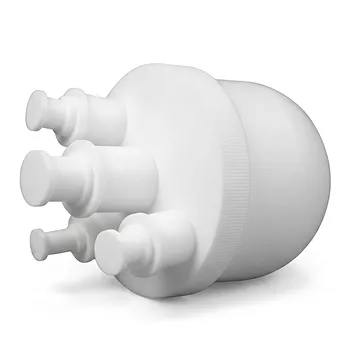
The conversion of coal fly ash into zeolite is facilitated by a stirred hydrothermal synthesis reactor through the precise control of thermodynamic conditions and mechanical agitation. By maintaining a high-pressure, high-temperature environment while continuously stirring the alkaline mixture, the reactor accelerates the dissolution of silica and alumina from the fly ash, promoting the formation of intermediate gels and their subsequent transformation into crystalline zeolite structures.
Core Takeaway: A stirred hydrothermal synthesis reactor acts as a high-efficiency chemical processor that ensures physical and chemical homogeneity, leading to faster reaction kinetics, higher crystallinity, and more uniform particle sizes compared to static methods.
The Role of Mechanical Agitation in Chemical Transformation
Accelerating Silica and Alumina Extraction
Coal fly ash is largely composed of glassy silica and alumina phases that must be "unlocked" before zeolite can form. The continuous mechanical stirring within the reactor increases the contact surface between the fly ash particles and the alkaline solution, significantly accelerating the dissolution efficiency of these core components.
Eliminating Concentration Gradients
In a static environment, nutrients can become depleted near a growing crystal, slowing down the process. Active stirring maintains a uniform chemical concentration gradient throughout the synthesis gel, ensuring that silicon and aluminum sources are consistently available for the formation of the intermediate aluminosilicate gel.
Preventing Reactant Sedimentation
Coal fly ash particles are relatively dense and prone to settling at the bottom of a vessel. The agitation mechanism keeps these reactants in suspension, ensuring that the entire volume of the mixture participates equally in the hydrothermal reaction rather than forming a stagnant layer of unreacted material.
Maintaining Thermodynamic Stability for Crystallization
Uniform Temperature and Autogenous Pressure
Zeolite crystallization requires a stable, high-pressure environment, often utilizing autogenous pressure generated at temperatures between 80°C and 180°C. The reactor provides a sealed, controlled chamber that ensures the temperature field remains uniform, preventing "hot spots" that could lead to the formation of undesired mineral phases.
Facilitating Consistent Nucleation
For a high-quality zeolite product, crystals should ideally begin forming at the same time throughout the mixture. The dynamic conditions provided by the reactor facilitate consistent nucleation, which results in a final product with a more uniform particle size distribution and higher overall crystallinity.
Material Integrity and Chemical Resistance
The synthesis of zeolites often requires aggressive alkaline mineralizers that can corrode standard containers. Modern reactors utilize PTFE (polytetrafluoroethylene) liners, which are specifically designed to resist these agents while maintaining the high-pressure seal necessary for the hydrothermal process to reach completion.
Understanding Technical Trade-offs and Constraints
Mechanical Complexity and Maintenance
While stirring improves uniformity, it introduces mechanical complexity. The seals required to maintain a high-pressure environment while a drive shaft rotates are subject to wear and potential leakage, requiring more frequent maintenance than static reactor systems.
Energy Consumption and Scaling
The energy required to maintain constant agitation in large-scale refinery or industrial applications can be significant. Furthermore, scaling up a stirred reactor requires careful engineering to ensure that the stirring intensity remains consistent throughout a larger volume, as improper mixing can lead to localized "dead zones" where crystallization is hindered.
Optimizing Synthesis for Your Specific Goals
How to Apply This to Your Project
Achieving the best results with a stirred hydrothermal reactor depends on aligning the reactor settings with your desired zeolite characteristics.
- If your primary focus is Maximum Crystallinity: Prioritize longer residence times (24–48 hours) at stable autogenous pressures to allow for complete framework development.
- If your primary focus is Uniform Particle Size: Maintain a constant, high stirring speed to ensure consistent nucleation and to prevent the agglomeration of crystals.
- If your primary focus is Chemical Purity: Utilize a PTFE-lined reactor to prevent contamination from the reactor walls and ensure the alkaline environment remains uncompromised.
By leveraging the controlled environment of a stirred hydrothermal reactor, you can transform industrial waste into high-value, engineered molecular sieves with precision and efficiency.
Summary Table:
| Feature | Benefit for Zeolite Synthesis |
|---|---|
| Mechanical Agitation | Accelerates silica/alumina extraction and eliminates concentration gradients |
| Thermodynamic Control | Maintains uniform temperature and autogenous pressure for stable crystallization |
| PTFE Lining | Provides essential chemical resistance against aggressive alkaline mineralizers |
| Dynamic Environment | Promotes consistent nucleation for uniform particle size and higher crystallinity |
Maximize Your Synthesis Efficiency with KINTEK
Ready to elevate your material research? KINTEK specializes in high-performance fluoropolymer solutions tailored for demanding hydrothermal processes. From PTFE hydrothermal synthesis liners and microwave digestion vessels to high-purity PFA labware, we provide the chemical resistance and thermal stability required for converting complex materials like coal fly ash.
Our expertise extends from everyday consumables—like beakers, centrifuge tubes, and stirring bars—to advanced custom CNC-fabricated reaction apparatus and bespoke laboratory setups. Whether you need standard PFA fittings or complex, non-standard machined parts, KINTEK delivers precision-engineered tools with an absolute focus on fluoropolymer performance.
Transform your laboratory workflows with industry-leading materials. Contact KINTEK today to discuss your custom project or high-volume order!
References
- Kunihiro Fukui, Mitsuhiro Arita. Zeolite Synthesis from Coal Fly Ash Prepared by Hydrothermal Treatment Method and Effect of Particle Size on Its Reaction Mechanism [Translated]<sup>†</sup>. DOI: 10.14356/kona.2001025
This article is also based on technical information from Kintek Knowledge Base .
Related Products
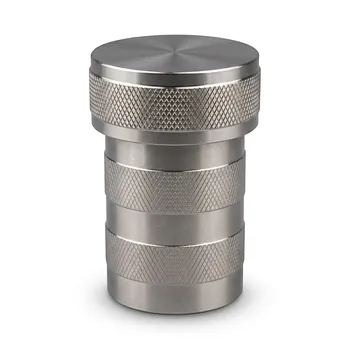
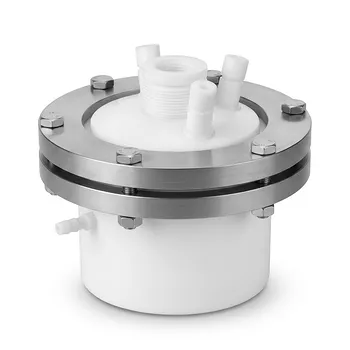
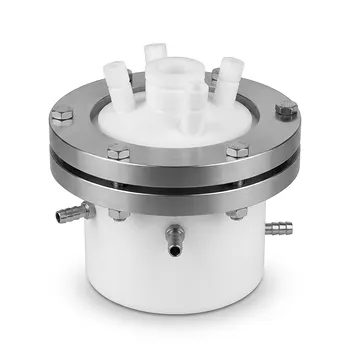
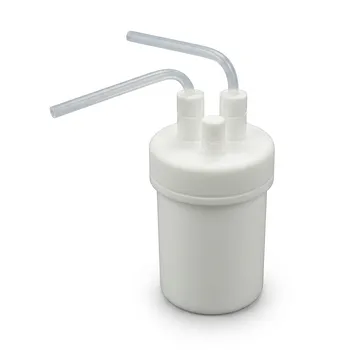
- High Temperature Corrosion Resistant Hydrothermal Synthesis Reactor with TFM Inner Liner and Straight Cylinder Design
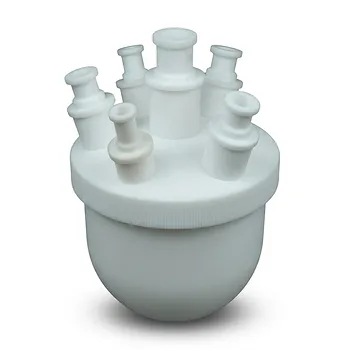
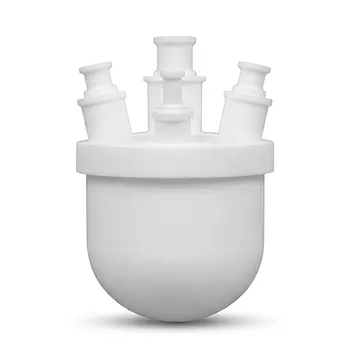
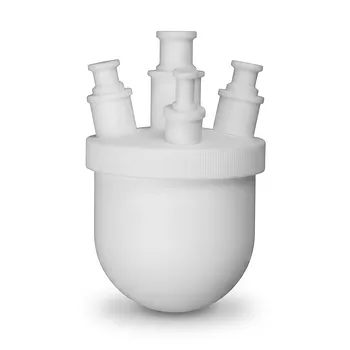
- Custom Multi Neck PTFE Flask 18L Laboratory Chemical Reactor Vessel for High Purity Synthesis and Stirring Applications
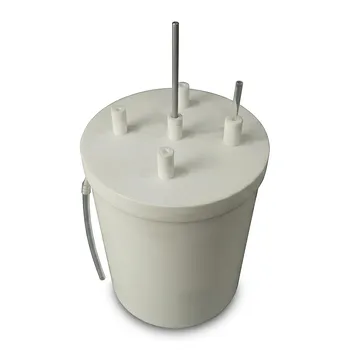
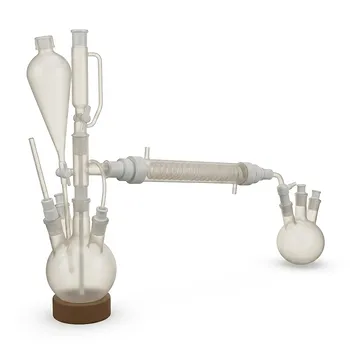
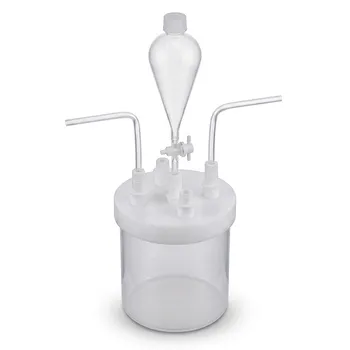
- Customizable PTFE Reaction Vessel with Electric Stirring Paddle and Buchner Funnel Vacuum Filtration System
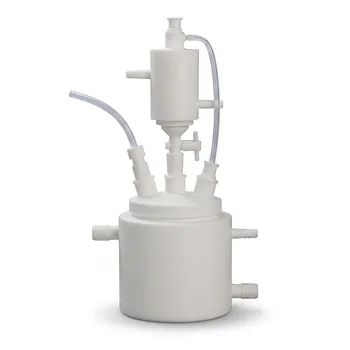
- PTFE 10L Reaction Vessel with Stirring Paddle Customizable Corrosion Resistant High Temperature Reactor for Biopharmaceutical and Chemical Processing
- High Purity PTFE Reaction Vessel with Electric Stirring System and Customizable 5L Tank including Buchner Funnel Filtration Assembly
People Also Ask
- What is the role of a corrosion-resistant reactor in the synthesis of lignin-based carbon dots? Ensure Maximum Purity
- What are the technical advantages of using hydrothermal synthesis reactors for advanced electronic & optical nanomaterials?
- How does a hydrothermal synthesis reactor facilitate the production of crystalline materials with tailored morphologies? Precision Crystal Growth
- Why is the sealing reliability of a hydrothermal synthesis reactor critical for 24-hour cycles? Ensure Nano-Precision
- What role do hydrothermal synthesis reactors play in CQD preparation? Achieve High-Purity Nanomaterial Synthesis