Heating and temperature stabilization are the critical drivers of crystal growth and structural integrity during the modification of biochar composites. In a hydrothermal synthesis reactor, precise thermal control—such as maintaining a steady 120°C for a specific duration—facilitates the uniform coating of metal-organic frameworks (MOFs) onto the biochar surface. This transition is what allows the composite to achieve the high surface area and chemical porosity required for effective heavy metal adsorption.
The precision of temperature control in a hydrothermal reactor directly dictates the growth quality and uniformity of MOF crystals on biochar. Stable thermal conditions ensure a consistent chemical environment, which is the primary factor in exponentially increasing the material's surface area and functional performance.
The Role of Thermal Stability in Crystal Growth
Precision as a Determinant of Quality
The ability of a reactor to maintain a specific temperature, such as 120 degrees Celsius, is the foundation of successful MOF synthesis. This precision ensures that the chemical precursors react at a predictable rate, allowing crystals to form without structural defects.
Uniformity of the Coating Process
Stable heating ensures that the coating, such as MIL-100(Fe), is distributed evenly across the entire surface of the biochar substrate. Without this stability, the coating can become patchy or clumped, which undermines the structural benefits of the composite material.
Kinetic Control of the Reaction
A hydrothermal reactor allows for exact timing—often as brief as 20 minutes—which is crucial for stopping crystal growth at the optimal stage. This level of control prevents over-processing, which could otherwise lead to the degradation of the biochar or the collapse of the MOF pores.
Impact on Material Morphology and Performance
Radical Expansion of Specific Surface Area
Effective temperature stabilization leads to a massive increase in the material's specific surface area. For instance, precise hydrothermal modification can elevate wheat straw biochar from a modest 36.6 m2/g to an impressive 419 m2/g.
Enhancement of Adsorption Potential
The increased surface area created by stable heating directly correlates to the composite's ability to capture pollutants. By maximizing the available binding sites, the reactor's performance turns biochar into a high-capacity tool for heavy metal removal.
Structural Synergy Between Components
Proper thermal management ensures that the MOF crystals bond securely to the biochar fibers. This synergy creates a hybrid material that possesses the mechanical strength of biochar and the high-functioning surface chemistry of the metal-organic framework.
Understanding the Trade-offs and Constraints
Sensitivity to Temperature Fluctuations
Minor deviations in temperature can lead to inconsistent crystal sizes or incomplete coating. These fluctuations often result in a composite with significantly lower surface area than intended, reducing its overall efficiency.
The Risk of Excessive Residence Time
While a stable temperature is necessary, holding the reaction for too long can be counterproductive. Prolonged exposure to high heat and pressure may cause the biochar structure to break down or the MOF crystals to dissolve back into the solution.
Pressure Management Challenges
In a sealed hydrothermal reactor, temperature and pressure are inextricably linked. Failure to stabilize the heating can lead to unpredictable pressure spikes, which pose safety risks and can physically damage the delicate crystal structures forming on the biochar.
How to Apply This to Your Project
When utilizing a hydrothermal reactor for biochar modification, your operational strategy should align with your specific material requirements.
- If your primary focus is maximizing surface area: Prioritize reactors with high-precision PID controllers to maintain exact temperatures, as even small deviations can hinder the expansion of the specific surface area.
- If your primary focus is consistency in heavy metal removal: Ensure that your reaction time is strictly monitored and synchronized with the stabilization period to produce a uniform MOF coating across all batches.
- If your primary focus is cost-efficiency: Optimize the heating ramp-up time to reach the target 120°C as quickly as possible without overshooting, minimizing energy consumption while maintaining crystal quality.
The mastery of a reactor's thermal environment is the single most important factor in transforming simple biochar into a high-performance engineered composite.
Summary Table:
| Key Factor | Impact on Biochar Composites | Technical Outcome |
|---|---|---|
| Temperature Precision | Controls MOF crystal growth quality | Defect-free structural integrity |
| Thermal Stability | Ensures uniform MIL-100(Fe) coating | Consistent chemical environment |
| Kinetic Control | Prevents over-processing and degradation | Optimal surface area expansion |
| Surface Area Boost | Increases porosity for adsorption | e.g., 36.6 m²/g to 419 m²/g |
| Structural Synergy | Strengthens MOF-to-biochar bonding | High-capacity pollutant capture |
Elevate Your Material Synthesis with KINTEK Precision
Achieving the perfect 120°C stabilization for biochar modification requires equipment that never fails. At KINTEK, we specialize in high-performance fluoropolymer solutions designed for the most demanding hydrothermal environments.
From custom PTFE and PFA hydrothermal synthesis liners and microwave digestion vessels to advanced fluid transfer components (tubing, valves, and fittings), we provide the chemically inert tools necessary for high-purity trace analysis and reaction success. Whether you need standard labware like beakers and crucibles or complex, bespoke CNC-machined parts for your specific reactor setup, KINTEK delivers end-to-end fabrication with an absolute focus on material performance.
Ready to optimize your lab’s efficiency? Contact us today to discuss how our fluoropolymer expertise can support your research from sample prep to advanced reaction apparatus.
References
- Tatiana Minkina, Pavel Mandzhiev. Design and Construction of Biochar Materials for Sustainable Remediation of Heavy Metal Contaminated Soil. DOI: 10.46991/jisees.2025.si1.060
This article is also based on technical information from Kintek Knowledge Base .
Related Products
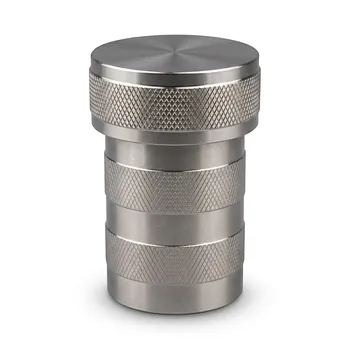
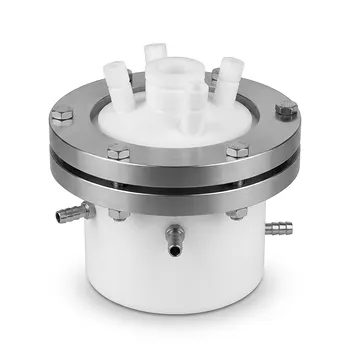
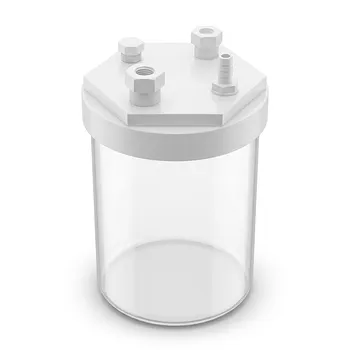
- High Temperature Corrosion Resistant Hydrothermal Synthesis Reactor with TFM Inner Liner and Straight Cylinder Design
- PTFE Lined High Pressure Digestion Vessel 50ml High Temperature Hydrothermal Synthesis Tank
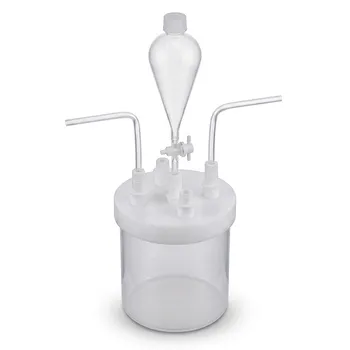
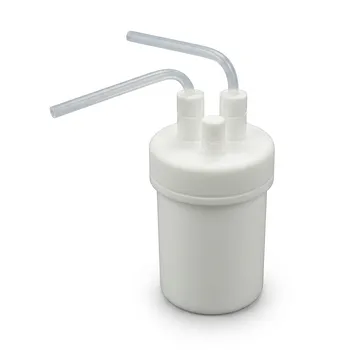
- Custom PTFE Reaction System with Hose Barb Fittings Corrosion Resistant High Sealing 2L 4L Lab Reactor with Separatory Funnel
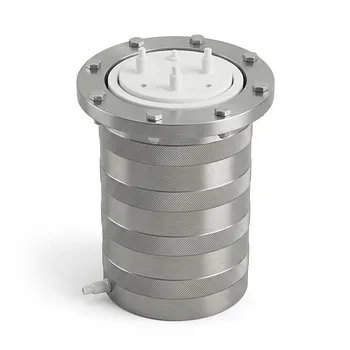
- High Pressure Custom TFM Reactor Stainless Steel Outer Vessel PTFE Inner Cup for Corrosive Synthesis
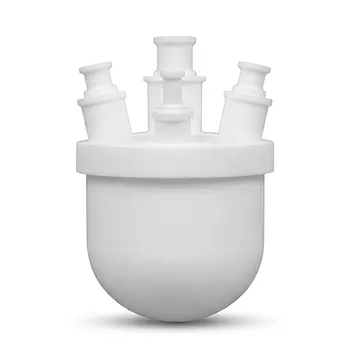
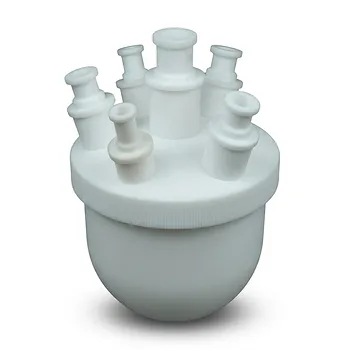
- High Purity PFA Reaction Vessel for Biopharmaceutical Synthesis and Corrosive Chemical Fluid Handling with Customizable Tube Fittings
People Also Ask
- What is the role of a corrosion-resistant reactor in the synthesis of lignin-based carbon dots? Ensure Maximum Purity
- What are the technical advantages of using hydrothermal synthesis reactors for advanced electronic & optical nanomaterials?
- How does a hydrothermal synthesis reactor facilitate the production of crystalline materials with tailored morphologies? Precision Crystal Growth
- Why is the sealing reliability of a hydrothermal synthesis reactor critical for 24-hour cycles? Ensure Nano-Precision
- What role do hydrothermal synthesis reactors play in CQD preparation? Achieve High-Purity Nanomaterial Synthesis