Inorganic silver-based compounds are preferred because they remain stable at the high temperatures used to process and cure fluoropolymers. Organic biocides such as quaternary ammonium salts and hydantoins can decompose, evaporate, or lose antimicrobial effectiveness during elevated-temperature fabrication. Silver metal, silver chloride supported on titanium dioxide, and silver ions held in zeolite matrices are better suited to preserving antimicrobial performance after curing.
The central issue is thermal durability: an antimicrobial additive is useful only if it survives fluoropolymer processing without volatilizing, decomposing, contaminating the material, or losing effectiveness.
Why High-Temperature Processing Changes the Choice
Fluoropolymers Require Severe Thermal Processing
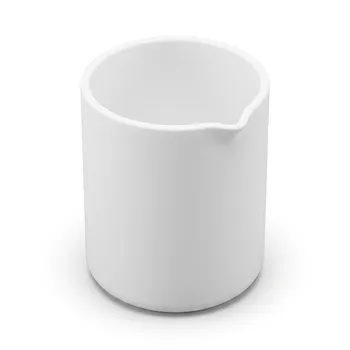
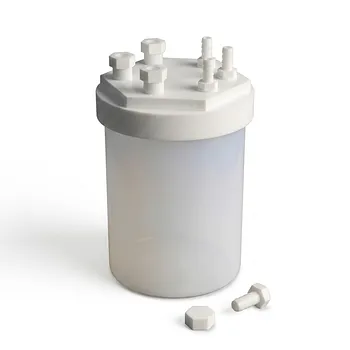
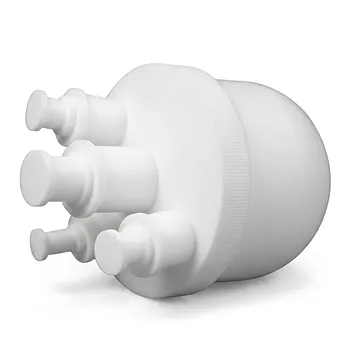
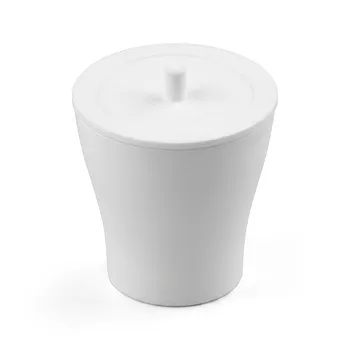
Fluoropolymer systems often undergo high-temperature curing, baking, or fabrication steps. Laboratory products such as PFA vessels, PTFE storage tanks, wash bottles, centrifuge tubes, and microwave digestion equipment must retain their properties through these conditions.
The additive therefore needs to withstand the same thermal history as the polymer. A compound that works well at room temperature may be unsuitable if it cannot survive processing.
Organic Biocides Can Degrade During Curing
Many conventional organic biocides, including quaternary ammonium salts and hydantoins, are vulnerable to elevated temperatures. They may decompose, evaporate, or become chemically inactive during fluoropolymer fabrication.
This creates two problems: the finished product may no longer provide reliable antimicrobial protection, and degraded or volatilized material may affect purity, emissions, or surface performance.
Thermal Stability Preserves Long-Term Function
An antimicrobial additive must remain present and chemically functional after the coating or molded part has cured. Heat-stable inorganic silver compounds are selected because they are less likely to be destroyed or lost during processing.
The result is more durable antimicrobial performance throughout the service life of the fluoropolymer system.
Why Silver-Based Inorganic Additives Fit the Application
Silver Provides a Heat-Stable Antimicrobial Platform
Silver metal and silver-containing inorganic systems can tolerate processing conditions that would compromise many organic additives. Their value is not simply that they contain silver, but that the silver is incorporated into a form compatible with the thermal and chemical demands of the fluoropolymer.
This makes silver-based additives suitable where antimicrobial performance must persist after high-temperature curing.
Different Silver Forms Serve Different Formulation Needs
Potential approaches include silver metal, silver chloride deposited on titanium dioxide, and silver ions contained within zeolite matrices. These forms provide different ways to distribute and retain silver within the material.
The appropriate choice depends on the formulation, processing conditions, desired release behavior, color requirements, and compatibility with the finished product.
Inorganic Carriers Can Improve Additive Retention
Titanium dioxide and zeolite matrices can act as inorganic hosts for silver-containing species. Supporting silver in this way can help integrate the antimicrobial component into the fluoropolymer system while reducing the likelihood that it will behave like a volatile organic additive.
The carrier also needs to be evaluated for dispersion, chemical compatibility, and its effect on the product's appearance and purity.
The Broader Importance of Inorganic Stability
The Same Principle Applies to Colorants
High-temperature fluoropolymer processing can also damage organic dyes and standard organic colorants. Their decomposition may cause color loss, inconsistent appearance, or contamination of the polymer.
Thermally stable inorganic pigments, including titanium dioxide, iron oxides, chromium oxide, and complex metal oxide spinel or rutile pigments, are generally better suited to these conditions.
Stable Additives Help Protect Laboratory Purity
For fluoropolymer laboratory equipment, maintaining chemical inertness is essential. Additives that break down or migrate during fabrication can compromise the material or introduce unwanted substances into critical samples.
Thermally stable inorganic additives help preserve structural integrity, chemical resistance, color stability, and material purity.
Carbon Black Still Requires Formulation Control
Carbon black is an inorganic colorant commonly used for black materials, but prolonged heating can still create formulation challenges. Stabilization with phosphoric acid or phosphate/amine salts may be necessary to prevent thermal breakdown during extended baking.
This illustrates an important point: inorganic does not automatically mean suitable. Each additive must be assessed under the actual processing conditions.
Understanding the Trade-offs
Inorganic Additives Are Not Automatically Interchangeable
Silver metal, silver chloride on titanium dioxide, and silver-zeolite systems differ in particle structure, dispersion, ion availability, and interaction with the polymer. Selecting among them requires more than choosing the additive with the highest nominal silver content.
The additive must be matched to the intended antimicrobial mechanism and the manufacturing process.
Dispersion Can Affect Performance
Poor dispersion can produce localized concentrations, uneven antimicrobial behavior, color variation, or changes in mechanical properties. A thermally stable additive still needs to be distributed uniformly throughout the coating or molded product.
Processing controls and compatibility testing are therefore as important as the additive's inherent heat resistance.
Purity and Migration Must Be Verified
Silver-containing materials should be evaluated for potential release, especially when the fluoropolymer will contact analytical samples, chemicals, or biological materials. Thermal stability reduces decomposition risk, but it does not eliminate the need to assess migration and extractables.
Product requirements may also impose restrictions related to regulatory status, intended use, or antimicrobial claims.
Thermal Stability Does Not Replace Performance Testing
A compound can survive curing and still fail to provide the required antimicrobial protection. Testing should confirm performance after the complete thermal cycle, not only before processing.
Relevant evaluation should include antimicrobial effectiveness, appearance, chemical resistance, structural integrity, and any effect on sample purity.
Making the Right Choice for Your Goal
The correct selection balances thermal survival with compatibility, retention, purity, and verified antimicrobial performance.
- If your primary focus is antimicrobial durability: Select an inorganic silver-based system that remains stable and effective after the full fluoropolymer curing cycle.
- If your primary focus is laboratory sample purity: Choose a formulation with demonstrated low contamination, controlled migration, and stable inorganic additives.
- If your primary focus is colored fluoropolymer equipment: Use thermally stable inorganic pigments and verify dispersion and color retention after prolonged baking.
- If your primary focus is manufacturing reliability: Test the complete additive-polymer formulation under actual processing temperatures, times, and sterilization conditions.
Selecting the right inorganic silver-based compound ensures that antimicrobial protection survives the process designed to produce a durable fluoropolymer product.
Summary Table:
| Feature | Inorganic Silver Compounds | Organic Biocides |
|---|---|---|
| Thermal Stability | High (stable at processing temps) | Low (can decompose or evaporate) |
| Antimicrobial Persistence | Maintains effectiveness post-curing | May lose activity during processing |
| Chemical Compatibility | Good with fluoropolymers | Risk of contamination |
| Suitability for High-Temp | Excellent | Poor |
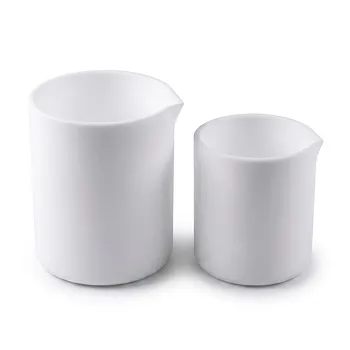
Ensure your high-performance fluoropolymer products maintain antimicrobial integrity under extreme conditions. At KINTEK, we specialize in PTFE and PFA labware, from beakers to custom electrochemical cells. Our end-to-end CNC machining capabilities allow us to deliver bespoke solutions that meet your exact specifications. Contact us today to discuss how our expertise can benefit your application – Get in touch!
Related Products
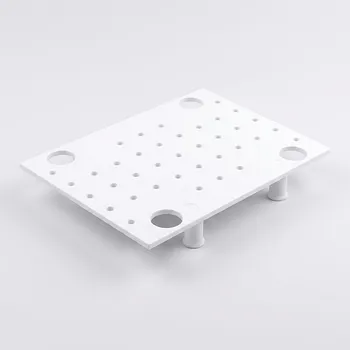
- High Temperature Resistant PTFE Thermal Insulation Board Corrosion Resistant Metal Free Fluoropolymer Stand for Ultra Clean Laboratories
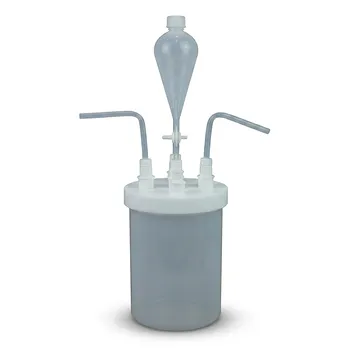
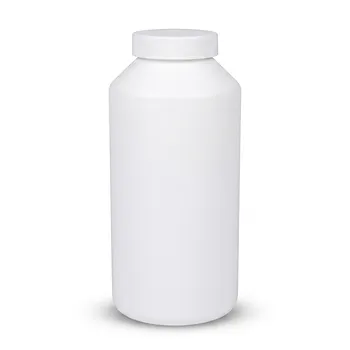
- Corrosion Resistant PFA Translucent Reaction Bottle with PTFE Screw Cap and Standard 19 24 Ground Joint Neck for High Temperature Lab Applications
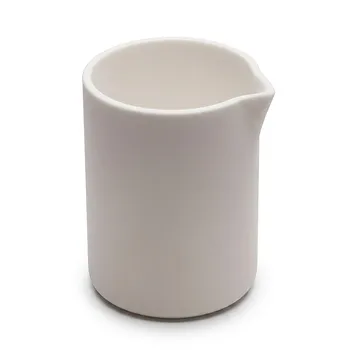
- Custom PTFE Beaker 350ml High Purity Laboratory Vessel with Optional Lid for Hot Plate Heating Applications
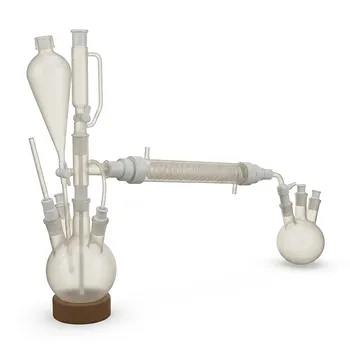
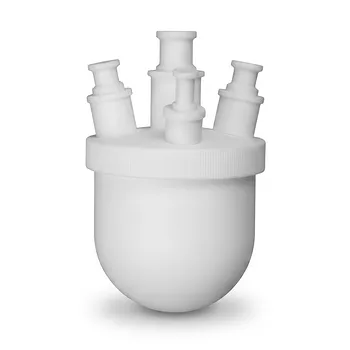
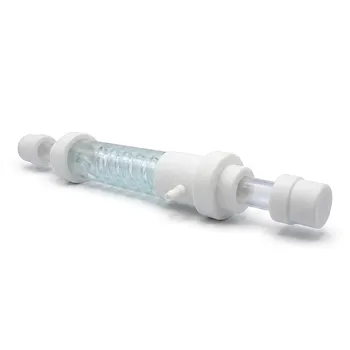
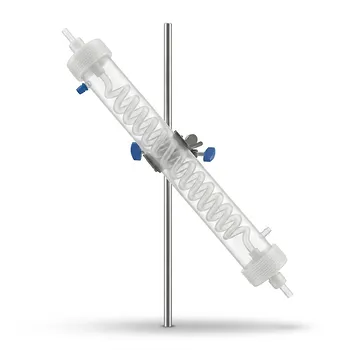
- PTFE Distillation Condensation Apparatus High Temperature Hydrofluoric Acid Resistant Fluorination Reaction Flask
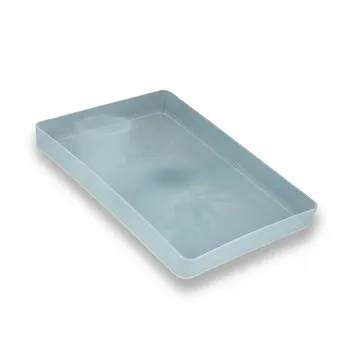
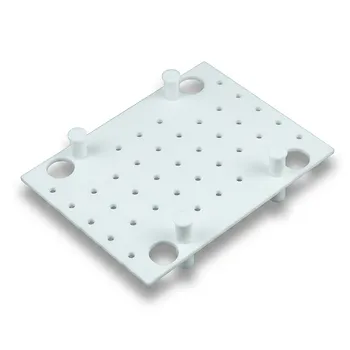
- Customizable PFA Square Tray Corrosion Resistant High Temperature Large Petri Dish Electrolytic Cell
People Also Ask
- What are the limitations of pure PTFE in high temperature applications? Understanding the 200°C Ceiling
- What materials are used to manufacture PTFE bars? A Guide to Virgin & Filled PTFE
- What factors should be considered when choosing PTFE bars for chemical applications? Select the Right Grade for Your Process
- What advantages do PTFE bars offer in chemical industries? Ensure Safety and Efficiency in Demanding Applications
- Why are PTFE bars considered essential in modern industrial applications? Unlock Unmatched Chemical & Thermal Resistance