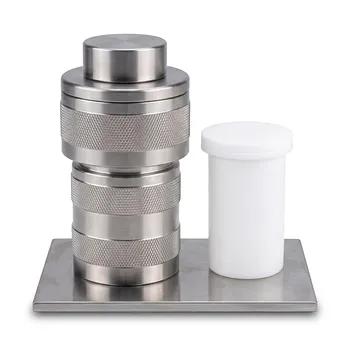
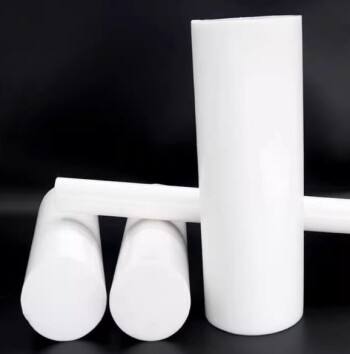
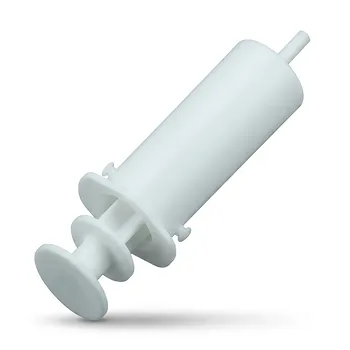
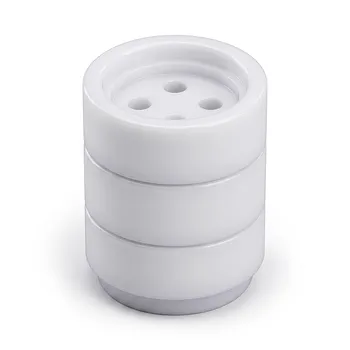
The use of PTFE or PPL linings is cost-effective because it enables the use of standard T316 stainless steel vessels for highly corrosive reactions. By acting as a sacrificial and chemically inert barrier, these liners eliminate the need for expensive autoclaves constructed from exotic alloys while maintaining the structural integrity required for vapor-pressure containment.
Core Takeaway: Utilizing polymer liners allows laboratories to bypass the high capital expenditure of exotic metal reactors. This approach provides a modular, chemically resistant environment that protects the structural steel jacket from corrosion and prevents metal ion contamination in the synthesized materials.
The Economics of Material Selection
Eliminating Exotic Alloy Costs
High-pressure synthesis often involves aggressive reagents that would rapidly corrode standard stainless steel. Building an entire pressure vessel from exotic alloys (like Hastelloy or Inconel) is prohibitively expensive for many laboratory budgets.
Leveraging Standardized Hardware
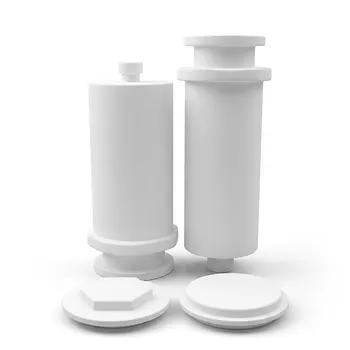
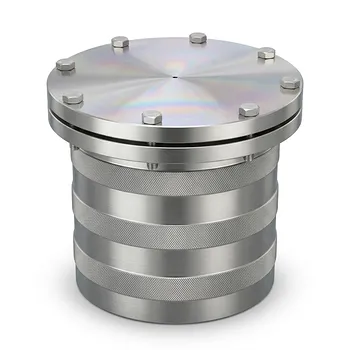
By using a PTFE (Polytetrafluoroethylene) or PPL (Polyphenylene Sulfide) liner, researchers can use a much cheaper T316 stainless steel jacket to handle the mechanical stress of high pressure. The liner manages the chemical environment, while the steel manages the physical load, significantly reducing overall capital costs.
Extending Equipment Service Life
Corrosion is the primary cause of pressure vessel failure and decommissioning. The liner acts as a protective barrier that prevents acidic or basic solutions from eroding the metal walls, thereby extending the operational lifespan of the stainless steel autoclave.
Preservation of Chemical Integrity and Purity
Preventing Metal Ion Contamination
In hydrothermal synthesis, even trace amounts of metal ions leaching from a steel vessel can disrupt crystal growth or contaminate the final product. High-purity liners ensure that metal impurity ions do not enter the reaction system, which is critical for the synthesis of Metal-Organic Frameworks (MOFs) and nanomaterials.
Superior Chemical Inertness
Liners made from fluoropolymers like PTFE or PFA are virtually non-reactive when exposed to strong acids, bases, or organic solvents. This inertness provides a stable environment for controlled crystal growth and ensures that the experimental results are not skewed by background contamination from the vessel material.
Improving Product Recovery
The non-stick, smooth internal surface of PTFE and PFA liners facilitates the collection of synthesized micro- and nano-powders. This is particularly beneficial for recovering high-viscosity polymers or delicate crystals that might otherwise adhere to a metal surface and be lost during harvesting.
Understanding the Trade-offs and Limitations
Temperature and Pressure Constraints
While cost-effective, polymer liners have definitive thermal limits; for instance, PTFE is typically restricted to applications reaching 180°C. Exceeding these temperatures can lead to material softening, deformation, or the release of toxic fumes, requiring a transition to PPL or more expensive metallic solutions.
Thermal Expansion Mismatch
Polymers and stainless steel expand at different rates when heated, which can cause the liner to deform or "creep" over time. Users must ensure the liner is correctly sized and sealed within the steel jacket to prevent the reaction media from bypassing the liner and attacking the metal shell.
Limited Heat Transfer
Polymers are thermal insulators compared to metals, which can lead to slower heating and cooling cycles. In processes where precise temperature ramping or rapid quenching is required, the insulating property of a thick PTFE liner may become a technical disadvantage.
How to Apply This to Your Project
Making the Right Choice for Your Goal
To maximize the cost-effectiveness of your laboratory setup, consider the specific requirements of your synthesis environment.
- If your primary focus is synthesizing high-purity nanomaterials: Utilize high-purity PTFE liners to ensure a zero-contamination environment and easy product recovery.
- If your primary focus is cost-reduction for corrosive media: Pair a standard T316 stainless steel autoclave with replaceable PPL or PTFE liners to avoid the expense of exotic alloy vessels.
- If your primary focus is high-temperature hydrothermal synthesis (up to 180°C): Ensure your PTFE liners are inspected regularly for deformation to maintain a proper seal against the metal jacket.
By strategically using polymer linings, laboratories can achieve high-performance synthesis results while maintaining a lean and sustainable equipment budget.
Summary Table:
| Feature | Benefit of PTFE/PPL Liners | Economic/Technical Impact |
|---|---|---|
| Material Cost | Replaces exotic alloys (Hastelloy/Inconel) with T316 Stainless Steel | Significant reduction in capital expenditure (CAPEX) |
| Chemical Resistance | Inert barrier against strong acids, bases, and organic solvents | Protects the steel jacket and extends equipment service life |
| Product Purity | Prevents metal ion leaching into the reaction | Critical for high-purity MOFs and nanomaterial synthesis |
| Recovery Rate | Non-stick surface for easy powder/crystal harvesting | Maximizes product yield and reduces waste |
| Maintenance | Replaceable sacrificial components | Lower long-term maintenance and decommissioning costs |
Elevate Your Lab Efficiency with KINTEK’s Fluoropolymer Expertise
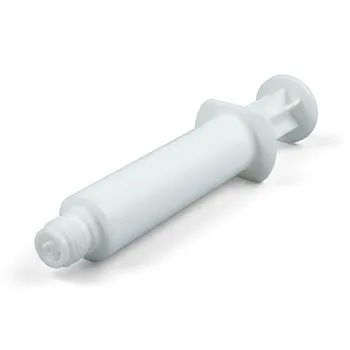
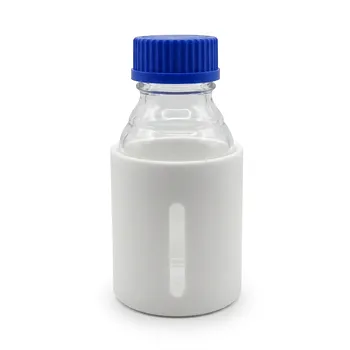
Don't let the high cost of exotic alloys stall your research. KINTEK specializes in high-performance fluoropolymer solutions that turn standard hardware into advanced synthesis systems. From everyday basic labware like beakers, crucibles, and reagent bottles to precision-engineered PTFE/PPL liners and PFA fluid transfer components, we provide the chemical inertness your reactions demand.
Whether you need standard consumables—such as centrifuge tubes, filters, and stirring bars—or complex, custom CNC-fabricated reaction apparatus like hydrothermal synthesis liners, microwave digestion vessels, and electrochemical cells, KINTEK delivers end-to-end excellence.
Ready to protect your equipment and ensure ultra-pure results? Contact us today to discuss your bespoke laboratory setup or high-volume orders with our material specialists.
Related Products
- High Purity PTFE Microwave Digestion Vessel for Soil and Food Analysis Acid Resistant Fluoropolymer Sample Preparation Liners
- High Purity PTFE Microwave Digestion Vessel Replacement Liner for Acid Sample Preparation and Trace Analysis
- Custom PTFE Sleeves and Hollow Rods for Advanced Applications
- Custom Polytetrafluoroethylene White Syringe Corrosion Resistant Teflon Plastic Injector Threaded Luer Fitting Compatible
- PTFE Lined High Pressure Digestion Vessel 50ml High Temperature Hydrothermal Synthesis Tank
People Also Ask
- How does the dielectric property of PTFE benefit microwave-assisted digestion? Unlock Rapid and Uniform Sample Heating
- What are the advantages of using microwave digestion vessels? Optimize EG@MO synthesis with superior thermal control.
- What safety features are commonly integrated into microwave digestion vessels? Ensuring High-Pressure Laboratory Safety
- What are the advantages of using microwave digestion vessels for environmental analysis? Boost speed and sample accuracy.
- How do microwave digestion vessels support pharmaceutical elemental impurity testing? Achieve Precise USP Compliance