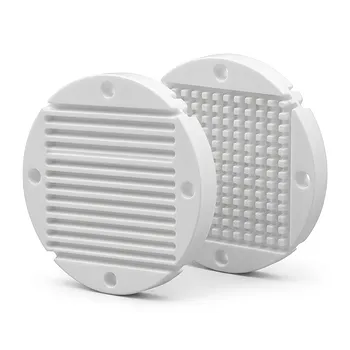
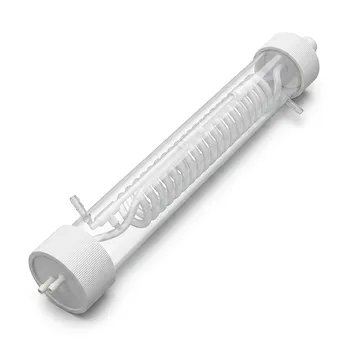
The use of high-purity PTFE or PFA reaction liners is critical because they provide an exceptionally inert environment that prevents metal ion contamination from the reactor walls. This protection is vital for ensuring the phase purity of the magnetic $Fe_3O_4$ core and the integrity of the chitosan coating, directly influencing the magnetic performance and chemical stability of the resulting nanocomposite.
The central takeaway is that high-purity fluoropolymer liners act as a definitive chemical barrier during hydrothermal synthesis. By eliminating leaching and resisting corrosive precursors, they ensure that the magnetic $Fe_3O_4$ core achieves the exact stoichiometry and crystallinity required for consistent technical performance.
Preserving the Integrity of the Magnetic Core
Ensuring Phase Purity of Magnetite
The magnetic properties of $Fe_3O_4/CS$ nanocomposites depend entirely on the structural purity of the $Fe_3O_4$ (magnetite) core. Any introduction of foreign metal ions or impurities during the synthesis process can disrupt the crystal lattice.
High-purity PTFE/PFA liners guarantee that the reaction environment remains free from these contaminants. This ensures that the magnetite achieves the high crystallinity and phase purity necessary for predictable magnetic responses.
Eliminating Background Contamination
In fine chemical synthesis, the material of the reaction vessel can inadvertently leach ions into the solution. Even trace amounts of background contamination can lead to inaccurate structural characterization of the nanocomposite.
Using these specialized liners prevents cross-contamination from the laboratory hardware into the reaction system. This level of control is essential for researchers to confirm that the observed properties are a result of the intended synthesis, not experimental artifacts.
Managing the Hydrothermal Synthesis Environment
Thermal and Chemical Resistance
The synthesis of magnetic nanocomposites often involves hydrothermal processes reaching temperatures between 180°C and 200°C. These conditions, combined with strong acidic or alkaline media, are highly corrosive to standard materials.
PTFE and PFA are preferred because they maintain structural integrity and chemical inertness under these extreme autogenous pressures. They do not react with or degrade when exposed to the harsh precursors used to form the magnetite-chitosan bond.
Protecting the Reactor Hardware
Beyond protecting the sample, these liners serve as a critical barrier for the hydrothermal autoclave itself. They prevent corrosive reagents from reaching and damaging the outer metal shell of the reactor.
This dual-action protection ensures both the safety of the high-pressure process and the longevity of the expensive laboratory equipment. It effectively isolates the chemical reaction within a non-reactive "pouch."
Supporting Effective Surface Functionalization
Ensuring Surface Purity for Chitosan Coating
Chitosan must bind effectively to the surface of the $Fe_3O_4$ nanoparticle to create a stable nanocomposite. If the nanoparticle surface is contaminated by leached metal ions, the surface functionalization process may be compromised.
High-purity liners ensure the surface purity of the nanoparticle powder. This allows the chitosan to form a more stable and uniform coating, which is essential for the nanocomposite's performance in applications like targeted drug delivery or water treatment.
Preventing Particulate Buildup
The smooth, non-stick surface of PTFE prevents the buildup of particulates during the reaction. In a high-sensitivity synthesis, these accumulated particles can act as a source of future contamination or lead to non-uniform particle size distribution.
By maintaining a clean interface, these liners help produce a homogenous product. This consistency is vital for scaling up synthesis from the laboratory to industrial applications.
Understanding the Trade-offs
Temperature and Pressure Limitations
While PTFE and PFA offer superior inertness, they have specific thermal thresholds that must not be exceeded. PTFE typically has a maximum working temperature of approximately 250°C, but in high-pressure hydrothermal environments, it is often restricted to 200°C to prevent deformation.
Cost and Material Creep
High-purity fluoropolymers are significantly more expensive than standard glass or stainless steel vessels. Additionally, PTFE is subject to "creep" or cold flow under sustained high pressure, meaning liners must be regularly inspected for thinning or warping to prevent leaks.
Making the Right Choice for Your Goal
When synthesizing magnetic chitosan nanocomposites, your choice of liner should align with your specific research or production requirements:
- If your primary focus is consistent magnetic performance: Use high-purity PFA liners to ensure the highest possible phase purity of the $Fe_3O_4$ core by eliminating all potential for metal ion leaching.
- If your primary focus is high-temperature hydrothermal synthesis (up to 200°C): Opt for thick-walled PTFE liners specifically rated for autoclave use to maintain a sealed, non-contaminating environment under autogenous pressure.
- If your primary focus is cost-effective batch production: Utilize standard PTFE liners but implement a strict replacement schedule to mitigate the risks of material creep and ensure the surface purity of the nanoparticles remains uncompromised.
By prioritizing the purity of the reaction environment through specialized fluoropolymer liners, you ensure the technical integrity and functional reliability of the magnetic nanocomposites.
Summary Table:
| Feature | Critical Role in Synthesis | Key Benefit |
|---|---|---|
| Chemical Inertness | Eliminates metal ion leaching from reactor walls | Ensures phase purity and stoichiometric accuracy |
| Thermal Stability | Withstands temperatures up to 200°C | Ideal for high-pressure hydrothermal processes |
| Surface Purity | Prevents background contamination | Accurate characterization of the magnetic core |
| Corrosion Resistance | Acts as a barrier against acidic/alkaline media | Protects expensive autoclave hardware |
| Non-stick Interface | Reduces particulate and residue buildup | Promotes homogenous particle size distribution |
Elevate Your Synthesis with KINTEK’s High-Performance Fluoropolymers
Precision in magnetic nanocomposite synthesis starts with an uncontaminated environment. KINTEK specializes in providing the highest quality PTFE and PFA laboratory solutions, ranging from everyday basic labware like beakers, crucibles, and reagent bottles to specialized hydrothermal synthesis liners and microwave digestion vessels.
Whether you require standard consumables such as tubing, filters, and stirring bars or custom CNC-machined components for complex reactor setups, our end-to-end fabrication ensures your materials meet the most rigorous trace analysis standards. Don't let metal ion leaching compromise your research—leverage our expertise in high-performance fluoropolymers to protect your samples and your equipment.
Ready to optimize your lab's performance? Contact us today to discuss your custom requirements!
References
- Minh-Tri Le, Nguyen Thi Huong. Magnetic Chitosan Nanocomposites Derived from Industrial Solid Waste: A Promising Approach for Arsenic(III) Remediation. DOI: 10.1021/acsomega.4c05955
This article is also based on technical information from Kintek Knowledge Base .
Related Products
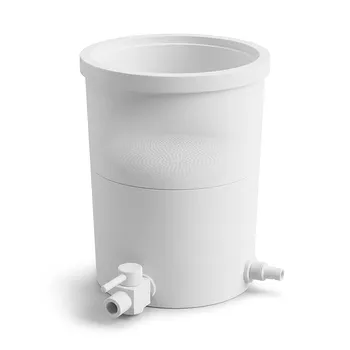
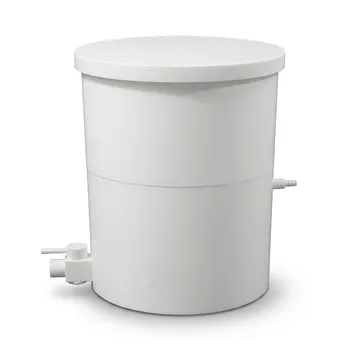
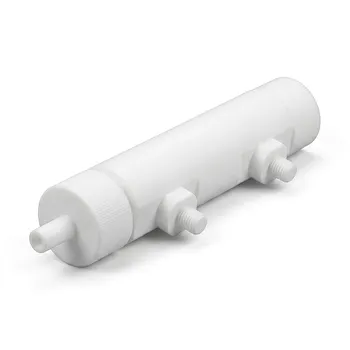
- Corrosion Resistant PTFE Support with PFA Transparent Reaction Tank and High Purity PFA Sampling Tube for Trace Analysis
- High Purity Corrosion Resistant PFA Reaction Vessel with PTFE Holder and Integrated Sampling Tube for Trace Analysis
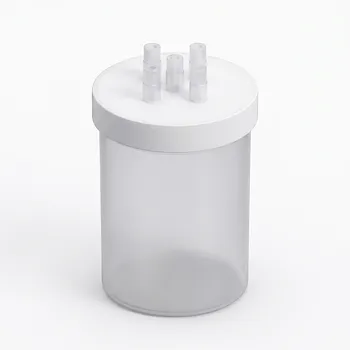
- Custom PFA Reaction Bottles High Purity PTFE Reaction Vessels Corrosion Resistant Petrochemical Containers
- High Performance Customizable PTFE Reaction Vessel and Corrosion Resistant Polytetrafluoroethylene Flask for Chemical Laboratory Use
- Corrosion Resistant PFA Reaction Tank High Purity Laboratory Reaction Bottle Wide Mouth PTFE Jar Multiple Specifications
People Also Ask
- What is the role of high chemical inertness reaction vessels in the organic synthesis of acylhydrazone ligands? | Guide
- How do the material choice and sealing integrity of the reaction vessel affect the growth of NiFe-LDH? Optimize Synthesis
- Why are corrosion-resistant vessels needed for alkaline cellulose extraction? Ensure Purity and Process Safety
- Role of reaction vessels in alkali treatment for oil palm waste: Achieve High-Purity Cellulose with PTFE Vessels
- Why are well-sealed reaction vessels necessary for superacid-promoted Friedel-Crafts polycondensation? Optimize Synthesis