Platinum foil is the standard choice for counter electrodes because it ensures the absolute integrity of electrochemical measurements. In cobalt sulfide supercapacitor systems, high-purity platinum foil provides exceptional electrical conductivity and chemical inertness in strong alkaline electrolytes like 3.0 M KOH. This stability prevents the electrode from participating in parasitic redox reactions, ensuring that every milliampere of measured current reflects the performance of the cobalt sulfide material alone.
Core Takeaway: Platinum foil acts as a chemically "invisible" conductor that completes the electrical circuit without introducing its own signals. This isolation is essential for accurately calculating the specific capacity and intrinsic performance of active materials.
The Necessity of Stability in Alkaline Environments
Resistance to Chemical Dissolution
In systems using 3.0 M KOH, the electrolyte is highly corrosive and can degrade lesser materials. High-purity platinum remains chemically inert, meaning it does not dissolve or release metal impurities into the solution during the test. This preservation of the electrolyte’s purity ensures that the observed electrochemical behavior is not skewed by secondary contaminants.
Eliminating Parasitic Redox Peaks
A primary requirement for a counter electrode is that it must not undergo its own oxidation or reduction within the tested voltage window. Platinum’s high overpotential for oxygen and hydrogen evolution reactions in these specific setups prevents it from generating parasitic redox peaks. Consequently, the charge storage data collected is derived exclusively from the cobalt sulfide working electrode.
Maintaining a Stable Current Loop
Because platinum does not self-oxidize or reduce during the testing cycle, it provides a stable current loop. This stability allows the electrochemical workstation to maintain precise control over the potential of the working electrode. Without this reliability, the cyclic voltammetry (CV) and polarization curves would be impossible to interpret accurately.
Optimizing the Electrochemical Circuit
Minimizing Charge Transfer Resistance
Platinum is among the most conductive materials available, which is vital for reducing charge transfer resistance at the interface between the electrode and the electrolyte. Lower resistance ensures that the electrochemical system responds rapidly to potential changes. This allows the researcher to measure the true kinetic limits of the cobalt sulfide rather than the limitations of the testing hardware.
Ensuring Working Electrode Dominance
For a test to be valid, the reaction rate at the counter electrode must be significantly higher than at the working electrode. By using platinum foil or plate, the system ensures that the measured current is primarily limited by the active material (cobalt sulfide) rather than the counter electrode. This configuration guarantees that the calculated specific capacity data is both objective and accurate.
Maximizing the Reaction Interface
While foil is common, the goal is often to provide a large effective surface area relative to the working electrode. This ensures that the counter electrode can effortlessly accommodate the flow of electrons required by the working electrode’s redox processes. A large, highly active interface prevents polarization effects at the counter electrode from interfering with the precision of the experiment.
Understanding the Trade-offs
While platinum is the "gold standard" for accuracy, it is not without practical considerations. The most significant trade-off is material cost, as high-purity platinum is an expensive precious metal compared to carbon-based or nickel-based alternatives.
Furthermore, while platinum is inert, researchers must ensure the surface area of the counter electrode is significantly larger (often 2-3 times) than the working electrode. If the counter electrode is too small, it can become a bottleneck in the system, leading to artificial "clipping" of current peaks and misleading data regarding the supercapacitor's rate capability.
How to Apply This to Your Research
Making the Right Choice for Your Goal
- If your primary focus is high-precision capacity measurement: Use high-purity platinum foil to ensure no parasitic reactions interfere with your charge calculations.
- If your primary focus is testing in strong alkaline media (KOH): Platinum is mandatory to prevent electrode dissolution and the introduction of metallic impurities.
- If your primary focus is high-rate performance or OER activity: Consider a platinum mesh instead of foil to maximize the effective surface area and prevent the counter electrode from limiting the reaction rate.
By utilizing high-purity platinum, you eliminate environmental variables and ensure your data truthfully reflects the intrinsic electrochemical characteristics of your material.
Summary Table:
| Key Feature | Advantage for Electrochemical Testing |
|---|---|
| Chemical Inertness | Prevents parasitic reactions and contamination in strong 3.0 M KOH electrolytes. |
| High Conductivity | Minimizes charge transfer resistance to measure true material kinetics. |
| Electrochemical Stability | Eliminates secondary redox peaks, ensuring data reflects only the active material. |
| Surface Area Optimization | Prevents polarization effects from limiting the reaction rate of the working electrode. |
Elevate Your Electrochemical Research with KINTEK
Precision in material science begins with the highest quality laboratory components. KINTEK specializes in manufacturing a comprehensive range of laboratory supplies, from essential PTFE and PFA labware (beakers, crucibles, and reagent bottles) to advanced custom electrochemical cells and battery testing fixtures.
Whether you need standard electrodes or bespoke non-standard machined parts via our end-to-end custom CNC fabrication, we deliver high-performance solutions tailored to your specific needs. Our expertise spans from fluid transfer components (tubing, valves) to sample prep tools and specialized reaction apparatus like hydrothermal synthesis liners.
Ready to optimize your testing system? Contact us today to discover how our high-performance fluoropolymer products and custom laboratory setups can ensure the absolute integrity of your research data.
References
- Nguyen Dinh Hung, Le van Khu. MORPHOLOGICAL AND PHASE EVOLUTION OF COBALT SULFIDE ON CARBON CLOTH VIA CONTROLLED HYDROTHERMAL SYNTHESIS FOR HIGH-PERFORMANCE FLEXIBLE SUPERCAPACITORS. DOI: 10.18173/2354-1059.2025-0057
This article is also based on technical information from Kintek Knowledge Base .
Related Products
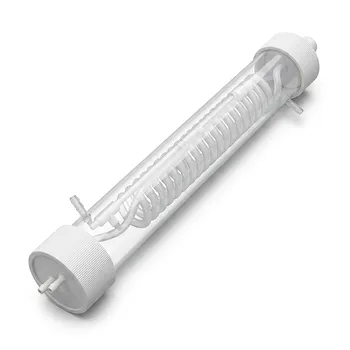
- High Purity PFA Condenser Serpentine Straight HF Resistant Reaction Apparatus Custom Circulation Column
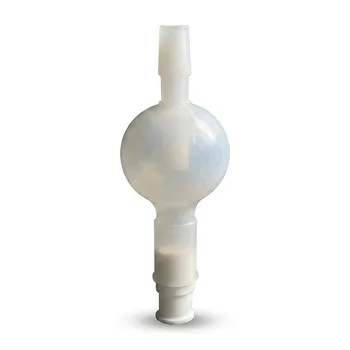
- High Purity PFA Syringe 10ml Corrosion Resistant Translucent Fluoropolymer Sampling Unit for Trace Analysis
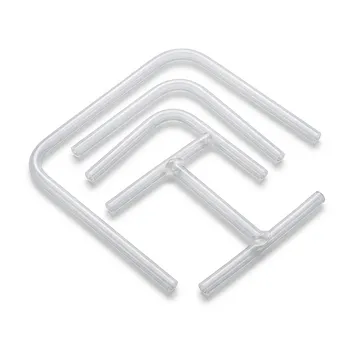
- High Purity PFA Coiled Tubing Custom PTFE Machining PFA Welding and Precision Bending Solutions
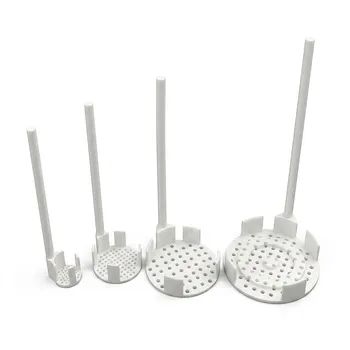
- High Purity PTFE Wafer Cassette Etching Carrier for Semiconductor Silicon Wafer Cleaning and Acid Resistance
- High Purity PFA Chromatography Column with Collection Bottle Corrosion Resistant Fluoropolymer Filtration System for Trace Analysis
People Also Ask
- Why is high-purity PFA laboratory equipment required for the trace analysis and species identification of polyoxometalates?
- Why is the chemical stability of polymer endgroups critical when selecting melt-processible fluoropolymers like PFA for high-purity laboratory apparatus? Choose Stable Endgroups for Reliable Performance
- Why is PFA often selected over traditional PTFE for manufacturing complex fluoropolymer fluid components, custom fittings, and sealed laboratory digestion vessels? Discover the key advantages for your lab.
- What are the characteristics of PFA material? A Guide to Its High-Performance Balance
- What are the key properties of PFA (PerFluoroAlkoxy)? A Guide to Extreme Chemical and Thermal Resistance