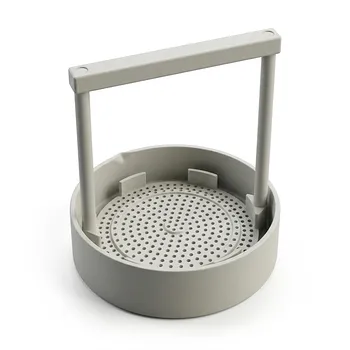
High-purity graphite is the gold standard for current collectors in acidic electrochemical testing because it provides an exceptional balance of chemical inertness and electrical conductivity. In harsh environments like 1 M sulfuric acid, it maintains its structural integrity without corroding or generating interfering background signals, ensuring that the measured data reflects only the properties of the active material.
Core Takeaway: High-purity graphite is selected to eliminate experimental "noise" and chemical interference; its corrosion resistance in acid and lack of inherent redox peaks ensure that electrochemical measurements are both accurate and reproducible.
The Chemical Imperative in Acidic Media
Superior Corrosion Resistance
High-purity graphite exhibits extraordinary stability when exposed to acidic electrolytes such as 1 M H2SO4. Unlike common metallic current collectors that might dissolve or oxidize in low-pH environments, graphite remains chemically dormant.
Prevention of Electrochemical Side Reactions
The high purity of the material is critical because it prevents unwanted side reactions that could skew results. By using a carbon-based substrate, researchers avoid the dissolution of heavy metals that can occur with metallic electrodes.
Protecting the Working Electrode
In long-term testing, using a graphite-based substrate ensures that no metallic ions migrate or deposit onto the working electrode. This preservation of the electrode's surface is vital for evaluating the intrinsic activity of the composite material being studied.
Maximizing Data Integrity and Accuracy
Absence of Inherent Redox Peaks
One of the most significant advantages of high-purity graphite is that it does not produce significant redox peaks of its own within the typical testing windows. This "blank canvas" effect allows for the precise calculation of specific capacitance and cyclic voltammetry (CV) profiles.
Rapid Electron Transfer
Despite its chemical inertness, high-purity graphite maintains excellent electrical conductivity. This ensures that charges generated by the composite active material are rapidly transferred to the external circuit with minimal resistive loss.
Stable Physical Support
Graphite sheets or rods provide a stable physical substrate for composite materials, such as modified carbon nanofibers or metal oxides. This mechanical stability ensures that the interface between the active material and the collector remains consistent throughout the experiment.
Understanding the Trade-offs
Mechanical Limitations
While chemically robust, high-purity graphite can be brittle compared to metallic foils like copper or nickel. It requires careful handling to prevent cracking or snapping, especially when used in rod or thin-sheet forms.
Potential for Intercalation
In specific high-voltage applications or extremely concentrated acids, there is a risk of ion intercalation into the graphite layers. While high-purity graphite minimizes this, researchers must be aware of the potential for slight volume expansion during extreme cycling.
Surface Area Considerations
The surface of a graphite sheet is relatively smooth, which can sometimes lead to adhesion challenges for certain composite slurries. Ensuring a uniform coating often requires precise control over the binder ratio and application technique.
Choosing Your Current Collector Strategically
To achieve the most accurate results in your electrochemical characterization, select your current collector based on the specific requirements of your electrolyte and material.
- If your primary focus is testing in acidic electrolytes (e.g., H2SO4): Use high-purity graphite to ensure chemical stability and prevent background redox interference.
- If your primary focus is evaluating intrinsic catalyst activity: Select high-purity graphite to avoid heavy metal contamination that could artificially enhance or suppress the observed performance.
- If your primary focus is high-conductivity hydrogen storage in alkaline media: Consider high-purity copper foil, as it offers superior mechanical stability during the volume changes associated with hydrogen absorption.
By prioritizing the chemical compatibility of your current collector with your electrolyte, you ensure that your findings are a true reflection of your material's potential.
Summary Table:
| Feature | Benefit | Application Note |
|---|---|---|
| Acid Resistance | Prevents corrosion in 1 M H2SO4 | Ideal for low-pH environments |
| Zero Redox Peaks | Eliminates background noise | Ensures accurate specific capacitance |
| High Conductivity | Rapid electron transfer | Minimizes resistive loss during CV |
| Chemical Inertness | Prevents heavy metal migration | Protects working electrode integrity |
Elevate Your Electrochemical Research with KINTEK
Precision in material science starts with the right tools. KINTEK specializes in manufacturing high-performance laboratory supplies, including advanced electrochemical cells, battery testing fixtures, and electrode accessories tailored for demanding research. From everyday basic labware like PTFE/PFA beakers, crucibles, and digestion tubes to complex custom CNC-fabricated parts, we provide everything you need for high-purity trace analysis.
Our expertise extends from fluid transfer components (tubing, valves) and sample prep tools to advanced hydrothermal synthesis liners and microwave digestion vessels. Whether you require standard fluoropolymer consumables or bespoke laboratory setups, KINTEK’s absolute focus on high-performance materials ensures your data integrity is never compromised.
Ready to optimize your lab's performance? Contact KINTEK today to discuss your standard or custom fabrication needs!
References
- A. I. Aparnev, A.A. Shishin. Ce <sub>2</sub> Sn <sub>2</sub> O <sub>7</sub> /CNFs composite as a material for gas sensors and supercapacitors. DOI: 10.15826/chimtech.9052
This article is also based on technical information from Kintek Knowledge Base .
Related Products
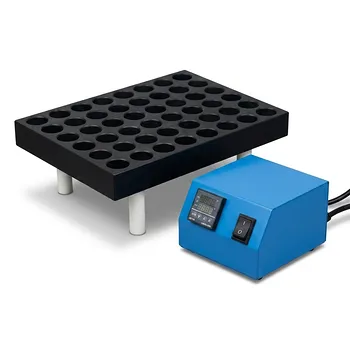
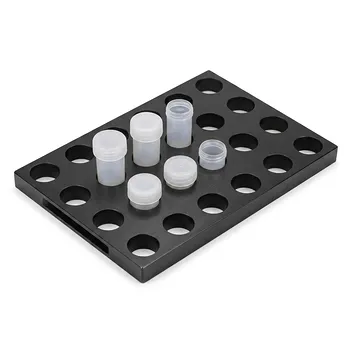
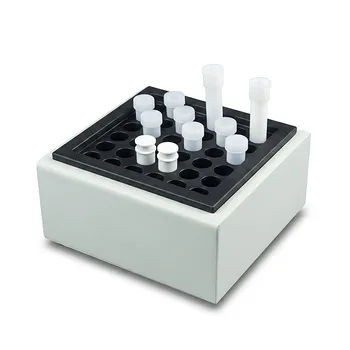
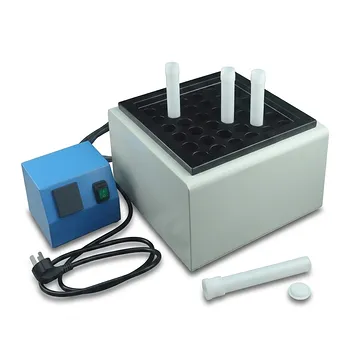
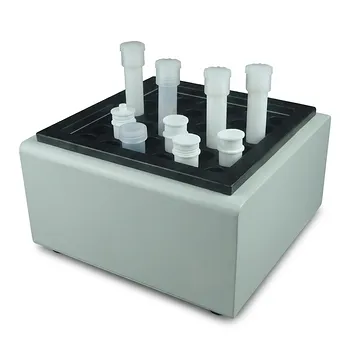
- High Purity Graphite Acid Digestion System Customizable Aluminum Alloy Heating Block for Trace Analysis Sample Preparation
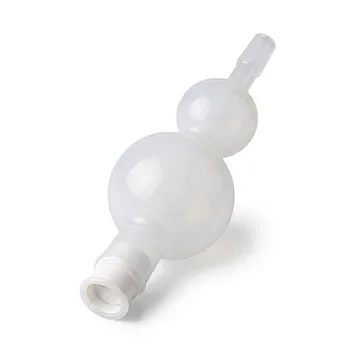
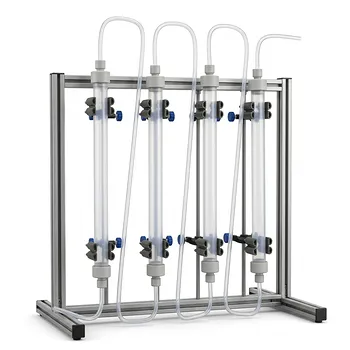
- High Purity PFA Chromatography Columns and Collection Bottles Corrosion Resistant Fluoropolymer Filtration Systems for Trace Analysis
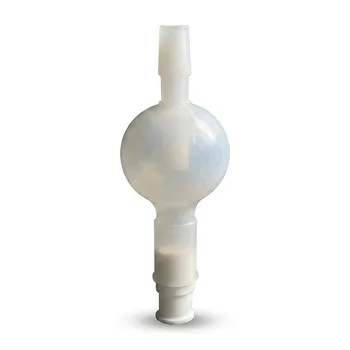
- High Purity PFA Chromatography Column with Collection Bottle Corrosion Resistant Fluoropolymer Filtration System for Trace Analysis
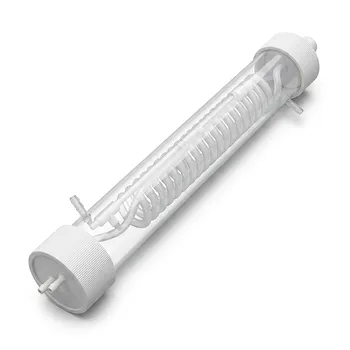
- High Purity PFA Condenser Serpentine Straight HF Resistant Reaction Apparatus Custom Circulation Column
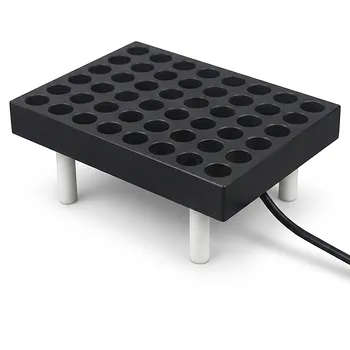
- Corrosion Resistant Graphite Digestion Support for Hot Plate High Temperature Geological Sample Preparation Customizable Hole Configuration
People Also Ask
- Which material properties obtained from DSC and structural analysis indicate high stretchability in PTFE fine powders? Key thermal and structural indicators for superior expansion performance
- What are the reasons for choosing a high-purity graphite rod as a counter electrode? Ensure Intrinsic Catalyst Accuracy
- What type of machines are indispensable for machining complex geometries in PTFE? The Essential Multi-Axis CNC Systems
- Why is high-purity nitric acid digestion required before performing AAS on birnessite? Achieve Precise Trace Analysis.
- What are the benefits of using graphite packing? Achieve Superior Sealing in High-Temp Applications