High-purity graphite sheets are selected as current collectors primarily because they combine exceptional electrical conductivity with superior chemical stability in corrosive environments. They act as an inert, highly conductive platform that ensures the measured electrochemical performance—such as specific capacitance—is a true reflection of the active material rather than the underlying substrate.
Core Takeaway: High-purity graphite sheets serve as a "blank canvas" for electrochemical testing; their chemical inertness prevents background noise and side reactions, while their conductivity ensures rapid, accurate charge transfer from the active material to the circuit.
The Role of Chemical Inertness in Acidic Media
Resisting Corrosion in Sulfuric Acid
Supercapacitor electrodes are frequently tested in harsh acidic electrolytes, such as 1 M H2SO4. High-purity graphite is naturally resistant to corrosion in these environments, ensuring the current collector does not degrade during the experiment.
Eliminating Background Redox Activity
Unlike many metallic substrates, high-purity graphite does not produce significant redox peaks of its own within standard operating windows. This lack of inherent electrochemical activity allows researchers to isolate the specific capacitance of the active material without interference from the substrate.
Preventing Electrolyte Contamination
The high purity of the graphite ensures that no trace heavy metals or impurities leach into the electrolyte. This prevents the "poisoning" of the working electrode, a critical factor when evaluating the intrinsic activity of sensitive carbon-based catalysts.
Optimizing Electrical and Physical Performance
Rapid Charge Transfer Mechanisms
The primary function of a current collector is to move electrons. High-purity graphite provides a low-resistance path that ensures charges generated by materials like CuSnO3 or modified carbon nanofibers are rapidly transferred to the external test circuit.
Providing Stable Physical Support
Graphite sheets offer a robust and stable surface for the mechanical adhesion of active materials. This physical stability is vital for maintaining consistent electrical contact throughout the duration of cyclic voltammetry or charge-discharge testing.
Reducing Internal Resistance
By minimizing the contact resistance between the active material and the circuit, graphite sheets help provide a more accurate measurement of the material's inherent power density. High internal resistance can mask the true performance of a high-rate supercapacitor.
Understanding the Trade-offs
Comparing Graphite to Metal Foils
While metals like copper foil offer higher absolute conductivity, they are often unsuitable for acidic testing due to rapid oxidation and dissolution. Graphite is chosen specifically for its balance of "good enough" conductivity and "superior" chemical resilience.
Limitations in Mechanical Flexibility
High-purity graphite sheets can be more brittle than metal foils. While they provide excellent support for stationary laboratory testing, they may not be the ideal choice for flexible or wearable supercapacitor prototypes where extreme bending is required.
Surface Area Considerations
The surface of a graphite sheet is relatively smooth compared to etched metal foams. While this is excellent for calculating precise geometric surface area, it may require specific binders to ensure the active material does not delaminate during long-term cycling.
Selecting the Right Collector for Your Research
When designing an electrochemical test, the choice of current collector must align with the electrolyte chemistry and the expected voltage window.
- If your primary focus is testing in acidic electrolytes (e.g., H2SO4): High-purity graphite sheets are the gold standard because they prevent substrate-driven side reactions and corrosion.
- If your primary focus is hydrogen storage in alkaline media: Consider high-purity copper foil, which offers superior conductivity and mechanical stability during the volume expansion of active materials.
- If your primary focus is avoiding trace metal interference: Always utilize high-purity graphite rods or sheets to eliminate the risk of heavy metal deposition on your working electrode.
Choosing high-purity graphite ensures that the data you collect is a precise, unbiased representation of your material's electrochemical potential.
Summary Table:
| Feature | Benefit for Supercapacitor Testing | Research Impact |
|---|---|---|
| Chemical Inertness | Prevents background redox activity and side reactions. | Isolate true material performance. |
| Acid Resistance | Maintains stability in harsh electrolytes like 1 M H2SO4. | Ensures collector durability. |
| High Purity | Eliminates trace heavy metal leaching and contamination. | Prevents poisoning of catalysts. |
| Electrical Conductivity | Provides a low-resistance path for charge transfer. | Accurate power density readings. |
| Physical Stability | Offers robust mechanical adhesion for active materials. | Consistent electrical contact. |
Elevate Your Laboratory Precision with KINTEK
Is your electrochemical research demanding the highest levels of purity and chemical resistance? KINTEK specializes in high-performance fluoropolymer materials, providing the precision tools you need for reliable data.
From everyday basic labware like PTFE beakers, crucibles, and reagent bottles to advanced standard or custom electrochemical cells and battery testing fixtures, we offer a comprehensive range of supplies including:
- Fluid Transfer: PFA tubing, fittings, and valves.
- Sample Prep: Separatory funnels, filters, and high-purity digestion tubes.
- Specialized Hardware: Microwave digestion vessels, microchannel reactors, and custom CNC-fabricated parts.
Whether you need high-volume consumables or a bespoke laboratory setup tailored to your unique specifications, KINTEK delivers end-to-end solutions with an absolute focus on performance and durability.
Contact KINTEK today to discuss your custom labware needs!
References
- Anton V. Loginov, Alexander G. Bannov. Carbon nanofiber–based CuSn(OН) <sub>6</sub> and CuSnO <sub>3</sub> composites for NO <sub>2</sub> gas sensors and supercapacitors. DOI: 10.15826/chimtech.9167
This article is also based on technical information from Kintek Knowledge Base .
Related Products
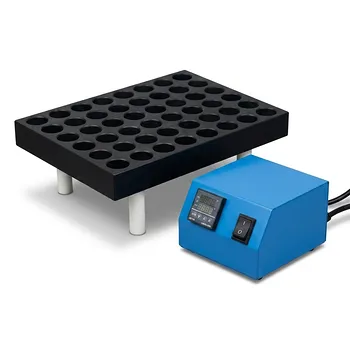
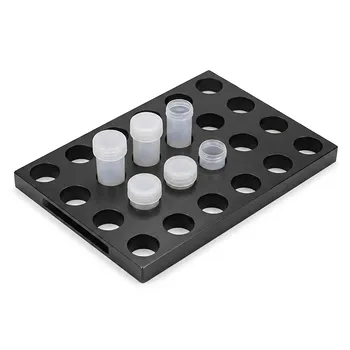
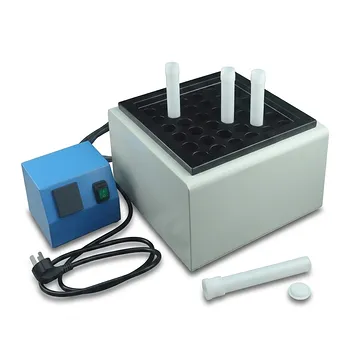
- High Purity Graphite Acid Digestion System Customizable Aluminum Alloy Heating Block for Trace Analysis Sample Preparation
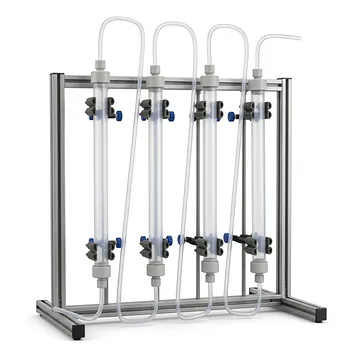
- High Purity PFA Chromatography Columns Series Filtration Resin Ion Exchange System with Sieve Plate Rack Customizable Corrosion Resistant Laboratory Fluid Handling
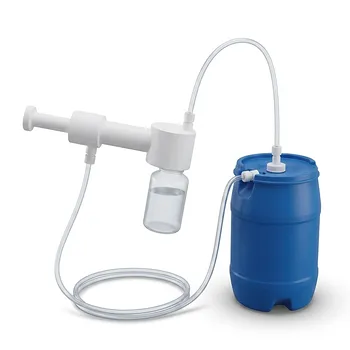
- High Purity PFA Chromatography Column with Collection Bottle Corrosion Resistant Fluoropolymer Filtration System for Trace Analysis
- High Purity PTFE Material Shovel Non Stick Chemically Inert Pharmaceutical Scoop for Trace Analysis
- High Purity PTFE Ultrapure Liquid Sampler for Acid Extraction and Reactor Sampling Customizable Dimensions
People Also Ask
- How is DSC applied to determine processing windows and cure kinetics in fluoropolymer synthesis? Key thermal analysis techniques for optimizing cure schedules.
- Which material properties obtained from DSC and structural analysis indicate high stretchability in PTFE fine powders? Key thermal and structural indicators for superior expansion performance
- What are the reasons for choosing a high-purity graphite rod as a counter electrode? Ensure Intrinsic Catalyst Accuracy
- What type of machines are indispensable for machining complex geometries in PTFE? The Essential Multi-Axis CNC Systems
- Why is high-purity nitric acid digestion required before performing AAS on birnessite? Achieve Precise Trace Analysis.