Choosing a high-purity graphite rod is the standard protocol for ensuring the integrity of carbon catalyst evaluations in electrochemical testing. By utilizing graphite, researchers prevent heavy metal ions—which can leach from traditional metal counter electrodes—from migrating and depositing onto the working electrode. This isolation is critical for confirming that the measured performance is an intrinsic property of the catalyst itself rather than an artifact of metallic contamination.
High-purity graphite rods serve as chemically inert, non-contaminating counter electrodes that safeguard the working electrode from metal redeposition. This ensures that the recorded catalytic activity reflects the true performance of the carbon material, particularly during sensitive ORR and OER measurements.
Preventing Working Electrode Contamination
Eliminating Metal Dissolution and Migration
In many electrochemical setups, using a platinum counter electrode can lead to the dissolution of trace amounts of platinum into the electrolyte. These dissolved metal ions can migrate to the working electrode and deposit onto the catalyst surface. Even minute amounts of platinum can significantly inflate the perceived activity of a carbon catalyst, leading to inaccurate data.
Ensuring Long-Term Test Integrity
During extended testing, such as stability or durability cycles, the risk of metal leaching increases. A high-purity graphite rod provides excellent chemical stability, ensuring that no foreign heavy metals are introduced into the system over time. This allows for a definitive evaluation of the intrinsic activity and long-term durability of the carbon-based material.
Stability Across Diverse Environments
Resilience in Alkaline and Acidic Electrolytes
Graphite exhibits exceptional corrosion resistance in both strong alkaline environments (often used for OER/ORR) and acidic media like 1 M sulfuric acid. This versatility makes it a universal choice for various testing conditions. It provides a stable physical support and maintains its structural integrity without reacting with the electrolyte.
Minimizing Background Electrochemical Noise
High-purity graphite is chosen because it does not produce significant redox peaks of its own within the typical testing windows. This "clean" electrochemical profile ensures that the current measured during cyclic voltammetry accurately reflects the active material's response. It provides a stable conductive substrate that facilitates rapid electron transfer without interference.
Understanding the Trade-offs
The Risk of Surface Disintegration
While graphite is chemically stable, it can undergo mechanical degradation or "sloughing" under high current densities or intense gas evolution (like during OER). Small carbon particles may break off into the electrolyte, which, while not as catalytically active as metal contaminants, can still cloud the electrolyte.
Conductivity vs. Surface Area
While graphite is highly conductive, it may not match the extreme low overpotential of a platinum electrode in specific reactions like the Hydrogen Evolution Reaction (HER). Researchers must balance the need for the high conductivity of metals against the paramount requirement for chemical purity and the prevention of cross-contamination.
Making the Right Choice for Your Goal
To ensure the most accurate results in your electrochemical experiments, consider the following recommendations:
- If your primary focus is evaluating carbon-based ORR/OER catalysts: Use a high-purity graphite rod to eliminate the risk of metal redeposition and ensure the measured activity is intrinsic to your material.
- If your primary focus is testing in harsh acidic or alkaline media: Leverage graphite’s superior corrosion resistance to maintain a stable counter electrode environment over long durations.
- If your primary focus is high-precision capacitance measurements: Utilize high-purity graphite current collectors to ensure rapid charge transfer without the interference of unwanted redox peaks.
By prioritizing the use of high-purity graphite rods, you ensure that your catalytic data is both reproducible and a true reflection of your material's engineered properties.
Summary Table:
| Feature | Advantage for RDE Testing | Impact on Data Accuracy |
|---|---|---|
| Metal-Free Composition | Prevents heavy metal (e.g., Pt) leaching and redeposition | Ensures measured activity is intrinsic to the catalyst |
| Chemical Stability | Resists corrosion in strong acidic and alkaline electrolytes | Maintains integrity during long-term stability/durability tests |
| Low Redox Activity | Minimal background electrochemical noise/peaks | Provides a clean profile for precise cyclic voltammetry |
| Universal Support | Stable physical substrate for electron transfer | Reliable performance across diverse testing environments |
Elevate Your Electrochemical Research with KINTEK
Precision in catalyst evaluation starts with high-purity materials and contamination-free setups. At KINTEK, we specialize in high-performance fluoropolymer and graphite solutions designed for the most demanding laboratory environments.
Whether you need standard high-purity graphite rods or advanced custom electrochemical cells, our end-to-end CNC fabrication ensures you receive bespoke laboratory setups tailored to your specific research goals. From PTFE and PFA labware (beakers, reagent bottles, and digestion tubes) and fluid transfer components (valves, fittings, and tubing) to specialized battery testing fixtures, hydrothermal synthesis liners, and microwave digestion vessels, KINTEK provides the absolute focus on quality your data deserves.
Ready to optimize your lab's performance? Contact us today to discuss our range of electrode accessories and custom-machined fluoropolymer parts designed for high-purity trace analysis and advanced reactions.
References
- Jiawei He, Mengmeng Fan. Joule Heating-Driven sp2-C Domains Modulation in Biomass Carbon for High-Performance Bifunctional Oxygen Electrocatalysis. DOI: 10.1007/s40820-025-01725-0
This article is also based on technical information from Kintek Knowledge Base .
Related Products
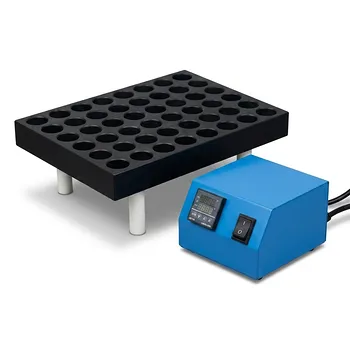
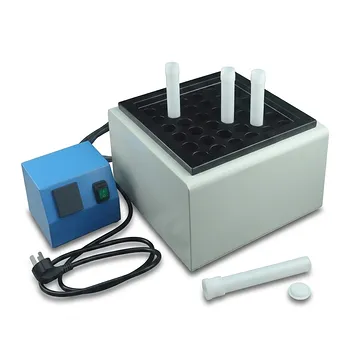
- High Purity Graphite Acid Digestion System Customizable Aluminum Alloy Heating Block for Trace Analysis Sample Preparation
- Custom Graphite Filled PTFE Rods for Advanced Industrial Applications
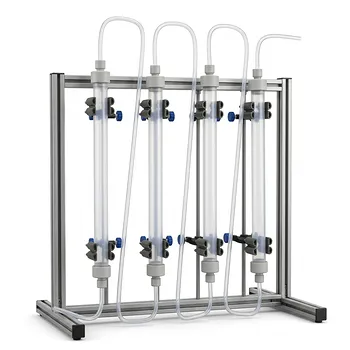
- High Purity PFA Chromatography Columns Series Filtration Resin Ion Exchange System with Sieve Plate Rack Customizable Corrosion Resistant Laboratory Fluid Handling
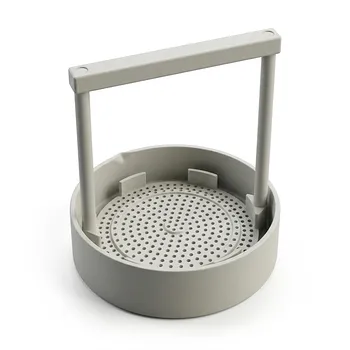
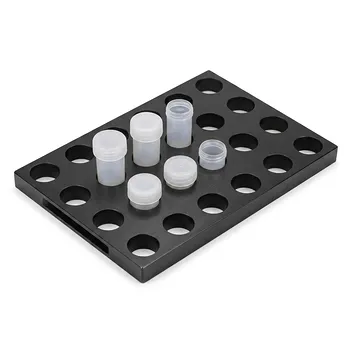
- Corrosion Resistant Graphite Digestion Support for Hot Plate High Temperature Geological Sample Preparation Customizable Hole Configuration
- High Purity PTFE Material Shovel Non Stick Chemically Inert Pharmaceutical Scoop for Trace Analysis
People Also Ask
- Which material properties obtained from DSC and structural analysis indicate high stretchability in PTFE fine powders? Key thermal and structural indicators for superior expansion performance
- What type of machines are indispensable for machining complex geometries in PTFE? The Essential Multi-Axis CNC Systems
- Why is high-purity nitric acid digestion required before performing AAS on birnessite? Achieve Precise Trace Analysis.
- Why is high-purity graphite selected as a current collector? Ensure accurate electrochemical data in acidic media.
- What are the benefits of using graphite packing? Achieve Superior Sealing in High-Temp Applications