The selection of a PTFE-lined stainless steel autoclave is fundamental to achieving the controlled high-pressure conditions and high chemical purity necessary for $Co_3O_4$ nanosheet formation. This specialized vessel allows cobalt salt precursors to undergo hydrothermal crystallization in organic solvents at temperatures and pressures that would be impossible in open-air glassware. By separating the structural demands of the reaction from the chemical environment, researchers can ensure consistent morphology and high phase purity.
A PTFE-lined stainless steel autoclave provides a "dual-defense" system: the stainless steel shell offers the mechanical strength to contain high autogenous pressure, while the PTFE liner ensures a chemically inert environment that prevents metal contamination. This combination is essential for guiding the precise chemical transformation of precursors into high-quality nanosheets.
Creating the High-Pressure Solvothermal Environment
Overcoming Solvent Boiling Points
Solvothermal synthesis often requires temperatures that exceed the normal boiling point of the organic solvents used. The sealed autoclave allows the internal pressure to rise as the temperature increases, preventing the solvent from evaporating and enabling the reaction to occur in a liquid or supercritical state.
Facilitating Crystalline Growth
The high-pressure environment within the autoclave increases the solubility of the cobalt salt precursors. This facilitates the transport of reactants and promotes the ordered assembly of ions into the specific crystalline structures required for $Co_3O_4$ nanosheets.
Controlled Morphological Evolution
By maintaining a stable, high-pressure environment, the autoclave ensures that the growth of the nanosheets occurs uniformly. This control is critical for achieving the specific surface area and thickness that define the performance of the synthesized cobalt oxide.
The Role of the PTFE Liner in Purity and Protection
Chemical Inertness and Corrosion Resistance
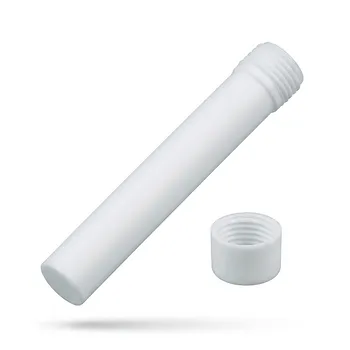
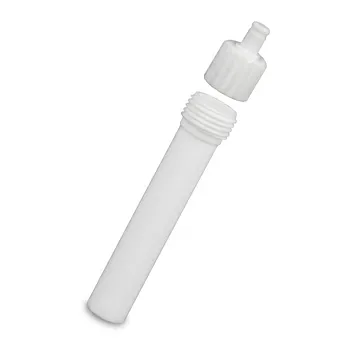
The PTFE (polytetrafluoroethylene) liner is exceptionally resistant to aggressive chemicals and organic solvents. It acts as a barrier, preventing the cobalt salt precursors and reaction byproducts from making direct contact with the metal walls of the autoclave.
Preventing Metal Ion Contamination
If the reaction solution were to contact the stainless steel shell directly, metal ions from the steel could leach into the solution. Using a PTFE liner ensures the high purity of the $Co_3O_4$ nanosheets by eliminating the risk of iron, nickel, or chromium contamination.
Anti-Adhesive Properties for Product Recovery
PTFE is known for its extremely smooth, anti-adhesive surface. This characteristic makes it significantly easier to collect the solid precipitates—the synthesized powders—after the reaction is complete, minimizing product loss.
The Structural Necessity of Stainless Steel
Managing Autogenous Pressure
While PTFE provides chemical protection, it lacks the mechanical strength to contain the high pressures generated during synthesis. The stainless steel outer shell provides the necessary structural integrity to safely manage significant internal pressure.
Ensuring Equipment Longevity
By shielding the stainless steel from corrosive reaction liquids, the PTFE liner prevents the metal from eroding over time. This protection is vital for maintaining the safety and extending the operational lifespan of the high-pressure equipment.
Understanding the Trade-offs and Limitations
Temperature Constraints
The primary limitation of this setup is the thermal threshold of the PTFE liner. PTFE typically begins to soften or decompose at temperatures above 250°C, which limits the maximum synthesis temperature compared to metallic or ceramic-lined reactors.
Thermal Expansion Mismatch
PTFE and stainless steel have different rates of thermal expansion. If the autoclave is heated or cooled too rapidly, the liner can deform or crack, potentially allowing the reaction solution to leak and attack the stainless steel shell.
Pressure Limitations of Seals
The effectiveness of the autoclave depends entirely on the seal between the liner and the cap. If the seal is compromised by high-concentration chlorides or physical wear, the pressure can drop, stalling the synthesis and potentially creating a safety hazard.
How to Apply This to Your Project
Making the Right Choice for Your Goal
- If your primary focus is high phase purity: Prioritize the use of a clean, unscratched PTFE liner to prevent any possible metal ion leaching from the autoclave body.
- If your primary focus is morphological control: Ensure the autoclave is filled to the recommended capacity (usually 60-80%) to generate the consistent autogenous pressure required for nanosheet growth.
- If your primary focus is equipment safety: Strictly adhere to the temperature limits of your PTFE liner—typically staying below 200°C–220°C—to prevent liner deformation and structural failure.
The PTFE-lined stainless steel autoclave remains the industry standard for $Co_3O_4$ synthesis because it perfectly balances the need for extreme physical conditions with the requirement for a pristine chemical environment.
Summary Table:
| Component | Primary Function | Key Advantage for Synthesis |
|---|---|---|
| PTFE Liner | Chemical Barrier | Prevents metal contamination and ensures high phase purity. |
| Stainless Steel Shell | Structural Support | Safely contains high autogenous pressure at elevated temperatures. |
| Sealing System | Pressure Retention | Maintains a stable environment for uniform nanosheet growth. |
| Anti-Adhesive Surface | Product Recovery | Simplifies the collection of solid precipitates with minimal loss. |
Elevate Your Synthesis with KINTEK Fluoropolymer Expertise
Precision in solvothermal synthesis starts with the right equipment. KINTEK specializes in high-performance PTFE and PFA laboratory supplies, designed to withstand aggressive chemical environments and high-pressure demands.
From everyday basic labware like beakers, crucibles, and reagent bottles to advanced hydrothermal synthesis liners, microwave digestion vessels, and custom electrochemical cells, we provide the tools you need for high-purity results. Our capabilities extend to end-to-end custom CNC fabrication, allowing us to deliver bespoke laboratory setups and complex non-standard parts tailored to your specific research needs.
Don't compromise on purity or safety. Partner with KINTEK for everything from centrifuge tubes and filtration tools to high-volume custom components—maintaining an absolute focus on high-performance fluoropolymers.
Contact us today to discuss your custom labware requirements and optimize your research!
References
- Xiaoxuan Fan, Dengsong Zhang. Boosted charge and proton transfer over ternary Co/Co3O4/CoB for electrochemical nitric oxide reduction to ammonia. DOI: 10.1038/s41467-025-60043-6
This article is also based on technical information from Kintek Knowledge Base .
Related Products
- Custom TFM Reaction Vessel with Stainless Steel Jacket and PTFE Inner Cup for High Corrosion Resistance
- PTFE Lined High Pressure Digestion Vessel 50ml High Temperature Hydrothermal Synthesis Tank
- High Pressure Custom TFM Reactor Stainless Steel Outer Vessel PTFE Inner Cup for Corrosive Synthesis
- High Purity TFM Microwave Digestion Vessels PTFE Acid Evaporation Liners Domestic GT-400 Equivalent Laboratory Reaction Containers
- High Purity PTFE Microwave Digestion Vessel Replacement Liner for Acid Sample Preparation and Trace Analysis
People Also Ask
- Why are high-performance pressure-resistant reaction vessels required for oxygen-assisted hydrothermal conversion at 150 °C?
- Why are high-quality fluoropolymer-lined reaction vessels required for alk-Ti3C2Tx MXene? Ensure Purity & HF Resistance
- How do magnetic stirring and reaction vessels impact MOF-derived carbon quality? Optimize Your Composite Performance
- Why are PTFE-lined reaction vessels necessary for forced degradation studies? Ensure high-purity results and accuracy.
- Why is a high-purity PTFE lined reaction vessel required for the acidic etching of MXenes? Ensure Material Purity.