Hydrothermal synthesis of FeNiCo MOFs requires a PTFE-lined stainless steel autoclave to create a high-pressure, chemically inert environment. This specialized reactor allows the synthesis to occur at 160 °C, far exceeding the atmospheric boiling point of the solvents involved. The dual-material design ensures the reactor can withstand extreme autogenous pressure while preventing corrosive reagents from compromising the purity of the metal-organic framework.
The PTFE-lined autoclave is a critical tool that facilitates the crystallization of MOFs by combining the mechanical strength of steel with the chemical "blanket" of a polymer liner. This setup allows for subcritical reaction conditions that improve reactant solubility and prevent metal contamination from the reactor walls.
The Mechanical Necessity of the Stainless Steel Shell
Withstanding High Autogenous Pressure
At the required synthesis temperature of 160 °C, solvents inside the sealed vessel generate significant internal pressure. The stainless steel outer shell provides the necessary tensile strength to contain this pressure without deforming or rupturing.
Maintaining a Subcritical State
By sealing the environment, the autoclave keeps solvents in a subcritical state, where they remain liquid above their normal boiling points. This high-pressure environment significantly enhances the solubility of precursors and the diffusion rates of reactants, which are essential for the ordered assembly of FeNiCo ligands.
Thermal Stability and Safety
The steel casing acts as a protective barrier, ensuring that the internal reaction remains stable over extended periods. This is particularly vital for long-duration synthesis where consistent heat transfer and pressure maintenance are required to form specific crystalline phases.
The Chemical Role of the PTFE Liner
Superior Chemical Inertness
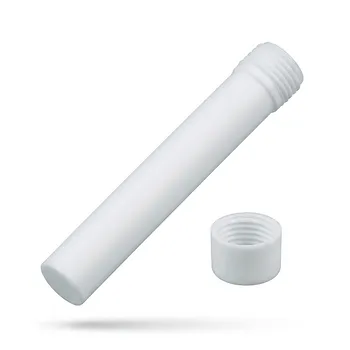
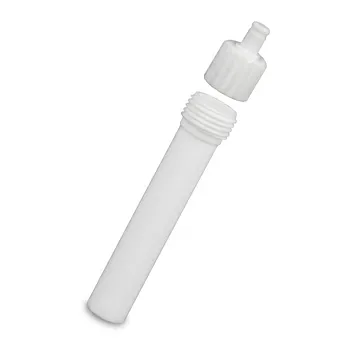
The internal Polytetrafluoroethylene (PTFE) liner is used because it is almost entirely non-reactive. It resists the corrosive effects of reagents used in MOF synthesis, such as hydrofluoric acid (HF) or organic solvents like DMF, which would otherwise degrade standard laboratory glassware or metal surfaces.
Preventing Metal Leaching and Impurities
A primary concern in synthesizing trimetallic MOFs like FeNiCo is maintaining the exact stoichiometric ratio of the metals. The PTFE liner prevents metal ions (such as Chromium or Iron) from leaching out of the stainless steel reactor walls and into the solution, ensuring the structural purity of the MOF.
Facilitating Crystal Growth on Substrates
In many FeNiCo applications, the MOF is grown directly onto substrates like Nickel Foam. The inert PTFE environment ensures that the chemical interaction occurs only between the precursors and the intended substrate, leading to the formation of specific morphologies, such as needle-like or stacked structures.
Understanding the Trade-offs and Limitations
Temperature Constraints
While PTFE is highly stable, it has a functional limit, typically around 250 °C. Beyond this point, the liner can soften or release toxic vapors, meaning the hydrothermal process must be strictly monitored to stay within the safe operating range of the polymer.
Poor Thermal Conductivity
PTFE is an insulator, which creates a thermal lag between the oven temperature and the actual reaction temperature inside the liner. Researchers must account for this delay when timing their synthesis to ensure the precursors have spent sufficient time at the target temperature.
Risk of Pressure Failure
The seal between the PTFE liner and the stainless steel lid is a common point of failure. If the internal pressure exceeds the design limits or if the cooling process is too rapid, the liner can deform or "collapse," potentially leading to a leak that could corrode the outer steel shell.
Applying This to Your Synthesis Goals
How to Apply This to Your Project
- If your primary focus is maximum crystalline purity: Ensure your PTFE liners are thoroughly cleaned with dilute acid between uses to remove any residual metal ions that could act as nucleation sites.
- If your primary focus is safety and longevity: Never fill the PTFE liner beyond 80% of its total volume to allow sufficient "headspace" for gas expansion and prevent over-pressurization.
- If your primary focus is morphology control: Use the autoclave to precisely maintain subcritical conditions, as even small fluctuations in pressure can change the diffusion rate and alter the MOF's surface structure.
By correctly utilizing the synergy between the steel's strength and the PTFE's inertness, you can reliably produce high-quality FeNiCo MOFs suitable for advanced electrochemical applications.
Summary Table:
| Feature | Component | Primary Purpose in MOF Synthesis |
|---|---|---|
| Pressure Resistance | Stainless Steel Shell | Withstands high autogenous pressure at 160°C+ |
| Chemical Inertness | PTFE Liner | Prevents corrosion from reagents (e.g., HF, DMF) |
| Purity Control | Material Synergy | Prevents metal leaching to maintain stoichiometric ratios |
| Reaction State | Sealed Environment | Maintains subcritical state to enhance precursor solubility |
| Morphology Control | Controlled Environment | Facilitates uniform crystal growth on substrates like Ni foam |
Elevate Your Synthesis Precision with KINTEK
High-performance hydrothermal synthesis requires equipment that never compromises on purity. KINTEK specializes in high-performance fluoropolymer materials, offering everything from standard labware to complex, custom-engineered solutions.
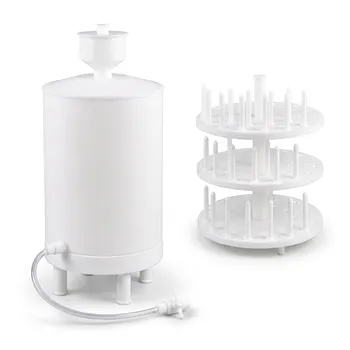
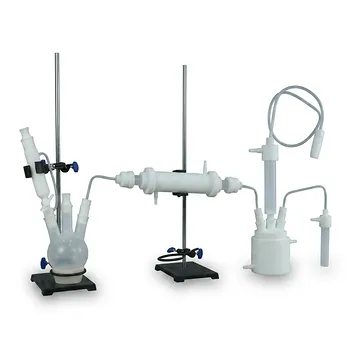
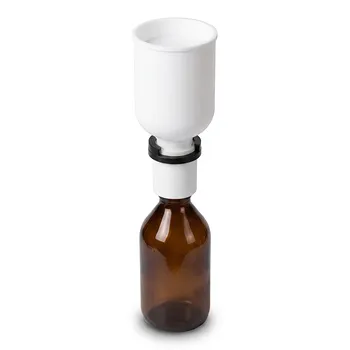
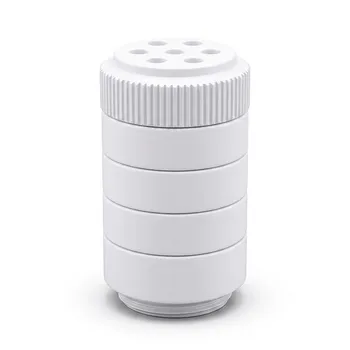
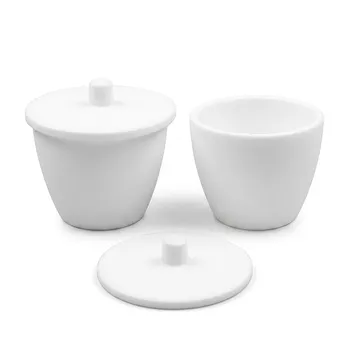
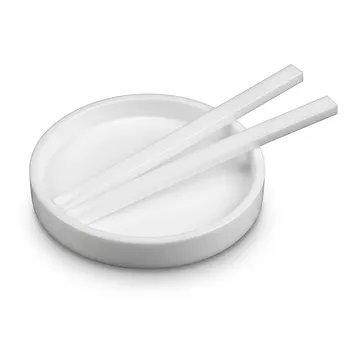
Whether you need everyday essentials like PTFE beakers, reagent bottles, and digestion tubes, or advanced apparatus such as electrochemical cells, battery testing fixtures, and custom-machined autoclave liners, our end-to-end CNC fabrication ensures your research environment remains chemically inert and structurally sound.
From high-purity trace analysis instruments to comprehensive fluid transfer components (tubing, valves, and fittings), we deliver absolutely everything required for the most demanding FeNiCo MOF applications.
Ready to optimize your lab's performance? Contact KINTEK today to discuss your bespoke laboratory setups or high-volume orders with our material experts.
References
- Yudum Tepeli Büyüksünetçi. INVESTIGATION OF PEROXIDASE-MIMICKING PROPERTIES OF FeNiCo METAL-ORGANIC FRAMEWORK DECORATED MWCNT COMPOSITE NANOMATERIAL. DOI: 10.22531/muglajsci.1687954
This article is also based on technical information from Kintek Knowledge Base .
Related Products
- Custom TFM Reaction Vessel with Stainless Steel Jacket and PTFE Inner Cup for High Corrosion Resistance
- PTFE Lined High Pressure Digestion Vessel 50ml High Temperature Hydrothermal Synthesis Tank
- High Pressure Custom TFM Reactor Stainless Steel Outer Vessel PTFE Inner Cup for Corrosive Synthesis
- High Purity TFM Microwave Digestion Vessels PTFE Acid Evaporation Liners Domestic GT-400 Equivalent Laboratory Reaction Containers
- High Purity PTFE Microwave Digestion Vessel Replacement Liner for Acid Sample Preparation and Trace Analysis
People Also Ask
- Why are high-performance pressure-resistant reaction vessels required for oxygen-assisted hydrothermal conversion at 150 °C?
- Why are PTFE-lined reaction vessels necessary for forced degradation studies? Ensure high-purity results and accuracy.
- Why are high-quality fluoropolymer-lined reaction vessels required for alk-Ti3C2Tx MXene? Ensure Purity & HF Resistance
- How do magnetic stirring and reaction vessels impact MOF-derived carbon quality? Optimize Your Composite Performance
- Why is a high-purity PTFE lined reaction vessel required for the acidic etching of MXenes? Ensure Material Purity.