The integration of a PTFE liner is a critical requirement for both chemical purity and structural safety.
During the hydrothermal synthesis of zinc oxide (ZnO) and carbon dot nanocomposites, a PTFE (Polytetrafluoroethylene) liner acts as a chemically inert barrier. It prevents corrosive precursor solutions—such as strong bases—from attacking the stainless steel autoclave walls, while simultaneously ensuring that no metallic ions leach into the sample, which would otherwise degrade the nanocomposite's optical and crystalline properties.
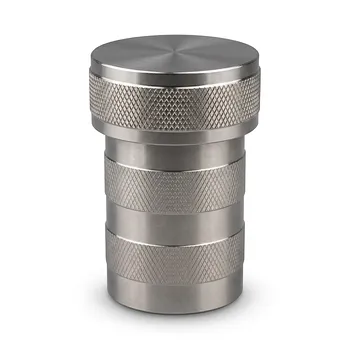
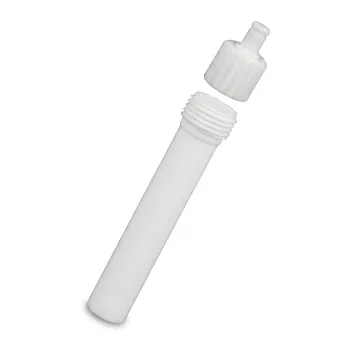
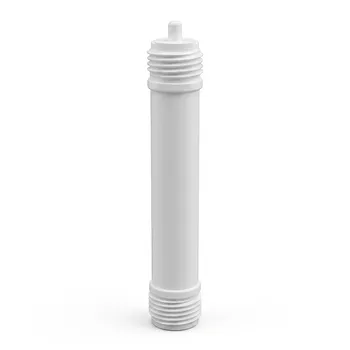
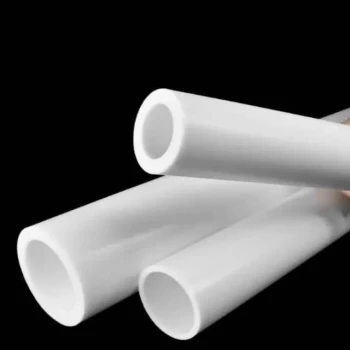
The PTFE liner serves as a "vessel within a vessel" that isolates the reaction environment. This dual-purpose setup protects the expensive steel reactor from corrosion and guarantees the high phase purity necessary for functional nanomaterials.
Preventing Chemical Corrosion and Structural Failure
Resistance to Aggressive Alkaline Environments
The synthesis of ZnO typically requires high concentrations of strong bases, such as Sodium Hydroxide (NaOH). At the elevated temperatures and pressures of a hydrothermal process, these bases become highly aggressive and would rapidly corrode a standard stainless steel reactor.
Protecting the Autoclave’s Structural Integrity
Hydrothermal autoclaves rely on the mechanical strength of their stainless steel shells to contain autogenous pressure. If the reaction solution were in direct contact with the steel, the resulting corrosion would thin the walls and lead to catastrophic vessel failure under pressure.
Durability Under Prolonged Heat
PTFE is specifically chosen because it remains stable at the common synthesis temperatures (often between 100°C and 200°C). It maintains its chemical inertness throughout the long reaction times—sometimes lasting 12 hours or more—required for the uniform anchoring of carbon dots onto ZnO structures.
Maintaining Material Integrity and Crystallinity
Elimination of Metallic Ion Contamination
For nanocomposites like ZnO and carbon dots, electronic and optical purity is paramount. A PTFE liner prevents the leaching of iron, chromium, or nickel ions from the steel body, which would otherwise act as impurities and disrupt the material's photocatalytic or luminescent performance.
Promotion of High Crystallinity
By providing a stable, unreactive environment, the liner allows the ZnO nanoparticles to achieve high crystallinity and precise stoichiometry. This is essential for ensuring that the resulting ZnO@carbon dot composite has the specific semiconductor properties required for its intended application.
Improving Powder Yield through Low Surface Energy
PTFE possesses an extremely low surface energy, making it naturally "non-stick." This characteristic prevents the synthesized ZnO particles from adhering to the container walls, which ensures a more stable powder yield and simplifies the recovery of the nanocomposite.
Understanding the Trade-offs and Limitations
Temperature and Pressure Ceilings
While PTFE is highly resistant, it has a functional temperature limit, typically around 250°C. Exceeding this limit causes the material to soften or even release toxic fluorinated gases, potentially compromising both the experiment and laboratory safety.
Thermal Expansion Mismatch
PTFE has a significantly higher coefficient of thermal expansion than the stainless steel that surrounds it. If an autoclave is heated or cooled too rapidly, the liner can deform or "creep," which may eventually lead to leaks or difficulty removing the liner from the metal shell.
Limited Life Span in Oxidative Conditions
While generally inert, repeated exposure to extremely harsh oxidative precursors at high pressures can eventually cause the PTFE to become brittle or porous. Users must regularly inspect liners for discoloration or surface pitting to avoid unexpected contamination.
How to Apply This to Your Project
Recommendations for Synthesis Management
The success of your ZnO/carbon dot synthesis depends on the condition and management of your PTFE components.
- If your primary focus is Maximum Purity: Always use high-purity, "virgin" PTFE liners and implement a dedicated cleaning cycle with dilute nitric acid between runs to remove trace residues.
- If your primary focus is Autoclave Longevity: Ensure the liner is properly seated with a matching PTFE gasket and never exceed the 250°C threshold to prevent permanent deformation of the seal.
- If your primary focus is High Yield: Leverage the non-stick properties of PTFE by using ultrasonic baths to recover particles that may have settled at the bottom of the liner during the cooling phase.
By prioritizing the integrity of the PTFE barrier, you ensure the production of high-performance nanocomposites while maintaining a safe and durable laboratory environment.
Summary Table:
| Key Benefit | Impact on Synthesis | Why it Matters |
|---|---|---|
| Corrosion Resistance | Protects steel from strong bases (NaOH) | Prevents structural failure and vessel leaks |
| Chemical Inertness | Eliminates metallic ion leaching | Ensures high electronic and optical purity |
| Low Surface Energy | Non-stick surface | Maximizes powder yield and simplifies recovery |
| Thermal Stability | Stable up to 250°C | Supports long-duration hydrothermal reactions |
Elevate Your Research with Precision Fluoropolymer Labware from KINTEK
Ensure the success of your material synthesis with high-performance laboratory supplies from KINTEK. Specializing in high-purity PTFE and PFA materials, we provide everything your lab needs—from basic labware (beakers, crucibles, and reagent bottles) to advanced reaction apparatus like hydrothermal synthesis liners, microwave digestion vessels, and custom electrochemical cells.
Our end-to-end custom CNC fabrication allows us to deliver bespoke laboratory setups and complex non-standard machined parts tailored to your specific research requirements. Whether you are producing advanced ZnO nanocomposites or handling corrosive fluid transfers with our specialized tubing and valves, KINTEK's absolute focus on fluoropolymer performance guarantees contamination-free results and maximum safety.
Ready to upgrade your lab's capabilities? Contact KINTEK today for custom solutions and high-volume orders!
References
- Wan Ishak, Ying Pei Lim. Electrochemical characterization of Z-scheme charge transfer in biomass-derived ZnO/carbon dots for efficient tetracycline degradation. DOI: 10.1039/d5ra02606g
This article is also based on technical information from Kintek Knowledge Base .
Related Products
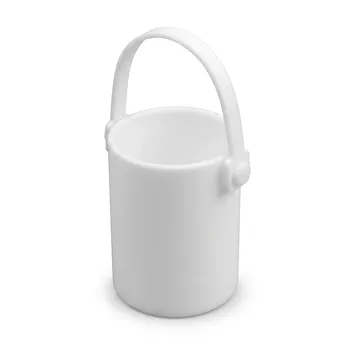
- PTFE Lined High Pressure Digestion Vessel 50ml High Temperature Hydrothermal Synthesis Tank
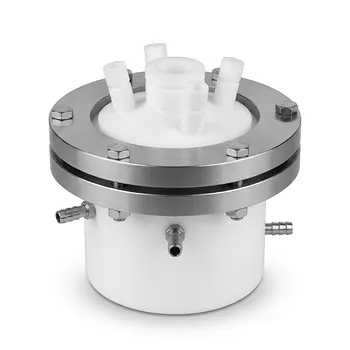
- High Temperature Corrosion Resistant Hydrothermal Synthesis Reactor with TFM Inner Liner and Straight Cylinder Design
- Custom TFM Reaction Vessel with Stainless Steel Jacket and PTFE Inner Cup for High Corrosion Resistance
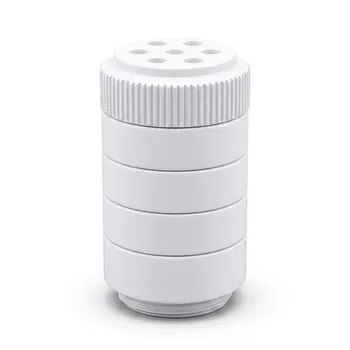
- High Purity PTFE Microwave Digestion Vessel Replacement Liner for Acid Sample Preparation and Trace Analysis
- High Pressure Custom TFM Reactor Stainless Steel Outer Vessel PTFE Inner Cup for Corrosive Synthesis
People Also Ask
- What are the benefits of using a PTFE-lined vessel for carbon-sulfur cathode treatment? Maximize Purity & Performance
- Why are PTFE-lined pressure digestion vessels required for the preparation of Ag/CeO2 catalysts? Purity & Performance
- What is the function of high-pressure PTFE digestion vessels in mineral analysis? Optimize Sample Mineralization
- What safety features are typically incorporated into high-pressure PTFE digestion vessel designs? Ensure Lab Safety
- What is the function of PTFE lined high-pressure vessels in g-C3N4 synthesis? Achieve High-Purity Material Growth