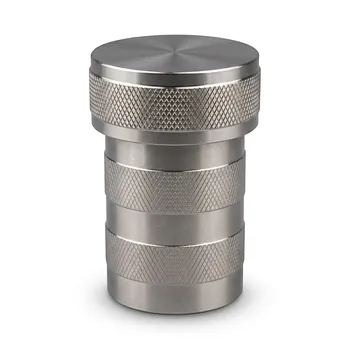
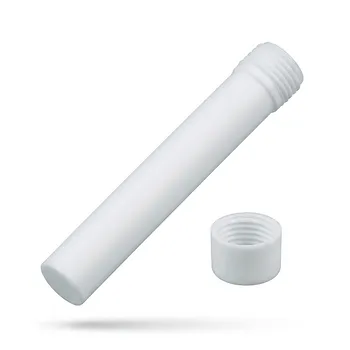
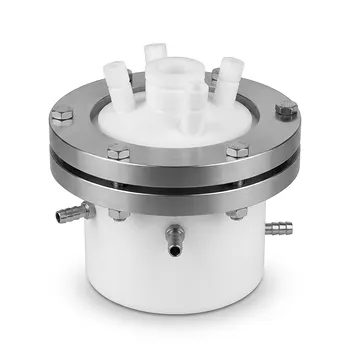
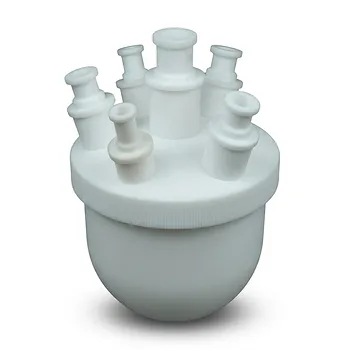
A PTFE-lined hydrothermal autoclave is the standard for synthesizing alpha-MnO2 nanowire arrays because it provides a chemically inert, pressurized environment required for directional crystallization at elevated temperatures. Specifically, the Polytetrafluoroethylene (PTFE) liner protects the stainless steel reactor from corrosive precursors like potassium permanganate and acidic additives, while the sealed vessel generates the autogenous pressure necessary to drive the formation of the specific alpha-phase tunnel structure.
Core Takeaway: The PTFE liner acts as a critical barrier that ensures chemical purity and structural integrity by preventing metal contamination and resisting corrosion during the high-pressure, 150°C hydrothermal growth process.
Facilitating High-Pressure Directional Crystallization
Achieving the Necessary Thermal Environment
Hydrothermal synthesis typically requires temperatures around 150°C, which is well above the boiling point of water at standard pressure. The autoclave allows the precursor solution to reach these temperatures by generating autogenous pressure within a sealed environment.
Driving Anisotropic Nanowire Growth
This high-pressure environment increases the reactivity of precursor molecules and promotes anisotropic growth. Without the constant, airtight pressure provided by the autoclave, the manganese dioxide would not reliably form the elongated, 1D nanowire morphology or the desired tunnel structure.
Chemical Inertness and Corrosion Resistance
Protecting the Reactor Body
The synthesis of alpha-MnO2 often involves strong oxidizing agents like potassium permanganate (KMnO4) and acidic components like acetic acid. The PTFE liner offers exceptional chemical resistance, preventing these harsh chemicals from attacking and corroding the stainless steel walls of the autoclave.
Preventing Metal Ion Contamination
If the reaction solution were to contact the metal reactor directly, it would leach metal impurities (such as iron, nickel, or chromium) into the product. The PTFE liner ensures the high purity of the alpha-MnO2 nanowires, which is vital for maintaining their electrochemical or catalytic properties.
Enhancing Product Recovery
PTFE possesses an extremely low surface energy, which gives it non-stick properties. This prevents the precipitated nanowires from adhering to the vessel walls, ensuring a high recovery rate and easier cleaning of the equipment.
Understanding the Trade-offs and Limitations
Temperature Constraints of PTFE
While PTFE is highly versatile, it has a functional upper temperature limit, typically around 200°C to 240°C. Exceeding these temperatures can cause the liner to soften or undergo thermal deformation, compromising the seal and potentially leading to reactor failure.
Thermal Expansion Mismatch
PTFE has a much higher coefficient of thermal expansion than the stainless steel shell surrounding it. Rapid heating or cooling can cause the liner to warp or crack, which is why controlled, gradual temperature changes are essential for maintaining the longevity of the equipment.
Pressure Limitations
The autoclave is a pressure vessel, and the thickness of the PTFE liner reduces the available internal volume. Users must strictly adhere to filling ratios (usually 60-80%) to prevent over-pressurization, which could lead to a catastrophic release of the internal contents.
How to Apply This to Your Project
Selecting the Right Configuration
When preparing alpha-MnO2 nanowire arrays, your equipment choice should be dictated by your specific reaction conditions and purity requirements.
- If your primary focus is high structural purity: Ensure the PTFE liner is pristine and free of scratches, as even minor surface defects can trap contaminants from previous reactions.
- If your primary focus is long-term stability (e.g., 12+ hour reactions): Verify that the autoclave’s outer stainless steel shell is rated for the specific pressures generated at 150°C to prevent seal leakage.
- If your primary focus is maximizing yield: Use the anti-adhesion properties of the PTFE liner by employing ultrasonic cleaning after the synthesis to recover any material loosely settled at the bottom.
By utilizing the unique protective and pressurized environment of a PTFE-lined autoclave, you can achieve the precise chemical and structural conditions necessary for high-quality alpha-MnO2 nanowire growth.
Summary Table:
| Feature | Role in alpha-MnO2 Synthesis | Practical Benefit |
|---|---|---|
| Chemical Inertness | Resists KMnO4 and acidic precursors | Eliminates metal ion contamination |
| Pressure Retention | Maintains autogenous pressure | Drives anisotropic 1D nanowire growth |
| Non-Stick Liner | Low surface energy (PTFE) | Ensures high product recovery & easy cleaning |
| Thermal Stability | Operates reliably at 150°C - 200°C | Enables stable tunnel structure formation |
Unlock Precision in Your Research with KINTEK Fluoropolymer Solutions
Achieving the perfect alpha-MnO2 nanowire array requires more than just chemistry—it requires a contamination-free, high-performance reaction environment. KINTEK is your premier partner for high-performance fluoropolymer laboratory supplies, specializing in PTFE and PFA materials that stand up to the most demanding hydrothermal conditions.
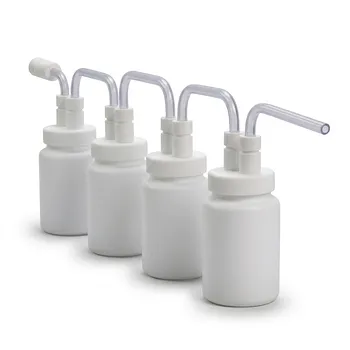
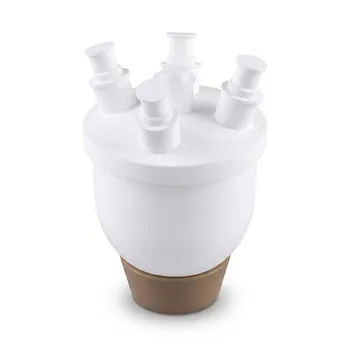
Whether you need everyday basic labware like beakers, crucibles, and reagent bottles, or advanced reaction apparatus such as hydrothermal synthesis liners, microwave digestion vessels, and custom electrochemical cells, KINTEK has you covered. We offer everything from comprehensive fluid transfer components (tubing, valves, fittings) to specialized sample prep tools.
With our end-to-end custom CNC fabrication capabilities, we deliver everything from high-volume standard orders to complex, bespoke machined parts designed for your unique laboratory setup. Experience the KINTEK advantage in purity and durability—contact us today to upgrade your laboratory equipment!
References
- Hongchao Ma, Xinghui Liu. Fabricating α‐MnO<sub>2</sub>@NiMoO<sub>4</sub> Heterostructure Architecture With Superior Photoelectrocatalytic Water Purification. DOI: 10.1002/ece2.70003
This article is also based on technical information from Kintek Knowledge Base .
Related Products
- PTFE Lined High Pressure Digestion Vessel 50ml High Temperature Hydrothermal Synthesis Tank
- High Temperature Corrosion Resistant Hydrothermal Synthesis Reactor with TFM Inner Liner and Straight Cylinder Design
- Custom TFM Reaction Vessel with Stainless Steel Jacket and PTFE Inner Cup for High Corrosion Resistance
- High Pressure Custom TFM Reactor Stainless Steel Outer Vessel PTFE Inner Cup for Corrosive Synthesis
- High Purity TFM Microwave Digestion Vessels PTFE Acid Evaporation Liners Domestic GT-400 Equivalent Laboratory Reaction Containers
People Also Ask
- What are the benefits of using a PTFE-lined vessel for carbon-sulfur cathode treatment? Maximize Purity & Performance
- Why are PTFE-lined pressure digestion vessels required for the preparation of Ag/CeO2 catalysts? Purity & Performance
- What is the function of high-pressure PTFE digestion vessels in mineral analysis? Optimize Sample Mineralization
- What safety features are typically incorporated into high-pressure PTFE digestion vessel designs? Ensure Lab Safety
- What is the function of PTFE lined high-pressure vessels in g-C3N4 synthesis? Achieve High-Purity Material Growth