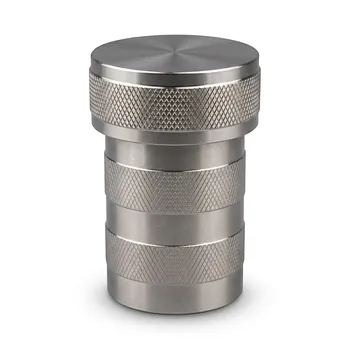
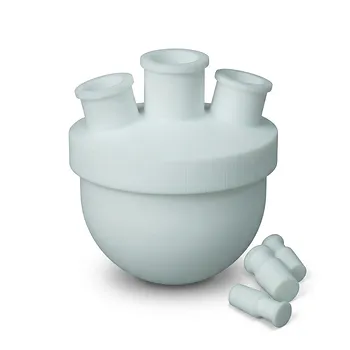
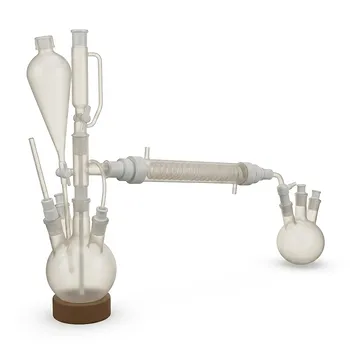
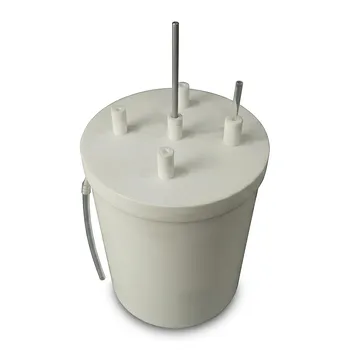
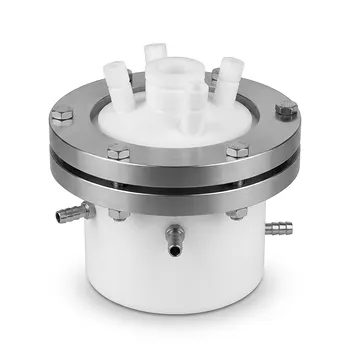
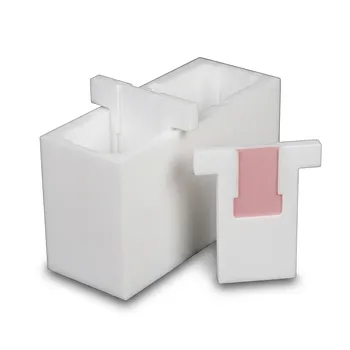
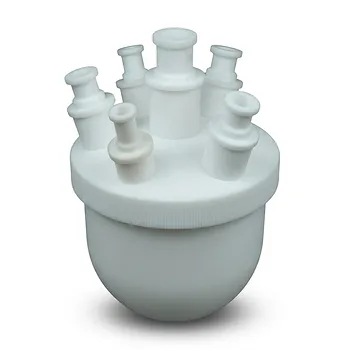
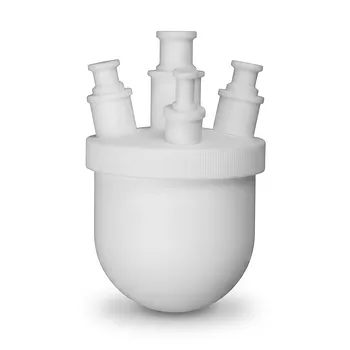
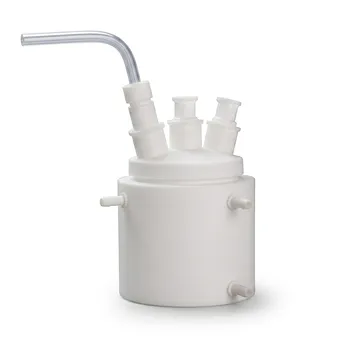
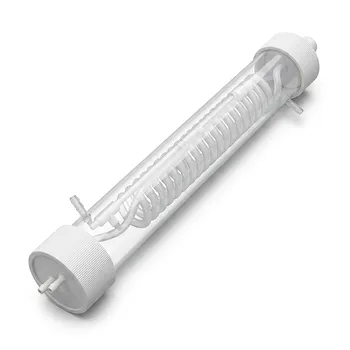
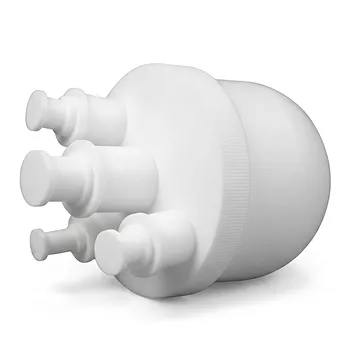
The requirement for a high-pressure hydrothermal synthesis reactor stems from the need to maintain a stable liquid-phase environment at temperatures significantly above the atmospheric boiling point of the solvent system. This specialized vessel allows the gamma-valerolactone (GVL), water, and sulfuric acid mixture to reach temperatures between 140°C and 160°C while remaining under pressure. This specific thermodynamic state is necessary to force the solvent into the dense cellular structure of bamboo, enabling the chemical breakdown of its core components.
Core Takeaway: A high-pressure reactor is the only way to achieve the precise combination of heat and pressure required to drive GVL into bamboo cell walls. This environment accelerates the hydrolysis of hemicellulose and the dissolution of lignin, which are otherwise inaccessible at lower temperatures and pressures.
Overcoming the Physical Defenses of Bamboo
Driving Solvent into the Cell Wall
Bamboo is a highly resilient lignocellulosic material with a dense, hydrophobic structure. The high-pressure environment within the reactor acts as a mechanical force, driving the GVL/water solvent deep into the micro-pores of the bamboo cell walls.
Achieving Critical Temperature Thresholds
Effective fractionation of biomass requires temperatures between 140°C and 160°C to break the recalcitrant bonds of the lignin-carbohydrate complex. A sealed hydrothermal reactor prevents the solvent from evaporating, ensuring that the mixture stays in a liquid state to interact chemically with the bamboo.
Promoting Uniform Mass Transfer
Industrial-grade reactors are equipped with programmed stirring and heating capabilities. This ensures that the temperature and acid catalyst concentration remain uniform throughout the bamboo substrate, preventing localized under-processing or over-degradation.
The Chemistry of Fractionation in GVL Systems
Accelerating Hemicellulose Hydrolysis
In the presence of a sulfuric acid catalyst, the high-temperature water within the reactor initiates the hydrolytic cleavage of hemicellulose. This process transforms complex sugars into soluble monomers, which can then be separated from the solid cellulose.
Optimizing Lignin Dissolution
GVL is a powerful "green" solvent specifically chosen for its ability to dissolve lignin. Under high pressure, the solubility of lignin increases significantly, allowing it to be washed away from the cellulose fibers and leaving behind a high-purity solid residue.
Controlling Nucleation and Growth
Similar to the synthesis of inorganic materials like WO3, the hydrothermal environment facilitates the full dissolution of target solutes. This controlled environment ensures that the separation of components happens predictably and with high efficiency.
Understanding the Trade-offs and Challenges
Equipment Cost and Complexity
High-pressure reactors are industrial-grade vessels that require significant capital investment compared to atmospheric tanks. They must be manufactured from corrosion-resistant materials to withstand the combined effects of high temperature and sulfuric acid.
Safety and Operational Risks
Operating at high pressures and temperatures introduces inherent safety risks that require rigorous monitoring. Any failure in the pressure seals or temperature controls can lead to dangerous rapid decompression or chemical exposure.
Batch Processing Limitations
Most hydrothermal synthesis reactors operate on a batch basis, which can limit throughput compared to continuous processing methods. The time required for heating, cooling, and pressurization cycles must be carefully managed to maintain economic viability.
How to Apply This to Your Project
Recommendations for Bamboo Pretreatment
- If your primary focus is maximizing cellulose purity: Ensure the reactor maintains a consistent temperature of at least 150°C to ensure the near-complete removal of lignin.
- If your primary focus is minimizing energy costs: Optimize the GVL-to-water ratio to lower the required pressure while still achieving sufficient cell wall penetration.
- If your primary focus is solvent recovery: Use a reactor system with integrated flash cooling to capture GVL vapors efficiently after the reaction is complete.
The use of a high-pressure reactor transforms bamboo from a rigid structural material into a versatile chemical feedstock by mastering the physics of penetration and the chemistry of dissolution.
Summary Table:
| Feature | Requirement | Role in Bamboo Pretreatment |
|---|---|---|
| Temperature | 140°C - 160°C | Breaks recalcitrant lignin-carbohydrate bonds. |
| Pressure | High-Pressure Seal | Maintains solvent in liquid phase above boiling point. |
| Solvent System | GVL / Water / Acid | Penetrates dense cell walls to dissolve lignin/hemicellulose. |
| Equipment | Corrosion-Resistant Vessel | Withstands sulfuric acid and high thermal stress. |
Elevate Your Biomass Research with KINTEK
Achieving precise fractionation in aggressive GVL/water systems requires equipment that never fails under pressure. KINTEK specializes in high-performance fluoropolymer solutions, offering an exhaustive range of laboratory supplies crafted from PTFE and PFA.
Whether you need everyday essentials like beakers, digestion tubes, and reagent bottles, or advanced reaction apparatus such as hydrothermal synthesis liners, microwave digestion vessels, and custom electrochemical cells, we deliver the chemical inertness your research demands. Our end-to-end custom CNC fabrication allows us to produce complex non-standard machined parts and bespoke laboratory setups tailored to your specific biomass pretreatment needs.
Ready to optimize your lab's efficiency? Contact our experts today to discuss how our high-purity fluoropolymer tools and custom engineering can support your next breakthrough.
References
- Yawei Zhan, Zhiqiang Li. Enhancing the potential production of bioethanol with bamboo by γ-valerolactone/water pretreatment. DOI: 10.1039/d2ra02421g
This article is also based on technical information from Kintek Knowledge Base .
Related Products
- High Temperature Corrosion Resistant Hydrothermal Synthesis Reactor with TFM Inner Liner and Straight Cylinder Design
- High Pressure Custom TFM Reactor Stainless Steel Outer Vessel PTFE Inner Cup for Corrosive Synthesis
- PTFE Lined High Pressure Digestion Vessel 50ml High Temperature Hydrothermal Synthesis Tank
- High Temperature PTFE Reaction Flask 1000ml Single Neck Round and Flat Bottom Laboratory Bottle
- Custom TFM Reaction Vessel with Stainless Steel Jacket and PTFE Inner Cup for High Corrosion Resistance
People Also Ask
- What is the role of a corrosion-resistant reactor in the synthesis of lignin-based carbon dots? Ensure Maximum Purity
- What are the technical advantages of using hydrothermal synthesis reactors for advanced electronic & optical nanomaterials?
- How does a hydrothermal synthesis reactor facilitate the production of crystalline materials with tailored morphologies? Precision Crystal Growth
- Why is the sealing reliability of a hydrothermal synthesis reactor critical for 24-hour cycles? Ensure Nano-Precision
- What role do hydrothermal synthesis reactors play in CQD preparation? Achieve High-Purity Nanomaterial Synthesis