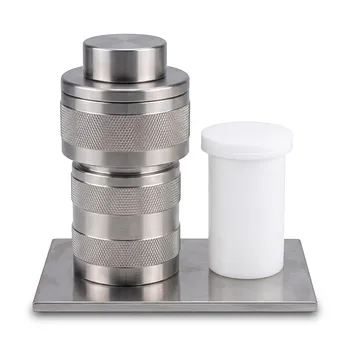
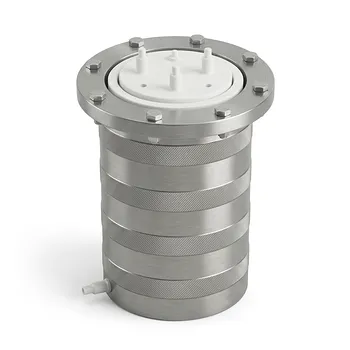
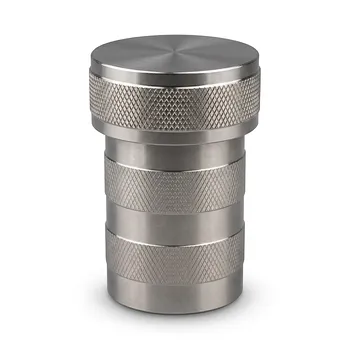
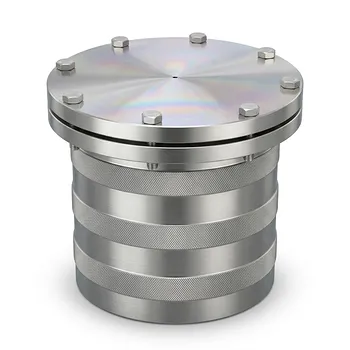
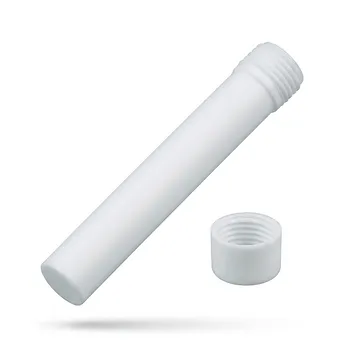
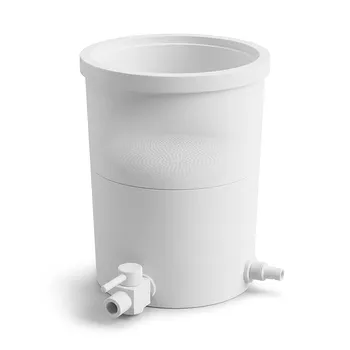
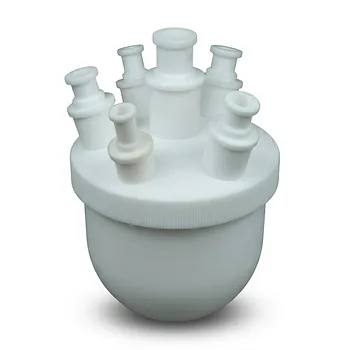
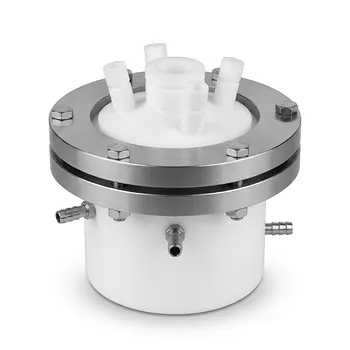
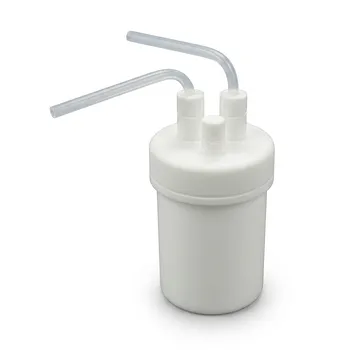
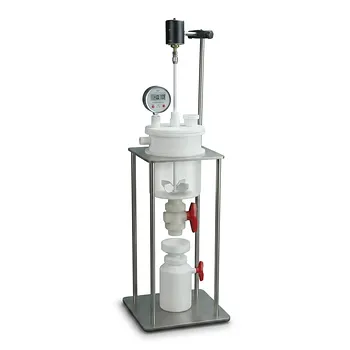
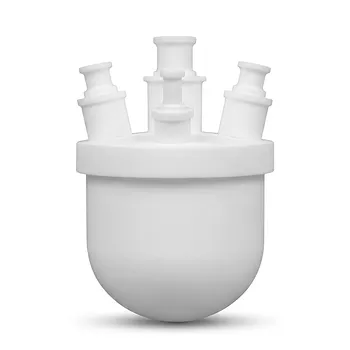
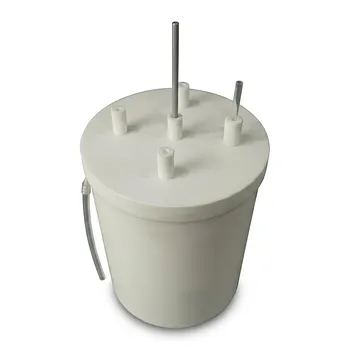
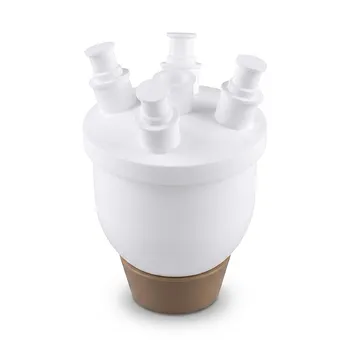
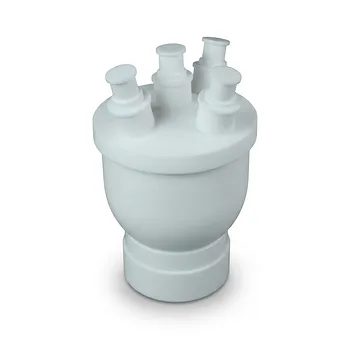
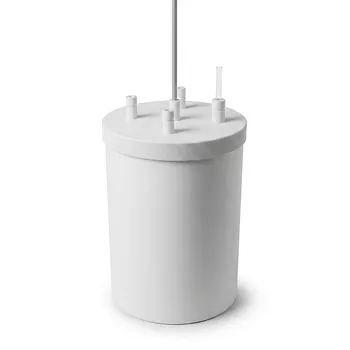
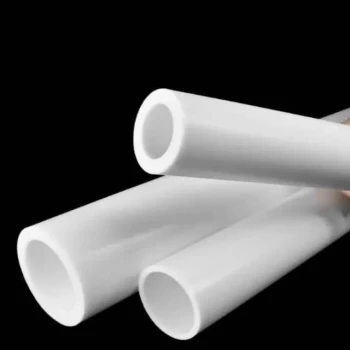
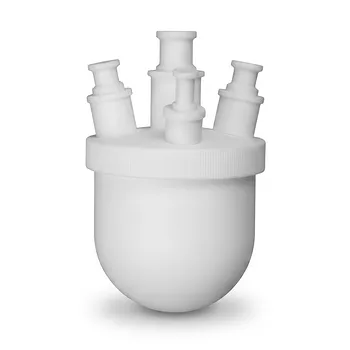
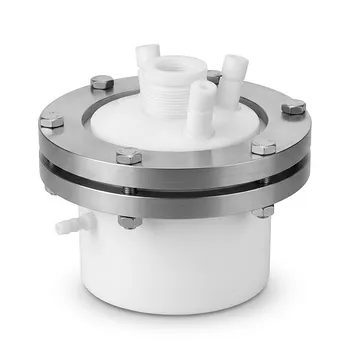
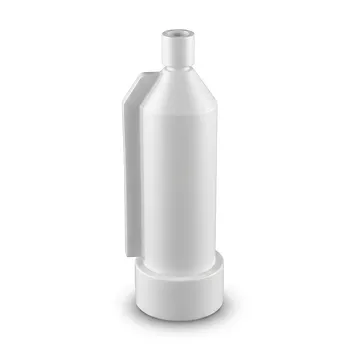
The selection of Polytetrafluoroethylene (PTFE) liners is driven by their extreme chemical passivity and thermal resilience. These liners provide a critical barrier that prevents aggressive reactants from corroding the outer steel autoclave while simultaneously stopping metal ions from leaching into the reaction. This dual-action protection ensures both the physical safety of the high-pressure equipment and the absolute chemical purity of the resulting nanocomposites.
Core Takeaway: PTFE liners serve as the primary containment layer in hydrothermal synthesis, isolating the reaction from the metal vessel to prevent contamination and equipment failure. Their unique combination of chemical inertness and non-stick properties is essential for producing high-purity nanomaterials with consistent structural integrity.
Maintaining High Chemical Purity
Prevention of Metal Ion Leaching
In hydrothermal synthesis, the presence of stray metal ions from the reactor walls can drastically alter the properties of the final nanocomposite. The PTFE liner effectively isolates the reaction medium from the stainless steel autoclave body, ensuring that ions like iron, chromium, or nickel do not contaminate the sample.
Resistance to Aggressive Solvents
Many nanocomposite synthesis protocols require the use of strong acids (such as hydrochloric acid) or alkalis (such as sodium hydroxide). PTFE’s exceptional chemical inertness allows it to remain stable in these aggressive environments, where a standard metal vessel would rapidly degrade.
High-Purity Reaction Interface
By providing a non-reactive surface, PTFE ensures that the nucleation and growth of nanocrystals occur in a controlled environment. This is particularly critical for sensitive materials like Titanium Dioxide (TiO2) or hydroxyapatite, where chemical purity directly dictates photocatalytic or biological performance.
Integrity Under Extreme Conditions
Pressure-Seal Containment
Hydrothermal synthesis relies on elevated pressures to promote molecular interaction and phase compatibility. The PTFE liner acts as a sealed internal container that maintains a constant-pressure environment, which is necessary for the successful synthesis of complex polymer phases and nanocomposites.
Thermal Stability
While PTFE has a lower melting point than metals, it maintains its structural integrity at the temperatures typical for hydrothermal reactions, often ranging from 120°C to 180°C. This thermal window is sufficient for most nanoparticle growth processes while ensuring the liner does not react with the precursor solutions.
Protection of the External Autoclave
The outer body of a hydrothermal reactor is typically made of high-strength stainless steel to withstand internal pressure. The PTFE liner acts as a sacrificial and protective shield, preventing the expensive metal shell from being pitted or structurally weakened by corrosive chemical vapors.
Enhancing Product Yield and Recovery
Non-Stick Surface Properties
Nanocomposites, particularly those involving carbon or polymers, often exhibit high viscosity or a tendency to "scale" on reactor walls. The excellent mold-release properties of PTFE prevent these particles from adhering to the liner, significantly increasing the total product recovery.
Easy Collection of Nanopowders
Synthesized nanopowders and single-crystal materials can be easily collected without the need for aggressive scraping, which could introduce contaminants. This low surface energy ensures that even high-viscosity polymer products remain easy to handle after the reaction is complete.
Facilitating High-Viscosity Reactions
In the preparation of polymer-based nanocomposites, the PTFE surface promotes better molecular interaction and compatibility between different phases. The non-stick nature of the liner ensures that the reaction remains focused on the precursors rather than interactions with the vessel wall.
Understanding the Technical Trade-offs
Temperature Limitations
The most significant limitation of PTFE is its temperature ceiling; it typically cannot be used above 250°C without risking deformation or the release of toxic fumes. For synthesis requiring extreme heat, alternative liners like PFA (Perfluoroalkoxy) or specialized gold/platinum linings may be required.
Physical Deformation (Creep)
Under sustained high pressure and temperature, PTFE is subject to "cold flow" or creep, where the plastic begins to slowly deform. Users must regularly inspect liners for thinning or warping to ensure the seal remains airtight and the metal vessel remains protected.
Pressure Sensitivity
While PTFE handles pressure well when supported by a steel shell, it is not a pressure vessel on its own. The safety of the operation depends entirely on the structural integrity of the outer autoclave, making it vital to ensure no corrosive gases bypass the liner.
How to Apply This to Your Project
When configuring a hydrothermal synthesis reactor, your choice of liner should be dictated by your specific material requirements and safety protocols.
- If your primary focus is High-Purity Nanocrystals: Utilize a high-purity PTFE liner to eliminate any possibility of metal ion interference from the autoclave walls.
- If your primary focus is Corrosive Acid/Base Synthesis: Ensure the PTFE liner is properly seated with a matching lid to prevent corrosive vapors from reaching and damaging the stainless steel shell.
- If your primary focus is High-Yield Nanoparticle Recovery: Leverage the non-stick properties of PTFE to maximize the collection of materials that tend to scale or adhere to surfaces.
Selecting the right PTFE liner is not merely about chemical resistance, but about creating a stable, isolated environment that guarantees the repeatability and quality of your nanocomposite synthesis.
Summary Table:
| Feature | Key Benefit | Impact on Synthesis |
|---|---|---|
| Chemical Inertness | Prevents metal ion leaching | Ensures absolute chemical purity of nanomaterials |
| Corrosion Resistance | Protects the steel autoclave | Allows safe use of strong acids and alkalis |
| Non-Stick Surface | High product recovery | Easy collection of high-viscosity or scaling powders |
| Thermal Resilience | Stability up to 250°C | Reliable performance for standard nanoparticle growth |
| Low Surface Energy | Controlled nucleation | Facilitates consistent nanocrystal structural integrity |
Elevate Your Research with KINTEK’s High-Performance Fluoropolymers
Maximize the purity and safety of your hydrothermal synthesis with KINTEK, your expert partner in high-performance PTFE and PFA laboratory solutions. Whether you require everyday basics like beakers and reagent bottles or specialized components such as high-purity hydrothermal synthesis liners and microwave digestion vessels, we provide the chemical resilience your experiments demand.
Our capabilities extend from high-volume general consumables (O-rings, gaskets, and stirring bars) to bespoke, CNC-machined reactor components and advanced electrochemical cells. By maintaining an exclusive focus on fluoropolymer excellence, KINTEK ensures your equipment withstands the most aggressive environments while preventing contamination.
Ready to optimize your lab setup? Contact us today to discuss your custom fabrication needs or to explore our comprehensive range of high-purity labware tailored for advanced material science.
References
- Maria Ulfa, Hadi Nur. Fuzzy logic-assisted development of high-performance mesoporous iron-carbon nanocomposites for environmental applications. DOI: 10.4491/eer.2025.506
This article is also based on technical information from Kintek Knowledge Base .
Related Products
- PTFE Lined High Pressure Digestion Vessel 50ml High Temperature Hydrothermal Synthesis Tank
- High Pressure Custom TFM Reactor Stainless Steel Outer Vessel PTFE Inner Cup for Corrosive Synthesis
- High Temperature Corrosion Resistant Hydrothermal Synthesis Reactor with TFM Inner Liner and Straight Cylinder Design
- Custom TFM Reaction Vessel with Stainless Steel Jacket and PTFE Inner Cup for High Corrosion Resistance
- High Purity TFM Microwave Digestion Vessels PTFE Acid Evaporation Liners Domestic GT-400 Equivalent Laboratory Reaction Containers
People Also Ask
- What are the benefits of using a PTFE-lined vessel for carbon-sulfur cathode treatment? Maximize Purity & Performance
- Why are PTFE-lined pressure digestion vessels required for the preparation of Ag/CeO2 catalysts? Purity & Performance
- What safety features are typically incorporated into high-pressure PTFE digestion vessel designs? Ensure Lab Safety
- What is the function of high-pressure PTFE digestion vessels in mineral analysis? Optimize Sample Mineralization
- What is the function of PTFE lined high-pressure vessels in g-C3N4 synthesis? Achieve High-Purity Material Growth