FFKM offers higher chemical tolerance and thermal stability because its polymer backbone is fully fluorinated, leaving no hydrogen atoms vulnerable to chemical attack or heat-driven degradation. Typically built from tetrafluoroethylene (TFE) and perfluoroalkyl vinyl ether monomers, FFKM combines the chemical inertness associated with perfluorinated polymers such as PFA with the elastic sealing behavior required from an elastomer. This makes it more reliable than standard hydrogen-containing fluoroelastomers (FKM) in aggressive chemicals, elevated temperatures, and contamination-sensitive sealing applications.
The decisive advantage is molecular stability: FFKM’s fully fluorinated backbone resists dehydrofluorination, oxidation, solvent attack, and thermal aging, while its elastomeric network maintains contact pressure and limits leakage.
Why FFKM Resists More Chemicals
Fluorine Protects the Polymer Backbone
The carbon-fluorine bond is highly stable and gives FFKM a chemically resistant molecular structure. Because the main chain contains no hydrogen atoms, many reactions that can attack conventional or partially fluorinated elastomers are less likely to occur.
This is especially important when seals contact strong acids, alkalis, oxidizers, ketones, ethers, esters, fuels, and aromatic or chlorinated solvents.
FFKM Extends Perfluorinated Polymer Chemistry
FFKM uses TFE copolymerized with perfluoroalkyl vinyl ether monomers, commonly present at approximately 25–40 mol% in the material described by the primary reference. The resulting structure closely resembles highly fluorinated polymers such as PFA, but retains cross-linking and elasticity so it can function as an O-ring, gasket, or other compliant seal.
Standard FKM also contains substantial fluorination, but its hydrogen-containing segments leave it more vulnerable to chemical and thermal degradation.
Chemical Resistance Preserves Sealing Performance
Chemical resistance is not only about whether the seal visibly dissolves. A seal can fail after swelling, softening, embrittlement, loss of elasticity, compression set, or excessive creep.
FFKM is designed to retain elasticity, low compression set, and mechanical integrity across a broader range of aggressive media. That helps it maintain contact pressure during long static exposures and, in suitable compounds, under dynamic sealing conditions.
Why FFKM Handles Higher Temperatures
It Avoids Dehydrofluorination
At elevated temperatures, conventional hydrogen-containing FKMs can undergo dehydrofluorination, particularly in the presence of metal oxides or other catalytic influences. This creates unsaturation in the polymer chain and progressively reduces elasticity and sealing reliability.
FFKM lacks the hydrogen required for this degradation pathway. Its fully fluorinated backbone therefore remains stable at temperatures where many standard FKMs begin to age more rapidly.
Heat Aging Does Not Cause the Same Embrittlement
Standard FKM can become harder and more brittle after prolonged high-temperature exposure. FFKM compounds generally retain their elastomeric behavior more effectively and may become more elastic rather than embrittled during heat aging.
The actual result depends on the compound, cure system, pressure, exposure time, and chemical environment. Material selection should therefore use the manufacturer’s compound-specific temperature and compatibility data rather than a generic FFKM rating.
The Service-Temperature Difference Is Significant
Typical long-term continuous service limits for standard VDF-based FKMs are approximately 215°C (419°F). Many FFKM compounds are designed for continuous service above 300°C, with commonly cited limits around 315–316°C (599–600°F); some product specifications may state higher or lower values.
This difference matters in high-temperature reaction vessels, semiconductor equipment, chemical processing systems, and other apparatus where thermal exposure is continuous rather than brief.
Why FFKM Suits High-Purity Sealing
Low Outgassing Reduces Contamination Risk
High-purity equipment can be affected by trace vapors, extractables, and particulate contamination even when the seal does not leak. FFKM components are valued for their very low outgassing characteristics, which helps protect sensitive fluids, vacuum environments, and analytical processes.
This property is relevant to semiconductor manufacturing, pharmaceutical processing, laboratory apparatus, and trace-analysis systems.
Formulation and Cure Method Matter
A chemically cured FFKM compound may contain cure-system residues or other formulation components. For contamination-sensitive applications, the seal must be specified by its complete formulation, cleaning process, certification, and intended service environment.
Radiation-cured FFKM can eliminate chemical additives, coagents, and metal-oxide activators from the cross-linking process. That can produce an especially clean material for high-purity laboratory and analytical equipment, although these products may have a lower continuous operating limit, often around 150°C.
Compliance Is Application-Specific
Some FFKM formulations can meet FDA requirements, but FDA compliance is not an automatic property of every FFKM seal. The required grade, extractables profile, cleaning procedure, and certification must match the application and regulatory obligation.
For high-purity service, specify both material performance and contamination control requirements.
Understanding the Trade-offs
FFKM Costs More Than Standard FKM
The specialized monomers, processing requirements, and performance envelope make FFKM substantially more expensive than standard FKM. Its value is highest when seal failure would cause contamination, downtime, safety risk, or expensive equipment damage.
It is usually excessive for moderate-temperature service with chemically compatible fluids.
Elasticity and Mechanical Behavior Still Vary
FFKM is an elastomer, not an indestructible seal. Different compounds vary in hardness, compression set, modulus, creep resistance, dynamic performance, and resistance to rapid gas decompression.
A chemically compatible compound can still fail if the gland design, squeeze, pressure, motion, surface finish, or installation conditions are unsuitable.
Temperature Ratings Are Not Universal
A maximum temperature listed for dry heat may not apply to the same seal exposed to pressure, steam, plasma, oxidizers, or a specific process chemical. Chemical exposure can reduce the practical temperature limit, while intermittent exposure may permit conditions that continuous service does not.
Use compound-specific operating envelopes and test data whenever the application approaches the material’s limits.
Purity Requirements Can Narrow the Options
The cleanest FFKM manufacturing or curing process may impose a lower temperature rating or different mechanical properties. Selecting the highest-purity option without checking its thermal and pressure limits can create a different failure mode.
The correct choice balances chemical resistance, temperature, purity, pressure, motion, and regulatory requirements.
How to Apply This to Your Project
The material should be selected from the full operating environment rather than from the FFKM label alone.
- If your primary focus is maximum chemical resistance: Choose a compound validated against the exact process media, including concentration, temperature, exposure time, and pressure.
- If your primary focus is high-temperature operation: Select a compound with a manufacturer-confirmed continuous rating above the real operating temperature and verify its heat-aging and compression-set data.
- If your primary focus is high-purity or vacuum service: Specify low outgassing, extractables limits, cleaning requirements, and the appropriate regulatory documentation.
- If your primary focus is contamination elimination: Investigate radiation-cured or specially cleaned FFKM, while confirming that its operating temperature and mechanical limits fit the equipment.
- If your primary focus is cost control: Use standard FKM where the temperature and chemical exposure are demonstrably within its validated operating range, reserving FFKM for conditions that justify its premium.
FFKM is the preferred high-purity sealing material when fully fluorinated chemistry is needed to preserve both material integrity and sealing force under extreme chemical and thermal conditions.
Summary Table:
| Property | FFKM | Standard FKM |
|---|---|---|
| Chemical Resistance | Excellent, due to fully fluorinated backbone | Good, but hydrogen atoms vulnerable |
| Thermal Stability | Continuous service above 300°C | Typically ≤215°C |
| Outgassing | Very low | Moderate |
| Cost | High | Lower |
| Applications | High-purity, aggressive chemicals, high temperatures | General-purpose sealing |
Ensure your high-purity processes run leak-free and contamination-free with FFKM seals. At KINTEK, we specialize in high-performance PTFE and PFA labware and custom components, backed by precision CNC machining. Whether you need standard or custom seals, our expertise in fluoropolymers ensures you get the right solution for your extreme conditions. Contact us today to discuss your requirements and benefit from our tailored support and rapid supply.
Related Products
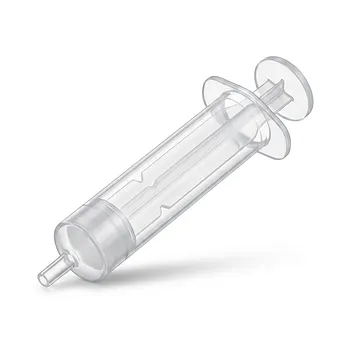
- Corrosion Resistant PFA Syringe Translucent Visual Fluoropolymer Labware 10ml Chemical Handling Tool
- Corrosion Resistant High Purity PFA Valve and Weldable Transparent Tubing for Semiconductor Fluid Transfer
- High Purity PFA Coiled Tubing Custom PTFE Machining PFA Welding and Precision Bending Solutions
- Custom PFA Tubing 1/4 Inch High Purity Corrosion Resistant Fluoropolymer Tube with Welding and Machining Services
- High Purity PFA Chromatography Column with Collection Bottle Corrosion Resistant Fluoropolymer Filtration System for Trace Analysis
People Also Ask
- How does the incorporation of comonomers such as perfluoropropyl vinyl ether (PPVE) alter the molecular structure and processing characteristics of TFE-based fluoropolymers like PFA compared to standard PTFE?
- Why do PFA fluoropolymer laboratory products offer different melt-processability and structural toughness compared to standard PTFE labware?
- PFA vs FEP: Which is Better for High-Temperature Lab Equipment?
- How does the removal of C8 (APFO) processing aids impact the chemical purity of solid fluoropolymer laboratory tools and fluid handling products? Discover the key benefits of C8-free PTFE, PFA, and FEP for trace analysis and high-purity applications.
- How does increasing fluorine content affect the physical and chemical performance of fluoropolymer laboratory supplies and components?