Conventional Cu-ATRP systems fail in main-chain fluoropolymer synthesis because their copper halide/ligand complexes cannot efficiently activate the strong carbon–iodine bonds that define fluorinated dormant chain ends, such as –CF2–CH2–I. Amine-based ligands can also react with perfluoroalkyl iodide initiators, forming unwanted ammonium salts or charge-transfer complexes. Controlled synthesis therefore requires a fluorine-compatible, photochemically active catalyst system, visible-light activation at mild temperature, and chemically inert equipment that prevents solvent, reagent, and catalyst contamination.
The central requirement is compatibility across the entire system: catalyst chemistry must support reversible iodine transfer from fluorinated chain ends, while the solvent, initiator, reactor, tubing, and valves must remain inert toward aggressive fluorinated and halogenated reagents.
Why Conventional Cu-ATRP Breaks Down
Copper complexes cannot efficiently activate fluorinated chain ends
Conventional Cu-ATRP depends on reversible activation of a dormant carbon–halogen bond by a copper(I)/copper(II) redox couple. In fluoropolymer synthesis, the relevant carbon–iodine bonds are strongly influenced by adjacent perfluorinated groups.
Copper halide/ligand complexes therefore do not efficiently abstract iodine from bonds such as –CF2–CH2–I or from strong perfluorinated carbon–iodine bonds. Without effective activation, the equilibrium between dormant and radical chain ends is poorly established, preventing the controlled radical growth required for predictable molecular weight and end-group fidelity.
Fluorinated initiators can deactivate the ligand environment
Many Cu-ATRP formulations rely on activating amine-based ligands. These ligands are not necessarily chemically innocent in the presence of perfluoroalkyl iodide initiators.
They may form ammonium salts or charge-transfer complexes, consuming or perturbing the initiator and changing the copper coordination environment. This introduces side reactions before the intended polymerization equilibrium can operate.
Conventional solvents may be incompatible
Fluorinated monomers, iodine-containing initiators, and growing fluoropolymer chains can be difficult to accommodate in ordinary organic solvents. Poor solubility, solvent degradation, swelling, or chemical attack can alter the reaction environment.
This is not merely a mixing problem. Solvent incompatibility can change catalyst speciation, limit mass transfer, and introduce impurities that interfere with iodine transfer and photochemical control.
What Controlled Photopolymerization Requires
A catalyst that supports fluorinated iodine transfer
The catalyst must be able to participate in reversible activation of fluorinated dormant chain ends under the actual reaction conditions. Photochemically active manganese carbonyl complexes, including Mn2(CO)10, provide a suitable alternative to conventional copper systems.
Under visible light, the manganese catalyst can support iodine-transfer-mediated radical generation without relying on the ineffective copper-mediated activation pathway.
Visible-light activation
The system must provide a controlled and appropriate light source for catalyst activation. Visible-light irradiation allows the radical concentration to be regulated through the catalyst’s photochemical response.
This creates a practical means of balancing chain activation and deactivation, which is essential for controlled radical polymerization rather than uncontrolled chain growth.
Mild operating temperatures
The described system operates at mild temperatures, including approximately 40 °C, with related fluorinated monomer processes demonstrated across a broader 0–100 °C range.
Moderate temperature helps preserve initiator and chain-end integrity while limiting unnecessary side reactions. It is particularly valuable when working with gaseous monomers such as vinylidene fluoride, or VDF.
A suitable iodine-transfer initiator
The initiator must provide a fluorinated carbon–iodine structure that participates effectively in the iodine transfer mechanism. Difunctional perfluorinated alkyl iodides can support chain growth from both ends and enable the synthesis of main-chain fluorinated polymers.
For VDF polymerization, this approach has produced PVDF with more than 95% total iodide chain-end functionality and less than 1% head-to-head defects, illustrating the level of structural control the system is designed to achieve.
Why Equipment Compatibility Matters
Fluoropolymer materials protect reaction purity
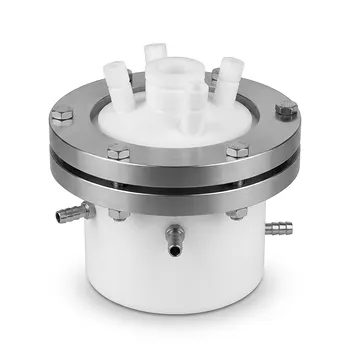
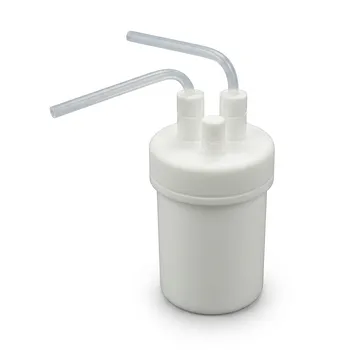
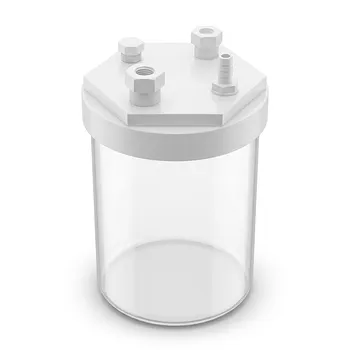
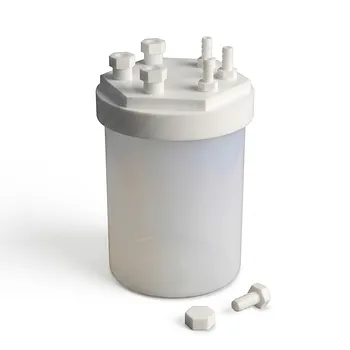
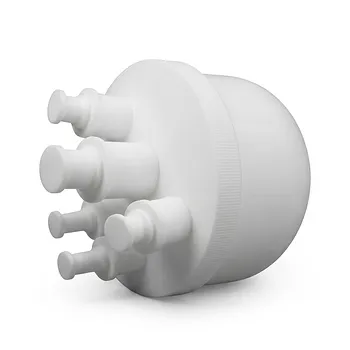
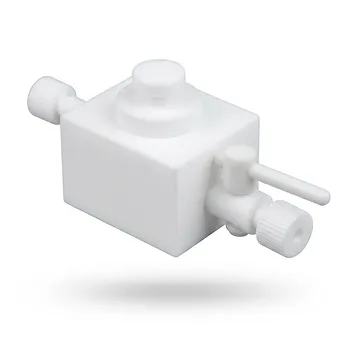
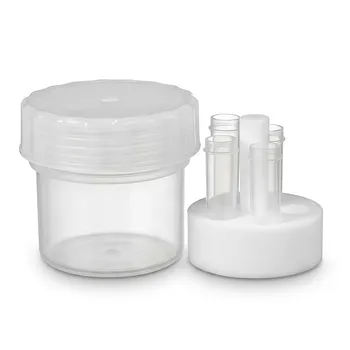
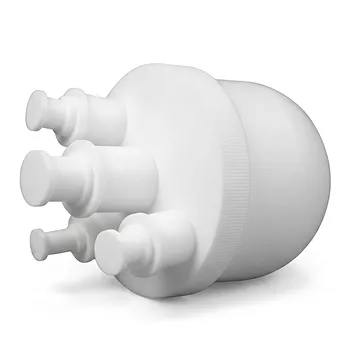
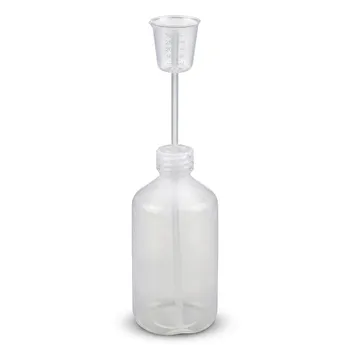
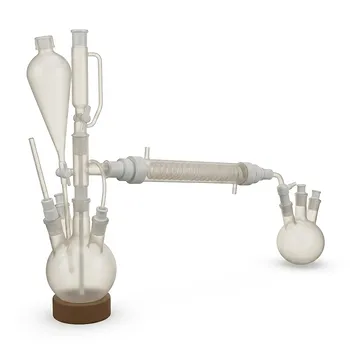
The reaction vessel and fluid-handling path must resist fluorinated monomers, halogenated initiators, aggressive solvents, and the catalyst environment. PTFE and PFA are appropriate materials for vessels, tubing, valves, and related components because they provide high chemical resistance.
Using these materials reduces the risk that the apparatus will release contaminants, degrade, swell, or react with the process chemicals.
Sealed systems support gaseous monomer handling
Gaseous monomers such as VDF require sealed reaction vessels and reliable transfer components. Leaks or permeation can change monomer concentration and compromise both safety and reproducibility.
A chemically inert sealed setup also helps maintain the intended stoichiometry and prevents atmospheric contamination during visible-light polymerization.
Low contamination is part of the chemistry
Trace contaminants can deactivate the catalyst, consume radicals, or interfere with iodine transfer. Apparatus selection is therefore a reaction-control issue, not simply an equipment specification.
High-purity PTFE/PFA components help preserve the intended catalyst, initiator, solvent, and monomer composition throughout the synthesis.
Understanding the Trade-offs
Photopolymerization needs controlled light exposure
Visible-light systems are sensitive to irradiation conditions, including light intensity, geometry, penetration, and exposure time. Uneven illumination can produce nonuniform radical generation within the reaction volume.
The reactor must therefore be designed so that light reaches the reaction mixture consistently without compromising sealing or chemical resistance.
Specialized equipment increases complexity
PTFE/PFA vessels, tubing, valves, and sealed transfer assemblies are more specialized than standard glassware and general-purpose solvent-handling equipment.
That added complexity is justified when purity, fluorine resistance, and reproducible chain-end control are critical, but it increases procurement, assembly, and maintenance requirements.
Controlled end groups do not eliminate process sensitivity
High iodide end-group functionality and low defect levels demonstrate effective control, but they do not make the process insensitive to formulation or operating conditions. Catalyst loading, initiator structure, light exposure, temperature, monomer handling, and material compatibility must remain aligned.
A strong result depends on the complete reaction system rather than on the manganese catalyst alone.
How to Apply This to Your Project
The correct design depends on whether the priority is mechanistic control, process robustness, or equipment compatibility.
- If your primary focus is controlled molecular architecture: Use a visible-light manganese carbonyl catalyst system with a fluorinated iodine-transfer initiator capable of reversible activation of dormant chain ends.
- If your primary focus is mild processing: Operate under controlled visible-light irradiation at a moderate temperature, such as approximately 40 °C, while maintaining stable monomer and initiator concentrations.
- If your primary focus is PVDF or other main-chain fluoropolymer synthesis: Select an iodine-transfer strategy suited to the fluorinated monomer and monitor chain-end functionality and structural defects.
- If your primary focus is purity and reproducibility: Use high-purity PTFE/PFA vessels, tubing, valves, and sealed transfer lines throughout the reaction and handling path.
- If your primary focus is preventing catalyst failure: Eliminate incompatible amine-ligand chemistry, unsuitable solvents, and apparatus materials that can react with or contaminate the fluorinated system.
Controlled fluoropolymer photopolymerization succeeds when catalyst activation, iodine-transfer chemistry, operating conditions, solvent choice, and equipment materials are designed as one chemically compatible system.
Summary Table:
| Challenge with Cu-ATRP | Requirement for Controlled Photopolymerization |
|---|---|
| Ineffective activation of C-I bonds | Photochemically active catalyst (e.g., Mn2(CO)10) |
| Ligand deactivation by fluorinated initiators | Fluorine-compatible catalyst system |
| Incompatible solvents | Chemically inert solvent system |
| Lack of light control | Visible-light activation at mild temperatures |
| Contamination from equipment | PTFE/PFA vessels, tubing, and valves |
Ensure your fluoropolymer synthesis succeeds with high-purity PTFE/PFA labware and custom equipment from KINTEK. Our products resist aggressive fluorinated reagents, prevent contamination, and support controlled photopolymerization. Contact us today to discuss your requirements and benefit from our expertise in fluoropolymer-compatible solutions. Get in touch with our team.
Related Products
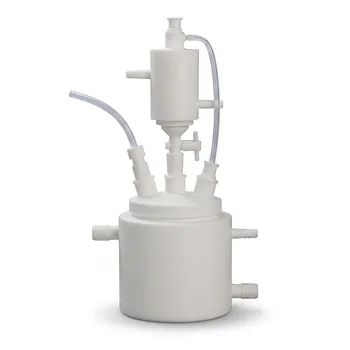
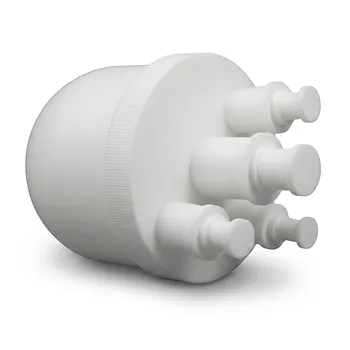
- Custom PTFE Reaction System with Hose Barb Fittings Corrosion Resistant High Sealing 2L 4L Lab Reactor with Separatory Funnel
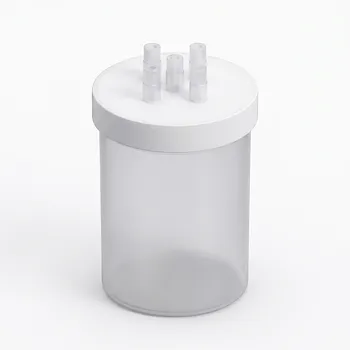
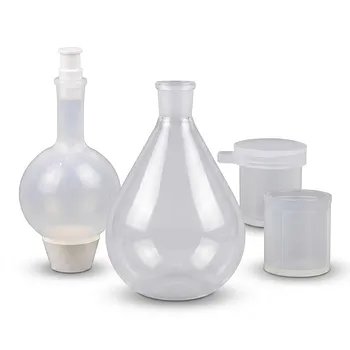
- Custom PTFE Continuous Reaction Bottles Virgin Fluoropolymer High Purity Low Background Synthesis Vessels
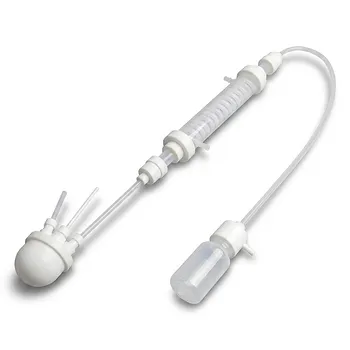
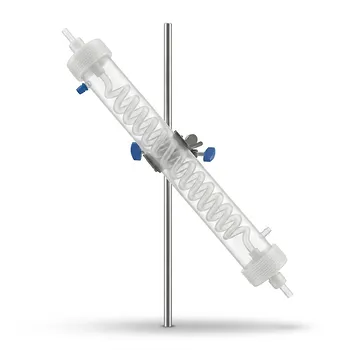
- High Purity PFA Chromatography Column with Collection Bottle Corrosion Resistant Fluoropolymer Filtration System for Trace Analysis
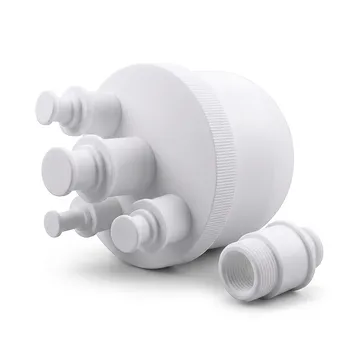
- PFA Reaction Tank 6L Customizable Fittings Corrosion Resistant Solvent Resistant PFA Reaction Bottle for New Material Synthesis
- PFA Chemical Reaction Tank with Customizable Fittings for Corrosive Solvent Synthesis and High Purity Lab Applications
People Also Ask
- Why are PP or PTFE reactors preferred over glass in tribocatalysis? Maximize Charge Separation & Catalytic Efficiency
- What functional advantages do PTFE reactors provide over glass? Achieve Superior Purity and Safety in Synthesis
- What are the primary fabrication methods for capillary-based and monolithic PTFE reactors? Expert Production Insights
- How does PTFE's melting behavior affect custom lab apparatus? Key insights for manufacturing.
- What structural characteristics provide PTFE fluoropolymer laboratory apparatus with high thermal stability? Strong C-F bonds, dense fluorine shielding, and rigid helical conformation ensure stability during high-temperature analysis.