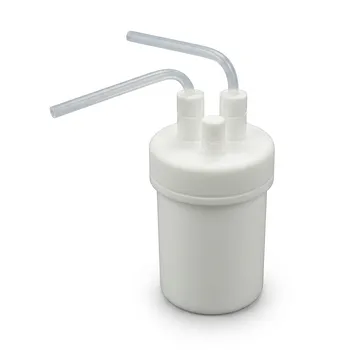
The reaction vessel and steam environment are the essential drivers of the phase transformation from amorphous iron hydroxide to alpha-FeOOH. These components provide the specific thermodynamic window—stable temperature and high pressure—required for a disordered amorphous precursor to overcome energy barriers and rearrange into the highly ordered alpha-phase Goethite crystal lattice.
The conversion to alpha-FeOOH relies on a pressurized steam environment to supply the energy needed for molecular rearrangement. Without the containment of a specialized reaction vessel, the system cannot maintain the precise thermodynamic conditions necessary to ensure phase purity and photocatalytic activity.
The Role of the Reaction Vessel in Maintaining Stability
Ensuring Consistent Thermodynamic States
The vessel serves as a closed system that prevents the loss of thermal energy and steam pressure to the surrounding environment. This stability is vital for the two-hour reaction window required to facilitate complete crystal growth and phase transition.
Managing Pressure for Crystal Growth
By containing the steam, the vessel creates a pressurized environment that allows the amorphous precursor to rearrange its structure. This containment ensures that the transition from a brown, disordered state to a light yellow, crystalline state is uniform throughout the sample.
Steam as the Catalyst for Phase Rearrangement
Overcoming Molecular Energy Barriers
The steam environment provides the necessary thermal energy to break the bonds within the amorphous iron hydroxide. This energy allows the atoms to move from a high-energy, disordered state into a stable, lower-energy alpha-phase configuration.
Promoting the Alpha-Phase Goethite Structure
Direct exposure to steam for the full duration facilitates the gradual growth of the alpha-FeOOH lattice. This specific phase is critical because it determines the final material's purity and its effectiveness in photocatalytic applications.
Understanding the Trade-offs and Constraints
The Impact of Insufficient Exposure Time
Shortening the two-hour steam exposure window typically results in incomplete phase transformation. This leads to a compromised product containing residual amorphous material, which significantly degrades photocatalytic performance.
Risks of Pressure and Temperature Fluctuations
If the reaction vessel fails to maintain a stable environment, the crystal growth process may become erratic. Fluctuations can result in the formation of secondary phases or poor crystallinity, which undermines the phase purity of the Goethite.
How to Apply This to Your Synthesis Process
A successful conversion depends on the precise control of the internal environment to allow for molecular restructuring.
- If your primary focus is maximizing phase purity: Ensure the reaction vessel is rated for sustained pressure to prevent any leaks or drops during the two-hour cycle.
- If your primary focus is optimizing photocatalytic activity: Maintain a constant steam temperature to ensure the amorphous precursor has sufficient energy to reach the stable alpha-phase Goethite structure.
Mastering the balance of pressure and thermal energy within the reaction vessel is the definitive factor in successfully synthesizing high-quality alpha-FeOOH.
Summary Table:
| Component | Role in Synthesis | Impact on alpha-FeOOH |
|---|---|---|
| Reaction Vessel | Maintains closed thermodynamic system | Ensures uniform crystal growth & phase purity |
| Steam Environment | Provides thermal energy for rearrangement | Overcomes energy barriers for alpha-phase lattice |
| 2-Hour Window | Allows complete molecular restructuring | Prevents residual amorphous impurities |
| Pressure Control | Stabilizes the internal environment | Eliminates risks of erratic secondary phases |
Elevate Your Synthesis Precision with KINTEK
Achieving perfect phase purity in materials like alpha-FeOOH requires equipment that can withstand rigorous thermodynamic demands. KINTEK specializes in high-performance fluoropolymer solutions designed for the most challenging laboratory environments.
Whether you require everyday basic labware like beakers, crucibles, and reagent bottles, or advanced apparatus such as hydrothermal synthesis liners, microwave digestion vessels, and custom electrochemical cells, we provide the durability and chemical inertness of PTFE and PFA.
Our capabilities extend from high-purity trace analysis instruments and fluid transfer components (tubing, valves, fittings) to end-to-end custom CNC fabrication for bespoke laboratory setups. We are equipped to deliver everything from complex non-standard machined parts to high-volume consumables, ensuring your research is never limited by your hardware.
Ready to optimize your photocatalytic material synthesis? Contact us today to discover how KINTEK’s absolute focus on high-performance materials can enhance your lab's efficiency and results.
References
- Liliya Frolovа, Tamara Yemelianenko. Study of structural, optical and photocatalytic properties of goethite. DOI: 10.1088/1755-1315/1491/1/012013
This article is also based on technical information from Kintek Knowledge Base .
Related Products
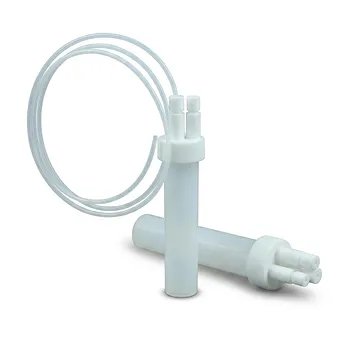
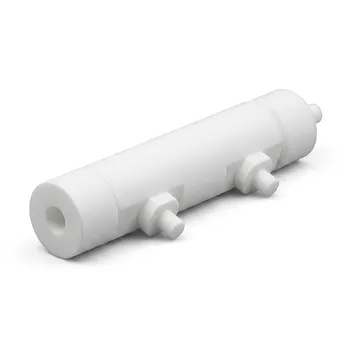
- High Purity Corrosion Resistant PFA Reaction Vessel with PTFE Holder and Integrated Sampling Tube for Trace Analysis
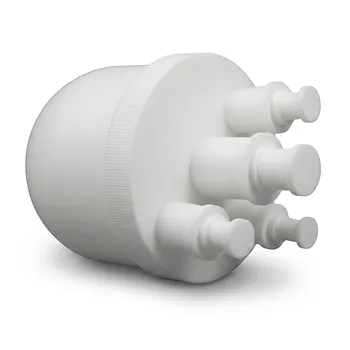
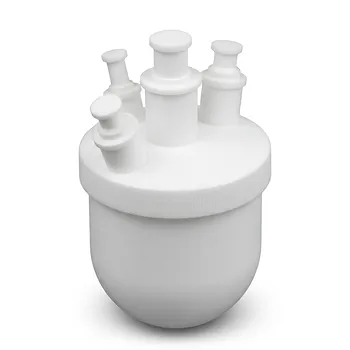
- High Purity PTFE Corrosion Resistant Reaction Vessel with Luer Fittings and Caps for Trace Analysis
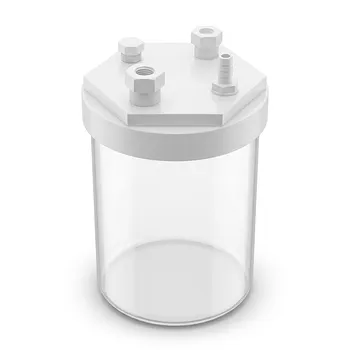
- High Purity PFA Reaction Vessel for Biopharmaceutical Synthesis and Corrosive Chemical Fluid Handling with Customizable Tube Fittings
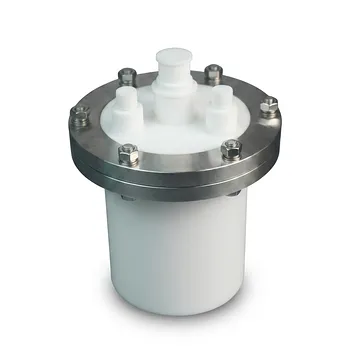
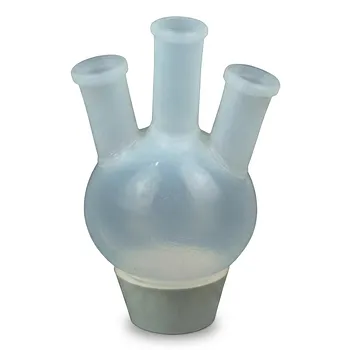
- Custom TFM Reaction Vessel with Stainless Steel Jacket and PTFE Inner Cup for High Corrosion Resistance
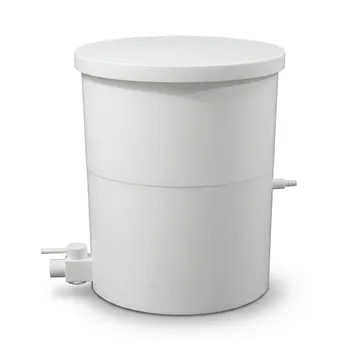
- PTFE 10L Reaction Vessel with Stirring Paddle Customizable Corrosion Resistant High Temperature Reactor for Biopharmaceutical and Chemical Processing
People Also Ask
- Why is the choice of reaction vessel material critical during B-NiBDC synthesis? Optimize MOF Purity & Performance
- How do the material choice and sealing integrity of the reaction vessel affect the growth of NiFe-LDH? Optimize Synthesis
- Why are well-sealed reaction vessels necessary for superacid-promoted Friedel-Crafts polycondensation? Optimize Synthesis
- Role of reaction vessels in alkali treatment for oil palm waste: Achieve High-Purity Cellulose with PTFE Vessels
- What is the role of high chemical inertness reaction vessels in the organic synthesis of acylhydrazone ligands? | Guide