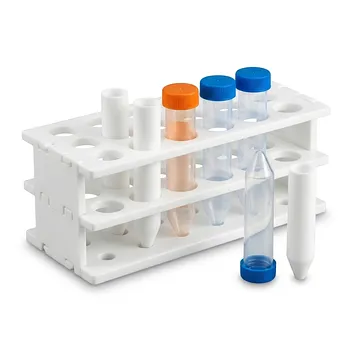
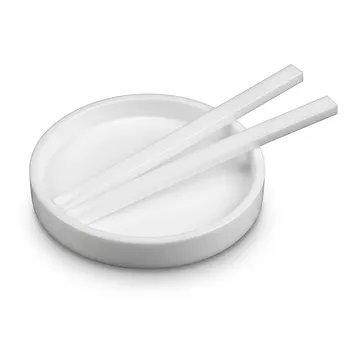
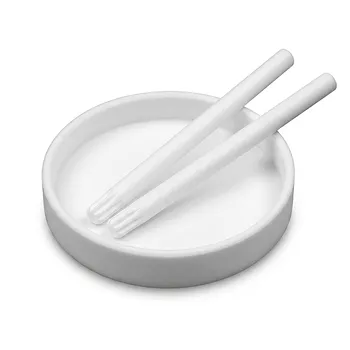
PTFE and PFA are preferred because they combine unusually high temperature resistance with broad chemical inertness. Both can support continuous operating temperatures of up to approximately 260°C while resisting strong acids, bases, oxidants, and organic solvents that can rapidly damage conventional plastics. Their low surface adhesion also reduces contamination, sample loss, and carryover during high-temperature digestion and acid handling.
The central advantage of PTFE and PFA is stability: they are less likely to deform, degrade, leach contaminants, or retain samples when exposed to aggressive chemicals and elevated temperatures.
Why Conventional Plastics Reach Their Limits
Chemical attack accelerates at high temperature
Many engineering plastics perform adequately with mild chemicals at room temperature, but their resistance can decline sharply when exposed to concentrated acids, strong oxidants, or elevated temperatures.
Materials such as nylon, ABS, polyacetal, polypropylene, and PVC may soften, swell, crack, or chemically degrade under demanding digestion conditions. High temperature increases the rate of these reactions and can turn a marginal material choice into a safety or contamination problem.
Degradation threatens both equipment and samples
When a container is attacked by its contents, it can release leachables into the sample or lose mechanical integrity. In trace analysis, even small amounts of released ions or organic residues can interfere with results.
Degradation can also cause stress cracking, leakage, deformation, and premature equipment failure. These risks are particularly serious in sealed microwave digestion vessels and systems handling concentrated reagents.
How PTFE and PFA Protect the Process
Broad chemical inertness
PTFE and PFA provide among the highest levels of chemical resistance available in laboratory polymers. They remain largely unaffected by many strong acids, strong bases, oxidants, and organic solvents across a wide operating range.
This makes them suitable for applications involving aggressive media such as nitric acid, perchloric acid, hydrofluoric acid, and concentrated digestion reagents. Chemical compatibility must still be checked for the exact reagent, concentration, temperature, pressure, and exposure time.
High continuous-use temperature
PTFE and PFA have continuous-use temperature limits of approximately 260°C, giving them a substantial margin for heated digestion and acid-processing applications.
That margin helps prevent softening, deformation, and thermal degradation during processes such as microwave-assisted digestion. By comparison, fluoropolymers such as FEP are generally limited to around 200°C, while several other chemically resistant polymers have lower temperature ceilings.
Low surface adhesion
PTFE and PFA have very low surface energy and friction. Samples are less likely to adhere to vessel walls, tubing, liners, or pipette surfaces.
This improves liquid recovery, reduces residue and carryover, and makes cleaning more reliable. These properties are valuable when the sample contains trace elements or concentrated organic matter that could otherwise remain attached to the container.
Low contamination potential
High-purity PTFE and PFA labware generally contributes very low background contamination compared with materials that contain more extractable additives, fillers, pigments, or metal residues.
This is important in trace elemental analysis. A vessel that does not release interfering ions such as sodium or potassium helps preserve the accuracy and reproducibility of the measurement.
Why PFA and PTFE Are Used in Different Designs
PTFE for maximum chemical and thermal resistance
PTFE is often selected when chemical inertness, temperature resistance, and non-stick behavior are the dominant requirements. It is widely used for liners, vessels, tubing, seals, and heavy-duty laboratory components.
Its main processing limitation is that it is not readily melt-processible using conventional thermoplastic methods. Complex PTFE parts may therefore require specialized manufacturing methods.
PFA for fabricated and transparent components
PFA offers chemical and thermal performance comparable to PTFE while being melt-processible. This makes it practical for molded or fabricated components with more complex geometries.
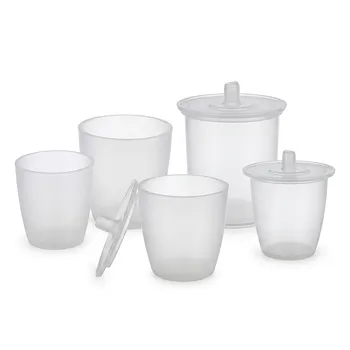
PFA can also provide useful visibility in certain laboratory vessels, allowing operators to inspect liquid levels, residues, or sample behavior. The appropriate choice depends on the required geometry, transparency, mechanical design, and processing method.
Application-specific selection still matters
PTFE and PFA are strong choices for microwave digestion vessels, acid tanks, reagent bottles, digestion tube liners, transfer lines, and trace-analysis components.
However, the material must be matched to the full operating environment. Temperature, pressure, mechanical loading, thermal cycling, reagent composition, and joint design all affect service life.
Understanding the Trade-offs
Mechanical strength is not their primary advantage
Some engineering plastics and other fluoropolymers can provide higher tensile strength or greater rigidity than PTFE and PFA. This can make them preferable for structural parts that do not face extreme chemical or thermal exposure.
PTFE in particular can deform gradually under sustained load, a behavior known as creep. Mechanical supports, wall thickness, and vessel design must account for this characteristic.
Chemical resistance is not absolute under every condition
PTFE and PFA resist an exceptionally broad range of chemicals, but “chemically inert” should not be interpreted as universal immunity under all conditions. Certain highly reactive substances, molten alkali metals, and unusual high-temperature combinations require specific compatibility review.
Sealed digestion also introduces pressure and mechanical risks that chemical compatibility alone cannot resolve. The complete vessel assembly must be rated for the intended process.
Temperature ratings require operating context
A continuous-use rating is not automatically the same as a safe limit for every short-term or pressurized application. Mechanical strength, pressure containment, thermal cycling, and the design of closures may become limiting before the polymer reaches its nominal temperature ceiling.
Manufacturers’ data should therefore be evaluated alongside the actual digestion program and vessel configuration.
Cost and fabrication can be higher
PTFE and PFA generally cost more than conventional plastics and may require specialized fabrication or machining. Their value is strongest when preventing contamination, failure, or sample loss is more important than minimizing initial material cost.
Making the Right Choice for Your Goal
Choose the material based on the harshest combination of chemical, thermal, analytical, and mechanical conditions in the process.
- If your primary focus is high-temperature acid digestion: Select PTFE or PFA for their approximately 260°C continuous-use capability and resistance to aggressive reagents, subject to pressure and vessel-design limits.
- If your primary focus is trace-element accuracy: Use high-purity PTFE or PFA to minimize leaching, adsorption, carryover, and background interference.
- If your primary focus is complete sample recovery: Favor the low-adhesion surfaces of PTFE and PFA, which help transfer digestion liquids and reduce residue.
- If your primary focus is complex molded or transparent labware: Evaluate PFA because it combines fluoropolymer resistance with melt processing and, in suitable designs, improved visual inspection.
- If your primary focus is structural rigidity or lower cost: Consider conventional engineering plastics only after confirming compatibility at the actual reagent concentration, temperature, exposure time, and mechanical load.
For high-temperature chemical digestion and acid handling, PTFE and PFA provide the most dependable balance of thermal endurance, chemical resistance, cleanliness, and sample integrity.
Summary Table:
| Property | PTFE | PFA | Conventional Plastics |
|---|---|---|---|
| Continuous Use Temperature | ~260°C | ~260°C | Typically <150°C |
| Chemical Resistance to Strong Acids/Bases | Excellent | Excellent | Limited; degrades at high temps |
| Low Surface Adhesion / Non-stick | Yes | Yes | Higher adhesion, residue issues |
| Contamination Potential (leachables) | Very Low (high purity grades) | Very Low (high purity grades) | Moderate to High |
| Melt Processability | Poor (requires specialized methods) | Excellent (thermoplastic processing) | Easy (injection molding, etc.) |
Need labware that withstands the harshest digestion and acid-handling conditions? KINTEK offers high-performance PTFE and PFA labware engineered for maximum chemical resistance and thermal stability. From beakers and digestion vessels to custom CNC-machined components, we provide solutions that ensure sample integrity and long service life. Our high-purity materials minimize contamination, and our expertise supports your specific application. Contact us today to discuss your requirements and discover how KINTEK can enhance your lab's efficiency and reliability. Get in touch with our specialists.
Related Products
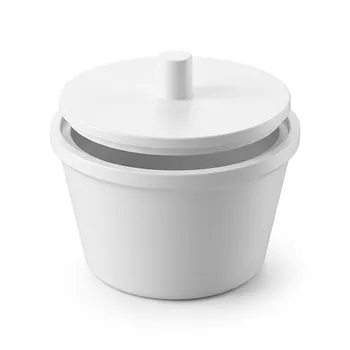
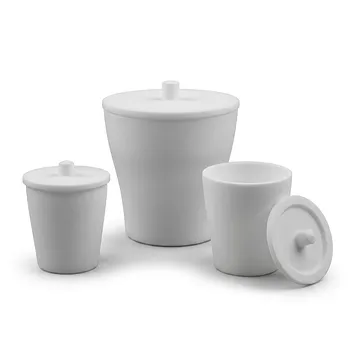
- High Purity PTFE PFA Plastic Crucible for Corrosion Resistant Acid Digestion and Trace Analysis
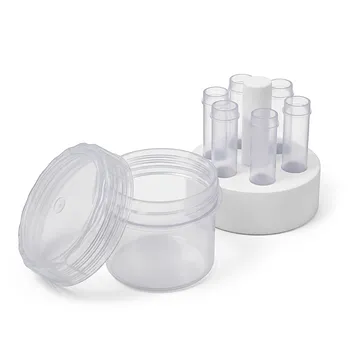
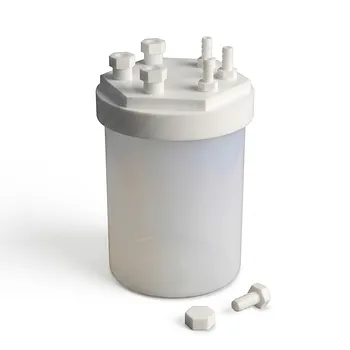
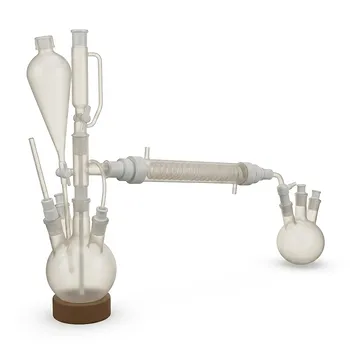
- High Purity Corrosion Resistant PFA Reaction Vessel with PTFE Holder and Integrated Sampling Tube for Trace Analysis
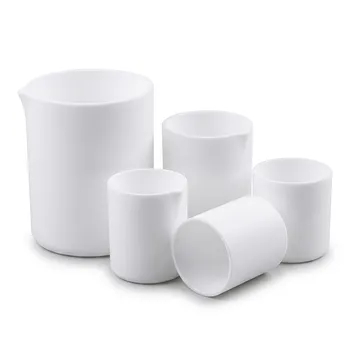
- High Temperature Resistant Thickened PTFE Beaker 2000ml for Chemical Processing and Laboratory Trace Analysis
- High Performance PTFE Microwave Digestion Vessel Replacement Bespoke Fluoropolymer Acid Digestion Tank Intelligent Sample Preparation Labware
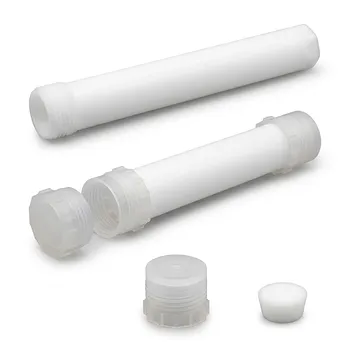
- Corrosion Resistant PTFE Digestion Bottle Solid Liquid Reaction Vessel High Purity Trace Analysis Mineral Labware
People Also Ask
- Why is the use of high-purity PFA or PTFE labware critical during TiO2 nanoparticle purification? Protect Sample Purity
- Why are PTFE or PFA vessels ideal for biomass acid/base treatments? Ensure Purity and Accuracy in Your Research.
- What key material characteristics make PTFE and PFA suitable for high-purity laboratory labware, trace analysis containers, and medical microporous tubing? Discover the essential properties that ensure purity.
- What are the advantages of high-purity PFA or PTFE labware for trace metal analysis? Ensure ICP-MS & AAS Precision
- Why is PFA or PTFE labware critical for Bismuth Ferrite (BFO) stoichiometry? Achieve Stoichiometric Precision